

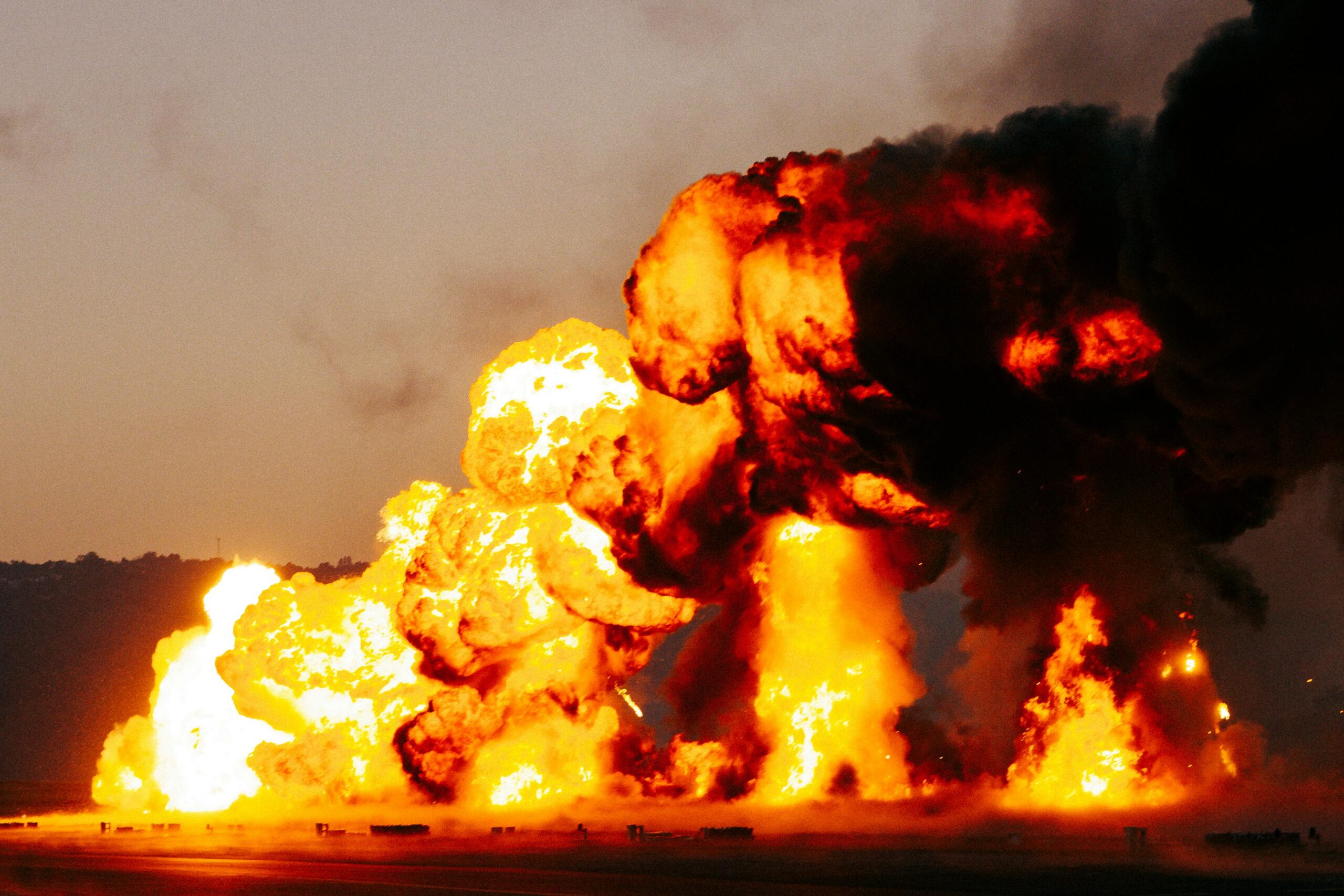
The geopolitical landscape involving US Israel Iran is currently defined by a significant and ongoing escalation of tensions, reflecting a complex and volatile dynamic that demands continuous scrutiny. This intricate triangular relationship is a cornerstone of Middle Eastern stability, and its persistent strain carries profound implications for regional security and global diplomacy. While specific daily incidents contributing to this rise in tension are not always detailed, the overarching trend indicates a sustained increase in friction among these three key players.
Understanding the layers of historical grievances, strategic objectives, and immediate concerns is crucial to comprehending the current state of affairs. This report delves into the enduring complexities, key drivers, and potential ramifications of the escalating tensions between the United States, Israel, and Iran, aiming to provide critical insights into a situation characterized by a continued trajectory of increasing strain.
The Enduring Complexity of US Israel Iran Relations
The relationship between the United States, Israel, and Iran is a tapestry woven with decades of shifting alliances, ideological clashes, and strategic rivalries. For the United States, its policy in the region is multifaceted, balancing its commitment to allies like Israel with broader goals of non-proliferation, counter-terrorism, and maintaining freedom of navigation. Israel views Iran as its primary existential threat, citing its nuclear program, ballistic missile capabilities, and support for regional proxy groups such as Hezbollah and Hamas, which directly challenge Israeli security.
Iran, on the other hand, perceives US and Israeli actions as attempts to undermine its sovereignty and regional influence. It champions an “Axis of Resistance” against what it views as Western hegemony and Israeli aggression, seeking to project power across the Levant and beyond. This confluence of clashing interests and deep-seated mistrust creates an environment where even minor events can trigger disproportionate reactions, contributing to a continuous state of elevated tensions. The current outlook, as observed, is characterized by a sustained increase in these tensions, with no immediate signs of de-escalation, underscoring the delicate balance of power and the ever-present potential for miscalculation.
Understanding the Dynamics of US Israel Iran Relations
The dynamics shaping the relationship between the US Israel Iran axis are multifaceted, driven by a combination of strategic imperatives, security doctrines, and ideological commitments. Each actor operates from a distinct vantage point, leading to a complex interplay of actions and reactions.
- US Interests and Alliances: The United States maintains a strong strategic alliance with Israel, rooted in shared democratic values and mutual security interests. A key component of US policy is preventing Iran from acquiring nuclear weapons, curbing its ballistic missile program, and countering its destabilizing activities across the Middle East. The US also seeks to protect its economic interests, including oil flows, and maintain regional stability to prevent the rise of extremist groups. This involves a robust military presence and diplomatic engagement, often leading to direct confrontation with Iranian interests.
- Israeli Security Doctrine: Israel’s security doctrine is primarily focused on self-preservation in a volatile region. Iran’s stated hostility, its development of advanced weaponry, and its extensive network of proxy forces pose a direct and immediate threat. Israel views a nuclear-armed Iran as an unacceptable existential risk and has historically reserved the right to act unilaterally to prevent such an outcome. This stance often puts it at odds with international diplomatic efforts and can intensify tensions.
- Iranian Strategic Ambitions: Iran’s foreign policy is driven by a desire for regional hegemony, national sovereignty, and resistance against external pressures. Its nuclear program is seen internally as a right and a deterrent, while its support for regional militias is viewed as a means to project influence and counter US and Israeli power. Sanctions imposed by the US and its allies are perceived as economic warfare, hardening Iran’s resolve and pushing it towards strategies that challenge the status quo.
Key Drivers of Persistent Escalation
Several critical factors consistently fuel the escalation of tensions among the US, Israel, and Iran. These drivers are deeply entrenched and often reinforce each other, creating a perpetual cycle of distrust and confrontation.
- Iran’s Nuclear Program: Despite international efforts, Iran’s nuclear ambitions remain a central point of contention. The collapse of the Joint Comprehensive Plan of Action (JCPOA) and Iran’s subsequent acceleration of uranium enrichment have heightened fears in Washington and Jerusalem about its proximity to developing nuclear weapons. This perceived threat compels both the US and Israel to maintain a firm stance, including sanctions and the credible threat of military action, which Iran, in turn, views as aggression.
- Regional Proxy Wars: The Middle East has become a chessboard for the US, Israel, and Iran, with proxy conflicts playing out in Syria, Yemen, Iraq, and Lebanon. Iran’s backing of groups like Hezbollah, the Houthis, and various Iraqi militias allows it to exert influence and challenge US and Israeli interests without direct confrontation. However, these proxy engagements often lead to retaliatory strikes and heightened regional instability, drawing the major powers into a dangerous dance of escalation.
- Economic Sanctions and Counter-Sanctions: The US has utilized a comprehensive sanctions regime to pressure Iran, aiming to cripple its economy and force a change in its behavior. While these sanctions have significantly impacted Iran’s economy, they have also hardened its resolve and fueled anti-Western sentiment. Iran’s responses, such as increasing oil exports despite sanctions or enriching uranium beyond limits, are often seen as provocative acts, further escalating the economic and diplomatic standoff.
- Cyber Warfare and Covert Operations: Beyond conventional military and economic tools, the US, Israel, and Iran are engaged in a shadowy realm of cyber warfare and covert operations. Attacks on critical infrastructure, intelligence gathering, and targeted assassinations add another layer of complexity and risk to the already volatile relationship. These actions, often undeclared, contribute significantly to the atmosphere of mistrust and can trigger unforeseen escalations. For deeper analysis on Middle East dynamics, explore resources from the Council on Foreign Relations.
The Role of Diplomacy and Deterrence
In the face of persistent escalation, both diplomacy and deterrence play critical, albeit often challenging, roles in managing the US Israel Iran dynamic. Diplomatic channels, whether direct or indirect, are intermittently pursued to de-escalate crises, negotiate agreements (such as the JCPOA), or at least maintain lines of communication. However, the deep ideological divides and fundamental disagreements on core issues often render diplomatic breakthroughs difficult and fragile.
Deterrence, primarily through military posturing and credible threats, serves as a crucial mechanism to prevent direct military conflict. The US maintains a significant military presence in the region, signaling its capacity to protect its interests and allies. Israel’s advanced military capabilities and its declared policy of pre-emption act as a deterrent against perceived threats. Iran, in turn, relies on its ballistic missile arsenal, naval capabilities, and regional proxies to deter attacks and project power. The delicate balance between these deterrent forces is constantly tested, and any perceived weakening of one side’s resolve can encourage more aggressive actions from another, perpetuating the cycle of tension.
Implications of Sustained Tensions
The sustained increase in tensions among the US, Israel, and Iran carries far-reaching implications, extending beyond the immediate geographical confines of the Middle East.
- Regional Instability: The most immediate consequence is the heightened risk of a broader regional conflict. Any direct military confrontation between these powers could quickly draw in other regional actors, leading to devastating humanitarian crises, mass displacement, and the collapse of fragile states.
- Global Economy: The Persian Gulf is a vital artery for global energy supplies. Escalation in this region can lead to significant disruptions in oil and gas markets, causing price spikes and impacting global economic stability. Shipping routes, such as the Strait of Hormuz, are also vulnerable, threatening international trade.
- International Diplomacy: The enduring conflict places immense pressure on international bodies and global powers to mediate and de-escalate. The inability to find lasting solutions erodes trust in international institutions and complicates efforts to address other global challenges.
- Risk of Miscalculation: Perhaps the most dangerous implication is the ever-present risk of miscalculation. In an environment of high tension and distrust, an accidental encounter, a misinterpreted intelligence report, or an unintended consequence of an action could rapidly spiral into a full-blown military confrontation that no party truly desires. For official US policy perspectives, refer to the U.S. Department of State’s resources on Iran.
Navigating the Future of US Israel Iran
The current state of affairs, marked by a sustained increase in tensions among the US, Israel, and Iran, underscores the critical need for vigilant monitoring and strategic foresight. As the situation is noted to be in a state of continued elevation of existing strains, the path forward remains fraught with challenges. Diplomacy, while difficult, must remain an option, complemented by credible deterrence to prevent outright conflict. Understanding the red lines and core interests of each party is paramount to navigating this complex terrain.
The global community, too, has a vested interest in de-escalation, given the potential for wider repercussions. While the daily situation reports may not always detail specific incidents, the overarching trend of continued escalation is a stark reminder of the volatility of this relationship. Further monitoring is required to observe any subsequent developments related to this ongoing trend, as the stakes for regional and global stability remain exceptionally high.
In conclusion, the intricate and high-stakes dynamic involving the US Israel Iran remains one of the most pressing geopolitical challenges of our time. The overarching trend of continued escalation, driven by deep-seated historical grievances, clashing strategic objectives, and pervasive mistrust, defines the current environment. As the world watches, the actions and reactions of these three powers will continue to shape the future of the Middle East and beyond, demanding constant vigilance and strategic acumen to prevent further destabilization.