

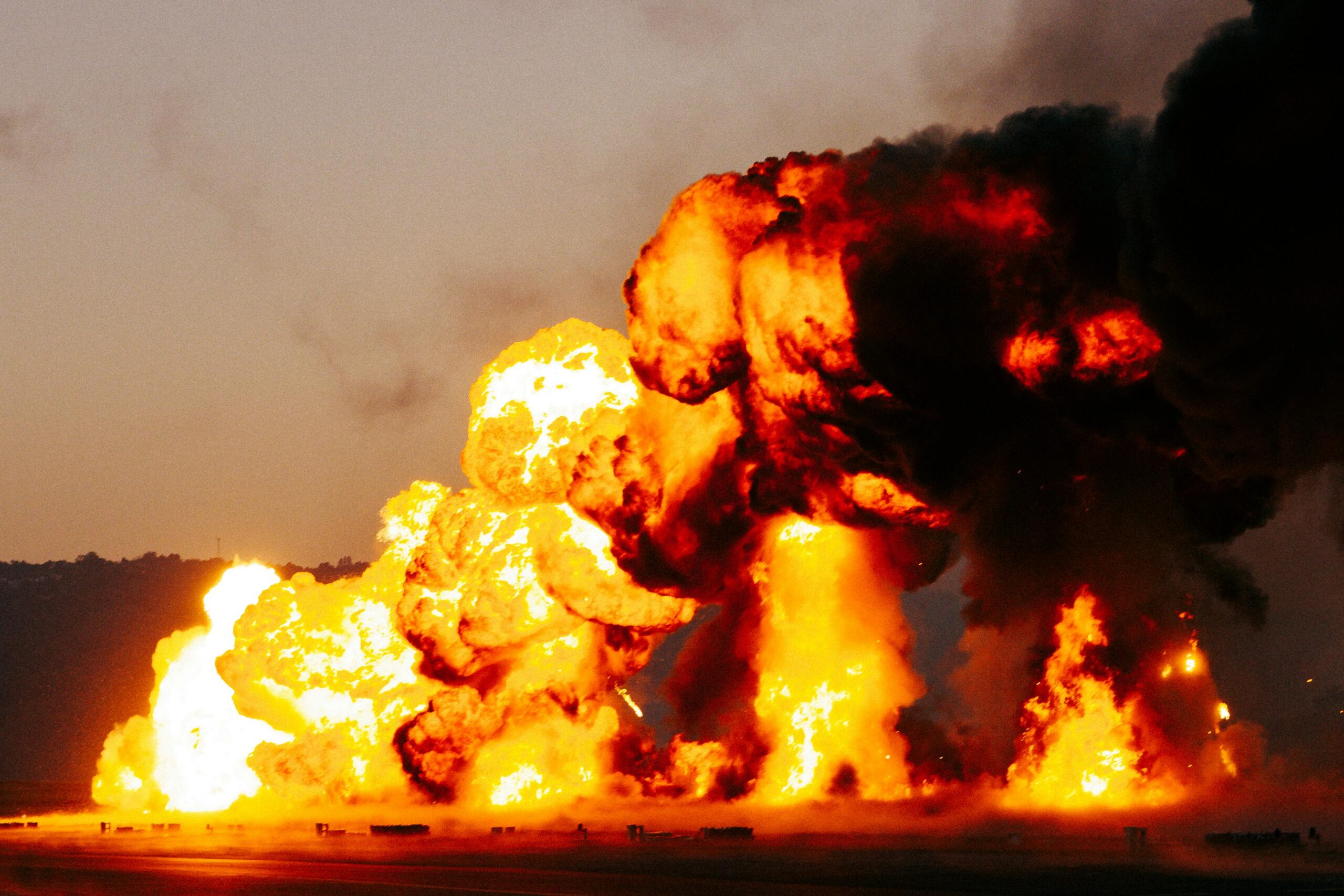
The geopolitical landscape is currently characterized by significant rising tensions between the United States, Israel, and Iran, a dynamic that demands comprehensive analysis and careful monitoring. This complex interplay of regional powers and global interests has profound implications for international stability, economic markets, and the lives of millions. While specific incidents driving these current tensions are dynamic and continuously evolving, the underlying structural issues and historical grievances provide a crucial framework for understanding the persistent state of heightened alert. This report delves into the core elements contributing to this volatile environment, offering critical insights into the historical context, key drivers, and potential future trajectories of this vital geopolitical relationship.
1. Historical Roots of a Complex Relationship
To grasp the current state of rising tensions, one must first appreciate the deep historical roots that have shaped the relationships between these three actors. The U.S. and Iran, once allies, saw their relationship dramatically altered by the 1979 Islamic Revolution, leading to decades of animosity, sanctions, and proxy conflicts. This foundational shift established a narrative of mistrust that continues to influence policy decisions today. Simultaneously, Israel views Iran’s revolutionary ideology and nuclear ambitions as an existential threat, a perception deeply rooted in historical conflicts and regional power struggles. The U.S.-Israel alliance, forged over decades, is a cornerstone of American foreign policy in the Middle East, characterized by shared security interests and strategic cooperation, which often puts it at odds with Iranian objectives. Understanding these intertwined histories is essential for comprehending the current friction points.
Understanding the Dynamics of Rising Tensions
The dynamics are not merely bilateral; they form a triangular relationship where actions by one party invariably influence the others. For instance, U.S. policy towards Iran, whether through sanctions or diplomatic overtures, directly impacts Israel’s security calculations and vice versa. Similarly, Iranian actions, such as support for regional proxies or advancements in its nuclear program, elicit strong reactions from both Washington and Jerusalem. This constant feedback loop means that even minor developments can contribute to the overall increase in **rising tensions**, making de-escalation a monumental challenge. The absence of direct diplomatic channels between some of these nations further exacerbates the potential for miscalculation and misunderstanding, turning minor incidents into major flashpoints.
2. Key Drivers of Persistent Geopolitical Friction
Several enduring issues consistently fuel the friction among the U.S., Israel, and Iran. These drivers are not new but rather fundamental disagreements that perpetuate a cycle of mistrust and confrontation:
- Iran’s Nuclear Program: Despite international agreements, concerns persist regarding Iran’s nuclear ambitions. Both the U.S. and Israel view a nuclear-armed Iran as an unacceptable threat, leading to significant diplomatic pressure, sanctions, and covert operations.
- Regional Proxy Warfare: Iran’s support for various non-state actors across the Middle East (e.g., Hezbollah in Lebanon, Houthi rebels in Yemen, militias in Iraq and Syria) is a primary source of instability. These proxies are often perceived by the U.S. and Israel as tools to project Iranian power and undermine regional security.
- Ballistic Missile Development: Iran’s development and proliferation of ballistic missiles capable of reaching Israel and U.S. assets in the region are a major point of contention, seen as a direct challenge to regional security.
- Maritime Security: The strategic importance of waterways like the Strait of Hormuz, through which a significant portion of the world’s oil supply passes, makes maritime security a constant concern. Incidents involving naval forces or commercial shipping in these areas can rapidly escalate.
- Human Rights and Internal Politics: U.S. and Israeli critiques of Iran’s human rights record and its internal political structure also contribute to the ideological divide and serve as points of diplomatic friction.
3. The Interplay of Regional and Global Security
The **rising tensions** in this specific geopolitical triangle are not isolated but profoundly impact broader regional and global security. The Middle East, already a crucible of complex conflicts, becomes even more volatile when these major powers are at loggerheads. Economic consequences, particularly concerning global oil prices and trade routes, are immediate and far-reaching. Furthermore, the potential for a direct military confrontation, however unlikely, carries catastrophic implications not only for the region but for the international community as a whole. This interconnectedness means that even seemingly localized events can quickly draw in external actors and complicate existing alliances.
4. The Role of Diplomacy and Sanctions
In response to the escalating situation, both diplomatic efforts and economic sanctions have been key tools employed, primarily by the United States, to manage or alter Iran’s behavior. Sanctions aim to pressure Iran’s economy and compel a change in its policies, particularly concerning its nuclear program and regional activities. While sanctions have undeniably impacted Iran’s economy, their effectiveness in achieving desired policy shifts is a subject of ongoing debate. Diplomacy, on the other hand, seeks to find common ground through negotiation, exemplified by past nuclear agreements. The challenge lies in finding a balance between coercive measures and pathways for dialogue that can genuinely de-escalate the **rising tensions** and build trust among adversaries.
For deeper insights into the broader geopolitical landscape of the Middle East and North Africa, the Council on Foreign Relations provides extensive research and analysis on regional dynamics and U.S. policy. Understanding the historical and contemporary challenges is vital for any comprehensive assessment.
5. Potential Consequences of Escalation
The consequences of continued **rising tensions** are severe and multifaceted:
- Economic Disruption: Escalation could lead to significant disruptions in global energy markets, impacting oil prices, trade routes, and overall economic stability worldwide.
- Regional Instability: An increase in direct or proxy conflicts could destabilize neighboring countries, leading to humanitarian crises, refugee flows, and further fragmentation of the region.
- Increased Military Buildup: A heightened threat perception often results in increased military spending and arms races, further entrenching the cycle of mistrust and potential conflict.
- Threat to International Alliances: Disagreements over how to handle the situation could strain existing international alliances and partnerships, complicating global efforts to address other pressing issues.
- Humanitarian Cost: Ultimately, any significant escalation carries an immense human cost, impacting civilian populations caught in the crossfire of geopolitical maneuvering.
6. Pathways Towards De-escalation and Stability
Despite the formidable challenges, pathways towards de-escalation and a more stable environment do exist. These typically involve a combination of sustained diplomatic engagement, confidence-building measures, and clear communication channels. Multilateral diplomacy, involving other global powers and regional stakeholders, can provide a more robust framework for addressing complex issues like nuclear proliferation and regional security. Incremental steps, such as prisoner exchanges or limited agreements on specific issues, can gradually build trust and create momentum for broader negotiations. The international community has a significant role to play in facilitating dialogue and upholding international law to prevent further escalation.
For further perspectives on global security and international affairs, Chatham House offers valuable research and policy recommendations concerning critical regions like the Middle East.
7. The Imperative of Continuous Monitoring and Strategic Foresight
Given the volatile nature of the U.S.-Israel-Iran dynamic, continuous monitoring and strategic foresight are not merely advisable but absolutely imperative. The absence of specific current incidents in recent reports does not diminish the underlying gravity of the situation; rather, it underscores the need for constant vigilance against the backdrop of generally **rising tensions**. Policy decisions must be informed by a nuanced understanding of historical context, current drivers, and potential ripple effects. Proactive diplomacy, robust intelligence gathering, and flexible policy responses are crucial to navigate this complex landscape and mitigate the risks of further escalation. The future stability of the Middle East, and indeed global security, hinges on the careful management of these intricate relationships.
This report has highlighted the persistent nature of **rising tensions** among the United States, Israel, and Iran, emphasizing the critical need for continued analysis and strategic engagement. The intricate web of historical grievances, ideological differences, and security concerns creates a perpetually challenging environment. As the geopolitical landscape continues to evolve, understanding these dynamics remains paramount for policymakers and observers alike. For more in-depth analyses and situation reports, you can Explore The Vantage Reports.