

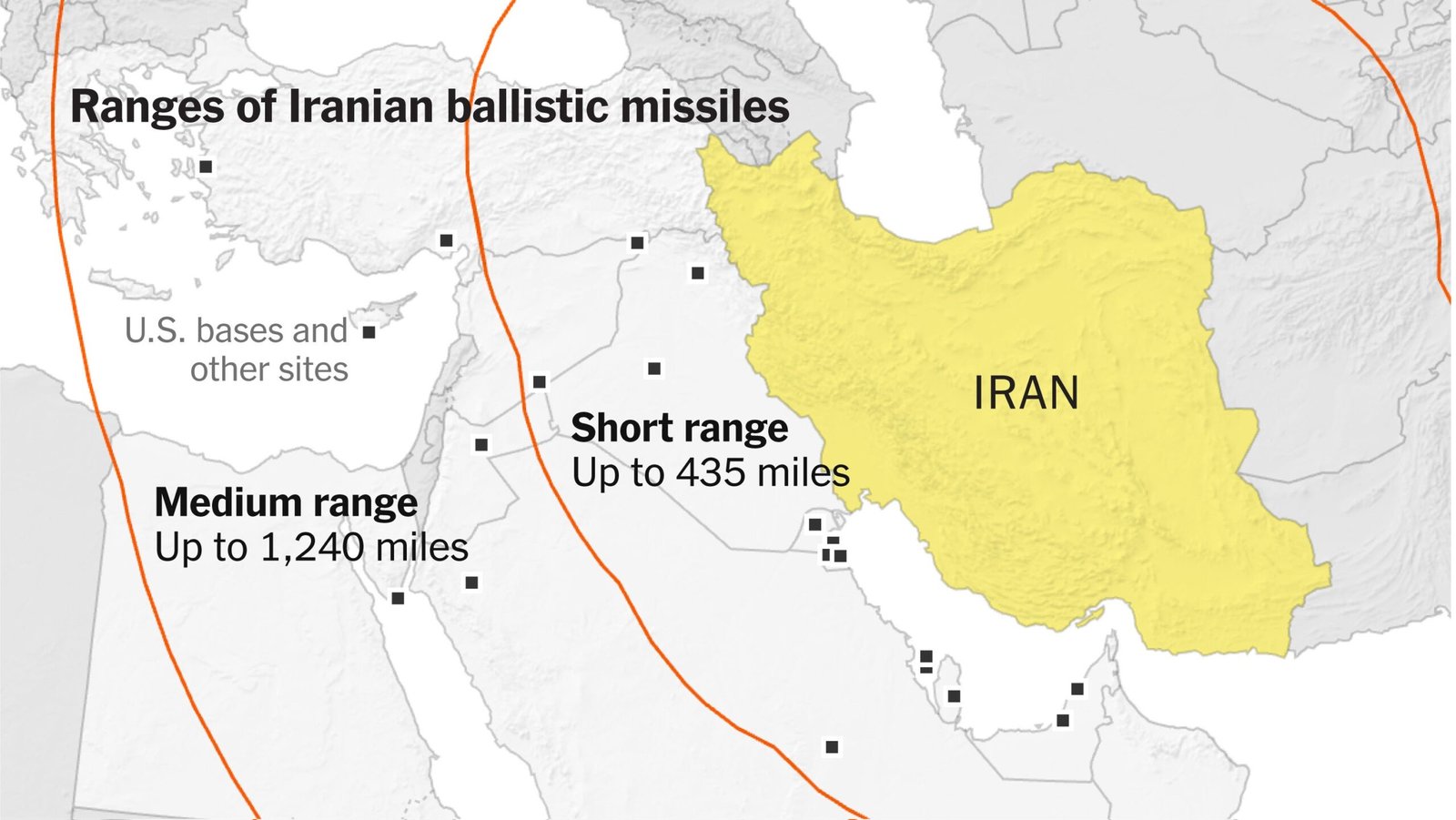
The “US-Israel Iran War” dominates global headlines. News outlets track every development closely. This conflict poses significant geopolitical challenges.
This report examines the latest intelligence. It analyzes broad implications. Understanding its complexities is crucial for vigilance.
We synthesize current reports. Our goal is to offer a clear perspective on this escalating crisis.
US-Israel Iran War: Escalating Tensions, Global Impact
Major news outlets provide continuous updates. BBC News offers expert analysis. Reports come directly from the ground.
Verified videos enhance public understanding. Al Jazeera also focuses on immediate developments. They provide fact-based news, including exclusive footage and updated maps.
This comprehensive coverage highlights the conflict’s intensity. Journalists worldwide report on the unfolding events. They capture the human and strategic dimensions. The global community watches closely.
NewsNow reports Iran faces its “deepest crisis.” This crisis began on February 28, 2026. It marks a pivotal moment since 1979.
The situation involves multiple critical issues. It threatens regional and global stability.
“US-Israeli attacks” are a central concern. These actions escalate military tensions. The “Khamenei killing” adds to instability, with profound political ramifications.
The IRGC’s (Islamic Revolutionary Guard Corps) role remains under scrutiny. Their actions influence the conflict’s trajectory directly.
Iran’s nuclear program is also a major factor. It presents a significant proliferation risk. These elements collectively fuel the conflict, creating a volatile environment.
Iran’s Internal Upheaval and Societal Impact
Domestically, Iran experiences severe unrest. Widespread “protests” challenge the government. Citizens demand change, reflecting deep societal frustrations.
An “internet blackout” restricts communication. This limits information flow significantly. It prevents citizens from organizing effectively and hinders external monitoring.
Sanctions further cripple the economy. They exacerbate existing hardships. The Iranian populace bears the brunt, severely impacting daily lives.
Basic necessities become scarce, and economic stability remains elusive. Consequently, discussions about “regime change” are prevalent.
These conversations reflect growing internal dissent. The internal situation is highly volatile. It adds immense complexity to the external conflict.
The Iranian government struggles to maintain control. International scrutiny intensifies. Human rights organizations express deep concerns.
The internal crisis mirrors external pressures. This creates a challenging environment, impacting both governance and public order.
The regime faces unprecedented challenges. Its legitimacy is increasingly questioned.
Global Economic Repercussions of the US-Israel Iran War
The “US-Israel war on Iran” has far-reaching global effects. Economic impacts are particularly stark. “Global energy prices have soared.”
This directly affects consumers worldwide. Increased oil and gas costs ripple through economies. Transportation becomes more expensive.
Manufacturing costs rise significantly, impacting overall economic stability.
Furthermore, the conflict compounds existing challenges. Russia’s ongoing war on Ukraine already strained energy markets.
These combined crises drive up energy costs. Al Jazeera specifically highlights this surge. The dual conflicts create a perfect storm.
Energy security becomes a primary concern for nations. Supply chain disruptions also intensify.
Businesses face higher operational costs, potentially leading to reduced profits. Consumers see increased prices at the pump; food prices also climb.
The global economy feels these ripple effects. Inflationary pressures mount globally. Stability remains a distant prospect.
International trade routes are also under threat, impacting global commerce significantly. Economic forecasts remain uncertain.
The Intersection: Investing, National Security, and Your Future
This conflict profoundly impacts global markets. Investors must understand the volatility. Energy sector investments see rapid shifts.
Geopolitical risks now directly influence portfolios. Oil futures fluctuate wildly. Defense stocks may see gains.
However, broader market stability diminishes. Investors need robust risk assessment strategies. Understanding Geopolitical Risk Factors is paramount.
National security concerns are paramount. Regional stability is severely threatened. Alliances are tested under pressure.
New geopolitical alignments may emerge. Cybersecurity threats also escalate. State-sponsored attacks become more frequent.
Nations must enhance their digital defenses. The potential for broader conflict looms, necessitating increased military readiness.
This situation affects your future directly. Supply chains face disruption. Inflationary pressures mount.
Resource allocation shifts globally. Governments prioritize security over other sectors. Citizens must prepare for economic shifts.
Understanding these dynamics is crucial. The Future of Global Energy Markets outlines these challenges. Your long-term financial planning should account for these geopolitical realities.
The “US-Israel Iran War” presents a complex scenario. It demands constant vigilance. Global leaders seek resolution as the world watches for further developments.
Stay informed with The Vantage Reports. Download our Quantum Readiness Checklist today. Gain insights into future challenges.
Tags: #USIsraelIranWar, #GeopoliticalCrisis, #GlobalMarkets, #EnergySecurity, #IranUnrest