

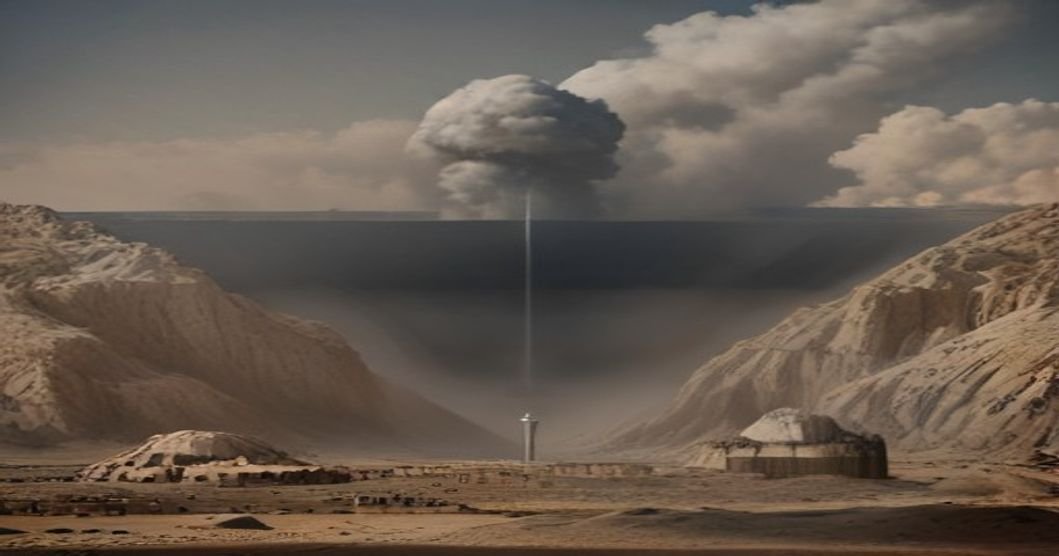
Geopolitical strain persists. Tensions involving the United States, Israel, and Iran continue their upward trend. The regional climate remains charged. This friction defines the relationship between these three nations.
A persistent state of heightened sensitivity is evident. Interactions between the US, Israel, and Iran reflect increased strain. This sustained elevation of tensions indicates enduring geopolitical unease. It concerns critical global actors.
Understanding the Escalation Dynamics
The current dynamic reflects sustained pressure. This pressure impacts diplomatic channels. It also affects security postures. The continuous rise in tensions suggests underlying strategic disagreements. These disagreements fuel a complex regional rivalry.
Each actor perceives distinct threats. These perceptions drive their foreign policies. The US prioritizes regional stability and allied security. Israel focuses on its existential security concerns. Iran aims to project its influence.
Conflicting objectives often clash. They create a volatile environment. The absence of new incidents does not mean stagnation. Instead, it highlights a simmering state. This state is constantly on the brink of wider escalation.
Historical Context of the Strain
The relationship between the US, Israel, and Iran has a long history. It is marked by periods of cooperation and profound hostility. After the 1979 Iranian Revolution, US-Iran ties fractured. This created a new geopolitical alignment.
Israel has consistently viewed Iran as a primary threat. This threat stems from Iran’s nuclear program and regional proxy networks. The US has often supported Israel’s security concerns. It also seeks to contain Iranian influence.
Current rising tensions build upon decades of mistrust. They also reflect past confrontations. Understanding this historical backdrop is crucial. It helps interpret the ongoing geopolitical strain. This strain defines the regional security landscape.
The Intersection with National Security
The continuous rise in tensions between the US, Israel, and Iran profoundly impacts national security. This impact extends far beyond the immediate region. It creates global ripple effects. Miscalculations become more probable.
Regional stability is directly threatened. Any direct confrontation could destabilize critical energy routes. It could also disrupt global trade. This poses a significant economic and security risk.
The proliferation risk increases. As tensions mount, nations may feel compelled to enhance their defense capabilities. This includes potentially pursuing advanced weaponry. Such a scenario could trigger an arms race.
Cyber warfare becomes a greater concern. State-sponsored cyber attacks can disrupt critical infrastructure. They can also sow discord. This new dimension adds complexity to national defense strategies.
Intelligence agencies remain on high alert. They monitor every development. Preventing escalation is paramount. Protecting national interests requires constant vigilance. It demands sophisticated diplomatic efforts.
Economic Repercussions of Persistent Tensions
Sustained geopolitical friction carries significant economic costs. Global oil prices react sensitively to regional instability. Increased tensions often lead to price volatility. This impacts consumers and industries worldwide.
Investment in the region can decline. Businesses become wary of instability. This uncertainty deters foreign direct investment. It hampers economic growth for all involved parties.
Sanctions, a common tool in such standoffs, have broad effects. They can cripple national economies. They also disrupt international supply chains. These measures often have unintended global consequences.
Economic stability is inextricably linked to geopolitical calm. The current upward trend in tensions signals potential future economic headwinds. Policymakers must consider these broader implications. They must weigh them against immediate strategic goals.
Strategic Perspectives of Key Actors
Each nation approaches ongoing tensions with specific strategic objectives. The United States seeks to maintain its influence. It aims to protect its allies. It also works to prevent nuclear proliferation in the Middle East.
Israel’s primary concern remains its security. It views Iran’s regional actions and nuclear ambitions as existential threats. Israel often advocates for robust counter-measures. It seeks to deter Iranian aggression.
Iran, conversely, aims to assert its regional power. It seeks to challenge perceived Western dominance. Its support for various non-state actors serves this broader strategic goal. These actions often directly conflict with US and Israeli interests.
The interplay of these divergent strategies fuels the current environment. It contributes to rising tensions. Understanding these core motivations is essential. It helps anticipate future developments. For more analysis, explore our geopolitical risk assessments.
The Role of International Diplomacy
In periods of rising tension, diplomacy plays a critical, yet challenging, role. International efforts focus on de-escalation. They seek to open lines of communication. This aims to prevent direct conflict.
Deep-seated mistrust can hinder diplomatic progress. Each side views concessions differently. They often see them as signs of weakness. This makes finding common ground incredibly difficult.
Third-party mediation can offer a path forward. Neutral actors can facilitate dialogue. They can also propose compromise solutions. Such interventions are crucial in preventing further escalation.
Sustained diplomatic engagement is vital. It provides an avenue for resolving disputes. It can also manage expectations. Without it, the risk of miscalculation increases significantly.
Future Outlook and Vigilance
Tensions between the US, Israel, and Iran are continuing their upward trend. This sustained elevation demands ongoing vigilance. It requires careful monitoring.
No new incidents have been reported today. However, the overarching observation remains. The geopolitical landscape is increasingly volatile. This necessitates proactive risk management.
Policymakers must navigate this complex environment with caution. They must prioritize de-escalation. They must also protect national interests. The path forward requires strategic foresight.
The Vantage Reports will continue to provide timely analysis. We will monitor these critical developments. Our aim is to offer clarity and actionable intelligence.
Stay informed about global security challenges. Download our exclusive “Global Threat Matrix Checklist” today. It assesses emerging risks. This valuable resource is available for subscribers. Subscribe now to gain access and receive our latest insights. You can also review our analysis on Middle East Dynamics.