

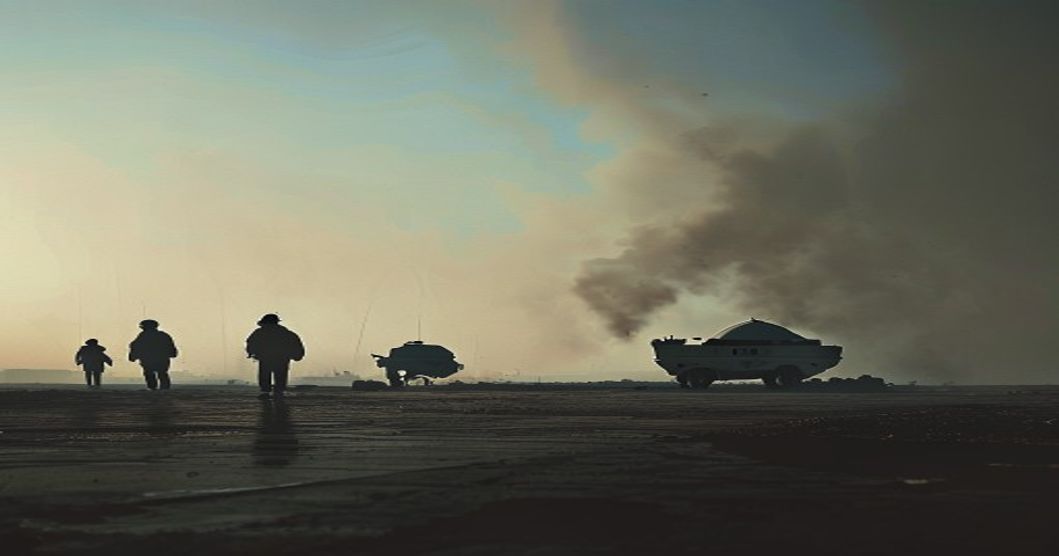
The geopolitical landscape involving the US Israel Iran nexus remains acutely volatile. Intelligence indicates a continued escalation of tensions. A sustained state of heightened geopolitical strain persists among these key actors. This dynamic demands constant monitoring and critical assessment.
The complex relationship between these three nations drives significant regional instability. Iran’s nuclear ambitions remain a core concern. Both the U.S. and Israel view these ambitions with alarm.
Iran’s regional proxy networks fuel ongoing conflicts. This creates a deeply intertwined security dilemma.
The Enduring Geopolitical Nexus
The inherent tension points between the US, Israel, and Iran are deeply rooted. Iran’s revolutionary ideology often clashes with the existing regional order. The United States and Israel largely uphold this status quo. This fundamental divergence creates persistent friction.
Proxy warfare is now a constant feature of this dynamic. Iran seeks to project its influence across the Middle East. It views U.S. and Israeli actions as hostile. Washington and Jerusalem perceive Iran’s expansionism as a direct threat. This cycle of mistrust perpetuates the current heightened state.
Understanding these foundational elements is crucial.
Iran’s Strategic Calculus
Iran’s strategic objectives are multifaceted. Its nuclear program represents a key national interest. Tehran consistently asserts peaceful intentions. However, many international observers remain skeptical.
Concerns about weaponization persist. This program significantly influences regional security calculations. Iran also cultivates a network of regional allies and proxy groups. These include Hezbollah in Lebanon and various militias in Iraq and Syria. These groups extend Iran’s reach. They challenge rival powers.
Iran’s development of ballistic missiles further complicates the security environment. This capability enhances its deterrent posture.
Israel’s Security Imperatives
Israel operates within a highly contested region. Its security doctrines prioritize preemptive action. This stance addresses perceived existential threats.
Iran’s nuclear program and missile capabilities are major worries. Tehran’s support for groups like Hezbollah and Hamas directly impacts Israeli security. Jerusalem maintains its qualitative military edge. It views this as non-negotiable. Israel often acts unilaterally. These actions aim to protect its interests.
Such operations frequently target Iranian assets or proxies. This contributes to sustained tension.
The United States’ Balancing Act
The United States maintains a significant presence in the Middle East. Its foreign policy balances regional stability with strategic alliances. Support for Israel forms a cornerstone of U.S. policy.
Efforts to contain Iran’s influence persist. Washington navigates complex diplomatic and military challenges. The U.S. employs various tools. Sanctions against Iran are a primary example. These aim to curb its nuclear program and regional activities. Military deployments in the Gulf region serve as a deterrent.
These actions underscore America’s commitment to its allies. They reinforce its strategic objectives.
The Intersection: National Security at Stake
The escalating US Israel Iran tensions directly impact global national security. Cyber warfare capabilities pose a growing concern. State-sponsored attacks can target critical infrastructure.
Disruptions to global oil supplies could trigger economic crises worldwide. The Strait of Hormuz remains a vital chokepoint. The proliferation of advanced weaponry destabilizes entire regions. This includes ballistic missiles and drone technology.
Monitoring these dynamics is crucial for global stability. Nations worldwide prepare for potential spillover effects. International cooperation becomes increasingly vital.
Economic Repercussions and Global Markets
A sustained rise in tensions carries significant economic weight. Global energy markets react sensitively to any perceived instability. Oil prices can surge rapidly. This impacts economies worldwide.
Shipping lanes in the Persian Gulf also face increased risks. Disruptions could impede global trade flows. Investment in the region becomes riskier. Businesses may withdraw or postpone ventures. This stifles economic growth.
The humanitarian cost of instability also mounts. The economic repercussions are far-reaching. They touch every corner of the global economy.
Humanitarian and Regional Stability Concerns
The ongoing geopolitical strain exacerbates humanitarian crises. Proxy conflicts displace millions across Syria, Yemen, and Lebanon. Civilian populations bear the brunt of these prolonged struggles.
Access to essential services becomes severely limited. This creates immense suffering. Regional stability remains elusive. Neighboring countries grapple with refugee flows and economic hardship. The political landscape shifts constantly.
This makes long-term planning incredibly difficult. The human element of these tensions cannot be overstated.
Pathways Amidst Persistent Tensions
De-escalation pathways remain elusive. Diplomatic efforts often face significant hurdles. Deep-seated mistrust complicates negotiations. The risk of miscalculation is ever-present. Any misstep could trigger a wider conflict.
Each actor holds firm to its strategic objectives. Predicting future developments is inherently difficult. Constant vigilance and adaptive strategies are essential. International diplomacy must continue to seek common ground. This aims to prevent further escalation.
Stay informed about critical geopolitical shifts. Access our exclusive analyses to prepare for future challenges.
For deeper insights, explore our related analyses on Middle East Security Dynamics and Iran’s Nuclear Program. You can also read about U.S. Foreign Policy Shifts.
Ongoing, heightened tensions between the US, Israel, and Iran continue to shape regional and global security. The Vantage Reports monitors these critical geopolitical forces closely. Staying informed is paramount.