

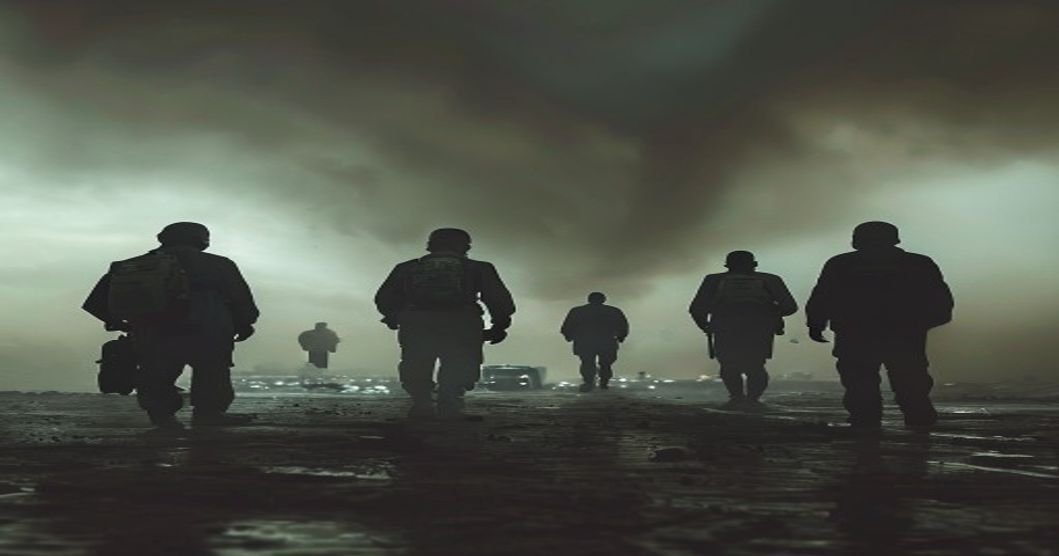
Understanding the complex dynamics between the US Iran Israel axis is critical. These relationships define much of the geopolitical landscape. Ongoing tensions in the Middle East demand our attention. We observe a delicate balance of power and influence.
This report dissects the historical roots and current flashpoints. We examine the roles of each nation. Furthermore, we explore the broader implications for global stability.
Historical Roots of US-Iran Relations
The relationship between the United States and Iran has seen dramatic shifts. Initially, strong ties existed before 1979. The Iranian Revolution fundamentally altered this dynamic. It marked a period of profound mistrust and confrontation.
The US imposed sanctions following the hostage crisis. These measures aimed to curb Iran’s regional influence. Consequently, Iran pursued its own strategic objectives. This included developing its nuclear program.
Various administrations have attempted engagement. However, deep-seated animosities persist. We recognize the long shadow cast by past events. This shapes current policy decisions significantly.
Iran and Israel: A Deep-Seated Antagonism
Iran and Israel share a deeply adversarial relationship. Israel views Iran’s nuclear ambitions as an existential threat. Iran, in turn, does not recognize Israel’s right to exist. This fuels continuous regional instability.
Iran supports various non-state actors. These groups often operate near Israel’s borders. Examples include Hezbollah in Lebanon and Hamas in Gaza. Israel perceives these actions as direct provocations.
We observe frequent shadow wars and cyber attacks. Both nations engage in intelligence operations. Therefore, the risk of direct conflict remains elevated. This constant tension impacts regional security.
The US-Israel Alliance: A Cornerstone of Policy
The United States maintains a robust alliance with Israel. This partnership is a cornerstone of US foreign policy. It provides significant military and economic aid to Israel. This support aims to ensure Israel’s security.
The alliance often aligns US and Israeli interests. Both nations seek to counter Iranian aggression. They also work to prevent nuclear proliferation. However, policy differences occasionally emerge.
The US commitment to Israel is unwavering. This commitment often influences US actions in the broader Middle East. Consequently, it directly impacts the dynamics with Iran.
Current Dynamics and Flashpoints
Today’s Middle East is a volatile region. We observe numerous flashpoints involving US Iran Israel interests. The ongoing conflict in Gaza exemplifies this complexity. It draws in regional and global actors.
Iran’s proxy network remains active. These groups launch attacks on US interests and Israeli targets. The US responds with targeted strikes. This creates a cycle of escalation and retaliation.
Nuclear negotiations also remain a critical factor. Efforts to revive the JCPOA have stalled. Iran continues to enrich uranium. This raises international concerns about its intentions.
Regional normalization efforts face challenges. The Abraham Accords sought to reconfigure alliances. However, recent events have complicated these advancements. The path forward remains uncertain.
The Intersection: Investing, National Security, and Daily Health
Geopolitical tensions, particularly involving US Iran Israel, profoundly impact our lives. These events resonate far beyond diplomatic circles. They touch crucial aspects like investing, national security, and even daily health.
Investing: Market Volatility and Energy Prices
Market volatility is a direct consequence. Investors often react to geopolitical instability. Energy markets are particularly sensitive. Oil prices can surge with any threat to supply routes.
Defense stocks might see gains. However, broader market indices often decline. We advise investors to diversify portfolios. Understanding these risks is crucial for informed decisions.
National Security: Cyber Threats and Global Supply Chains
National security faces multiple threats. Cyber warfare intensifies during periods of tension. Critical infrastructure becomes a target. We must enhance our digital defenses.
Global supply chains are also vulnerable. Disruptions in key regions impact manufacturing. This affects everything from electronics to consumer goods. Resilient supply networks are essential.
Daily Health: Mental Stress and Resource Allocation
Daily health can even suffer. Constant news of conflict creates mental stress. Anxiety levels often rise in uncertain times. We encourage healthy coping mechanisms.
Furthermore, resource allocation shifts. Governments prioritize defense spending. This can divert funds from public health initiatives. Therefore, geopolitical stability benefits everyone.
Navigating Future Scenarios
Predicting the future of US Iran Israel relations is challenging. Several scenarios could unfold. Diplomacy remains a key pathway. However, trust is severely eroded.
Escalation is a constant risk. Miscalculation could trigger broader conflict. We monitor all developments closely. De-escalation efforts are paramount.
Regional realignments might also occur. New alliances could emerge. These shifts would redefine Middle East power dynamics. The situation demands careful observation.
The international community plays a vital role. Collective efforts can promote stability. Sanctions, diplomacy, and deterrence all have their place. We advocate for a multi-faceted approach.
Conclusion: A Continuous Vantage Point
The intricate relationships between the US, Iran, and Israel remain central to global security. We must stay informed about these evolving dynamics. Understanding the historical context is vital. Analyzing current events helps us anticipate future challenges.
The Vantage Reports offers continuous analysis. We provide actionable intelligence on critical global issues. Stay ahead of the curve with our expert insights.
For deeper dives into regional stability, explore our related articles:
- Understanding Global Energy Markets Amid Geopolitical Shifts
- The Future of Cyber Warfare: Protecting Critical Infrastructure
- Middle East Diplomacy: Challenges and Opportunities
Unlock exclusive insights into geopolitical trends. Download our “Quantum Readiness Checklist” today. Prepare for tomorrow’s challenges with The Vantage Reports.