

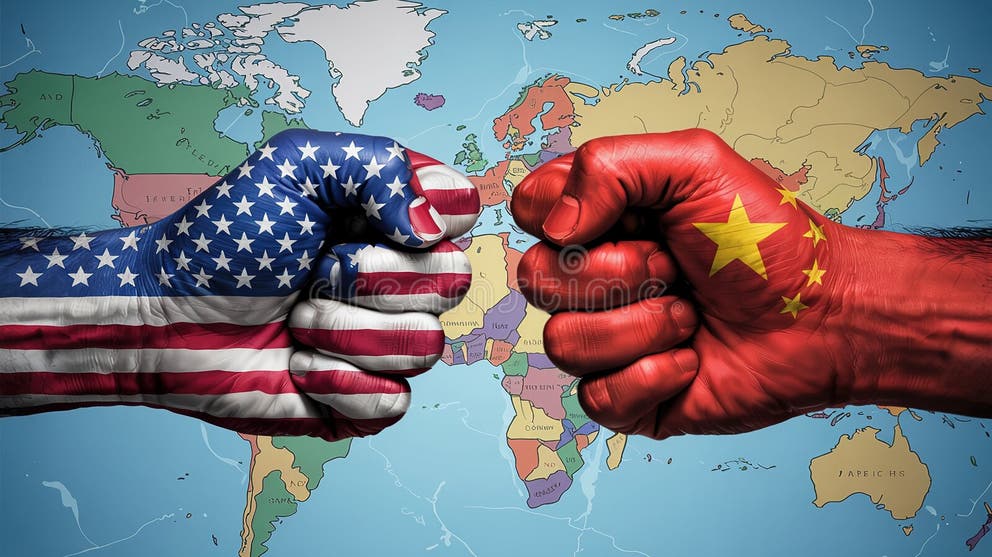
Resource Enclaves: A New Geopolitical Era
The global economy is fundamentally changing. International financial trust has declined sharply. Supply chains are catastrophically fragmented.
Nations now prioritize tangible, militarily secured control over physical commodities. This marks a profound shift. We are entering an era defined by Resource Enclaves.
These enclaves represent a significant departure. They move away from abstract economic metrics. Instead, they focus on physical realities. National survival and prosperity depend on this control. This new architecture reshapes global power dynamics.
Why Resource Enclaves Emerge
Decades of globalization created complex financial webs. These systems relied on assumed stability and market efficiency. However, recent shocks exposed their fragility. Pandemic disruptions, geopolitical conflicts, and sovereign debt crises shattered confidence.
The speculative nature of global finance became clear. Extended supply chains proved vulnerable. Nations now see reliance on abstract indicators as dangerous.
GDP growth and currency valuations detach from physical needs. This loss of trust drives a re-localization imperative. National security now directly equals self-sufficiency.
Furthermore, direct control over critical resources is paramount. Governments secure these resources actively. They prioritize domestic production and supply. This ensures resilience against external pressures. The era of unchecked global interdependence is ending.
Understanding Resource Enclaves
States respond to instability by creating Resource Enclaves. These are not mere economic zones. They are strategically delimited territories or alliances. Their design supports localized, resource-for-resource trade. Military might secures them.
The core principle involves barter-like systems. Tangible commodities exchange directly. This includes energy, food, rare earth minerals, and industrial components.
They bypass volatile global currencies. Vulnerable international markets are avoided.
The “militarily secured” aspect is crucial. These enclaves are protected. They guard against external interference, piracy, or disruption. This ensures uninterrupted access and guarantees the exchange of vital goods.
Security extends to production facilities. It safeguards critical infrastructure within the enclave. This preserves the integrity of localized production loops.
Core Characteristics of Resource Enclaves
Resource Enclaves exhibit distinct features. These define their operation and impact.
Direct Commodity Exchange: Trade within enclaves prioritizes physical goods. It minimizes reliance on fluctuating currencies. Complex financial instruments are less critical.
Localized Production Loops: Enclaves emphasize integrated production cycles. They reduce dependence on distant supply chains. This fosters regional self-reliance for critical components. Finished goods are also produced locally.
Military Securitization: Robust military protection underpins all enclave aspects. This covers resource extraction, processing, and trade routes. It also includes border security.
This directly responds to threats to resource access. It also safeguards economic sovereignty.
Geopolitical Alignment: Enclaves often form along shared strategic interests. Geographic proximity also plays a role. This creates new regional power blocs.
These blocs center on resource control. Traditional ideological alliances become less important.
Abandonment of Neoliberal Dogma: This marks a deliberate shift. Enclaves move away from free-market fundamentalism. They embrace protectionist policies. State-controlled resource management ensures national resilience.
Resource Enclaves’ Impact on Geopolitics
The rise of Resource Enclaves reshapes global power. Influence no longer stems solely from economic output. Financial market dominance is less critical.
Instead, a nation’s direct control over commodities matters. Its ability to secure localized production loops is key.
States with abundant resources gain leverage. Military capacity to secure these resources is vital. This includes associated trade networks. This shift will likely lead to several outcomes.
Increased Resource Nationalism: States will exert greater control. They may nationalize industries. Strict export controls are possible. This secures domestic supply. Learn more about supply chain vulnerabilities here.
Regional Bloc Formation: New alliances will solidify. They will center on resource sharing. Mutual defense of trade enclaves is crucial.
This creates a multi-polar world. Self-sufficient economic fortresses define it. Explore future geopolitical alliances.
Militarization of Trade: Economic policy and military strategy will blur. Securing resource access becomes a primary defense function. Protecting trade routes is equally important. This represents a fundamental change in national defense.
Diminished Influence of Global Institutions: Organizations built on free trade will wane. Financial integration bodies will lose relevance. Nations prioritize localized resilience. This resilience is militarily secured. Therefore, global governance structures will adapt or decline.
The Intersection: Investing & National Security
The emergence of Resource Enclaves profoundly impacts investing. Traditional investment models focused on global markets. Now, tangible assets gain prominence.
Investments will shift towards resource-rich regions. They will also favor secure production facilities. Investors must consider geopolitical stability and military protection of supply lines. Discover modern approaches to tangible asset investing.
For national security, this shift is paramount. Self-sufficiency becomes a strategic imperative. Nations secure their food, energy, and raw materials.
They reduce reliance on external, potentially hostile, sources. Military strength directly underpins economic survival.
Protecting borders and trade routes is no longer just defense; it is now economic policy. This ensures continuous access to vital resources.
It safeguards critical infrastructure within the enclave. Therefore, military spending priorities will change.
The future landscape demands new strategies. Both investors and policymakers must adapt. Understanding these enclaves is crucial.
It prepares us for a more fractured world. It also highlights new opportunities and risks.
Prepare for a New Economic Reality
The rise of Resource Enclaves marks a clear repudiation. It rejects the globalized, abstract economic model. We are entering an era where tangible assets truly matter.
Localized production is critical. Military might is the arbiter of national power. It ensures national survival.
This transformation is already underway. Nations are re-evaluating their strategies. They build resilience from within.
They secure their future through direct control. This new reality demands attention. It requires careful planning.