

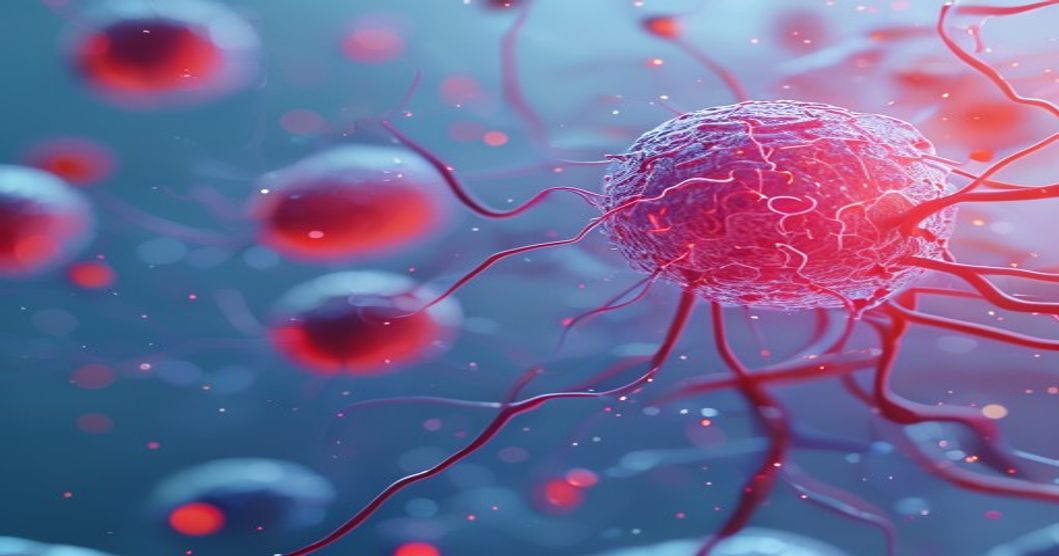
Microglia pain rewiring offers a new frontier in chronic pain treatment. Targeted physiotherapy reshapes brain circuits. This approach aims to reduce pharmaceutical reliance. It explores the intricate link between specific exercises and brain cell activity.
Chronic pain affects millions globally. Understanding its underlying mechanisms is crucial for effective intervention. Glial cells play a pivotal role in pain’s persistence. These cells are not mere support structures. They actively modulate neural circuits.
Glial Cells: Architects of Pain
Glial cells, including microglia and astrocytes, are critical in shaping pain pathways. Their activity can either promote healing or entrench chronic pain. They play a dual role in the brain’s pain-processing regions.
Microglia: Synaptic Sculptors
Microglia are the brain’s immune cells. In a healthy brain, they act as synaptic architects. They prune weak or unnecessary synapses, a process essential for learning and memory. Molecular tags like C1q and C3 mark synapses for removal.
In chronic pain, microglia become activated. They often shift to a pro-inflammatory state. This activation leads to abnormal synaptic pruning. Such dysregulation eliminates vital inhibitory synapses. It solidifies maladaptive excitatory connections, perpetuating pain pathways.
Astrocytes: Neuromodulation and Homeostasis
Astrocytes are the most abundant glial cells. They maintain synaptic homeostasis and regulate neurotransmitter levels. They also form the tripartite synapse and support the blood-brain barrier. Astrocytes are crucial for overall brain health.
Chronic pain often triggers reactive astrogliosis. This involves astrocyte hypertrophy, proliferation, and increased GFAP expression. This reactive state impairs glutamate clearance. It also releases pronociceptive mediators. These changes contribute to neuronal hyperexcitability and maladaptive synaptic plasticity in pain circuits.
A shift from neurotoxic A1 to neuroprotective A2 astrocyte phenotypes is vital for recovery. This remodeling can significantly impact pain resolution. Targeting these cells offers a promising therapeutic avenue.
Physiotherapy: A Neuroplastic Catalyst
Targeted motor learning exercises and sensorimotor integration protocols promote adaptive neuroplasticity. These interventions go beyond simple physical rehabilitation. They engage specific brain regions involved in motor planning, sensory processing, and pain perception.
Motor Learning for Rewiring
Motor learning involves repetitive, goal-directed practice. It refines motor skills and re-establishes efficient movement patterns. This process drives activity-dependent plasticity. It leads to structural and functional changes in motor cortices and somatosensory areas.
By encouraging precise, non-painful movements, motor learning helps unlearn maladaptive strategies. These “fear-avoidance” movements often perpetuate pain. The goal is to replace them with healthy, functional patterns.
Sensorimotor Integration Techniques
Sensorimotor integration focuses on improving sensory information processing. It also enhances coordination with motor output. Techniques include graded motor imagery and mirror therapy. Tactile discrimination training and body schema rehabilitation are also employed.
These protocols directly target distorted body representation. They address sensory processing deficits common in chronic pain. The goal is to “re-map” affected body parts in the brain. This helps restore accurate sensory perception.
Rewiring Pain Memories: The Glial Connection
Specific physiotherapy interventions stimulate glial cells. They shift them from a pathological state to a homeostatic one. This facilitates adaptive synaptic pruning and astroglial remodeling. Consequently, it fundamentally rewires maladaptive pain memories.
Microglial Mechanisms of Action
Successful motor learning and sensorimotor integration reduce central inflammation. This decrease in inflammatory signals (e.g., TNF-alpha, IL-1beta) lessens microglial activation. It also shifts them towards an anti-inflammatory (M2-like) phenotype.
By promoting structured, non-nociceptive neuronal activity, exercises guide microglia. They prune maladaptive or dysfunctional synapses underlying chronic pain. Healthy synapses strengthen; dysfunctional ones are removed. This creates a more efficient, less pain-centric neural network.
Exercise also increases neurotrophic factors like BDNF and IGF-1. BDNF modulates microglial activation and function. This promotes a reparative phenotype and influences synaptic plasticity. Therefore, exercise directly impacts microglial behavior.
Astroglial Mechanisms of Action
Reduced neuroinflammation and restored neuronal activity mitigate reactive astrogliosis. This allows astrocytes to regain homeostatic functions. They perform efficient glutamate clearance, preventing excitotoxicity and maintaining synaptic integrity.
A healthier neuronal environment encourages a phenotypic shift. Neurotoxic A1 astrocytes transform into neuroprotective A2 phenotypes. These A2 astrocytes support neuronal survival and synaptogenesis. Improved sensorimotor integration enhances neuronal firing precision. This allows astrocytes to regulate synaptic glutamate and GABA levels more effectively, restoring excitatory-inhibitory balance within pain circuits.
The Intersection: Daily Health and National Security
Chronic pain significantly impacts daily health and productivity. It reduces quality of life for individuals and places a huge burden on healthcare systems. Furthermore, reliance on pharmaceuticals, especially opioids, has created a national crisis.
Effective microglia pain rewiring offers a pathway to healthier lives. It reduces individual suffering and improves workforce participation. From a national security perspective, a healthier populace is a stronger populace. Reducing opioid dependency lessens a significant public health threat. This innovative approach contributes to both individual well-being and national resilience.
Reducing Pharmaceutical Dependency
Fundamentally rewiring maladaptive pain memories reduces the need for pharmaceutical interventions. Current pharmacotherapy often manages symptoms. It carries risks of side effects, tolerance, and dependency. It often fails to address the underlying neurobiological drivers of chronic pain.
Physiotherapy offers a disease-modifying approach. It directly modifies the neuroplasticity underpinning chronic pain. Unlike symptomatic relief, adaptive neural rewiring provides more durable pain relief. This diminishes reliance on continuous medication.
Freedom from pain and reduced medication burden improves physical function and mental health. It enhances overall quality of life. This aligns with public health goals to combat the opioid crisis. It also aims to reduce polypharmacy, promoting safer, more sustainable health outcomes.
For more insights into managing persistent discomfort, explore our article on Understanding Chronic Pain Pathways. You might also find value in our piece discussing Innovative Neuroplasticity Therapies. Learn how cutting-edge research transforms patient care.
Assess your readiness for non-pharmacological pain management. Download our free Quantum Readiness Checklist today!
Conclusion
Targeted physiotherapy interventions leverage the brain’s intrinsic neuroplastic capacity. This process is mediated by microglia and astrocytes. By strategically influencing synaptic pruning and astroglial remodeling, these therapies hold immense promise.
They offer a path to fundamentally resolving chronic pain. This involves rewiring its very memory. This provides a powerful, non-pharmacological pathway to recovery. It also promises reduced pharmaceutical dependency, leading to better long-term health outcomes.