

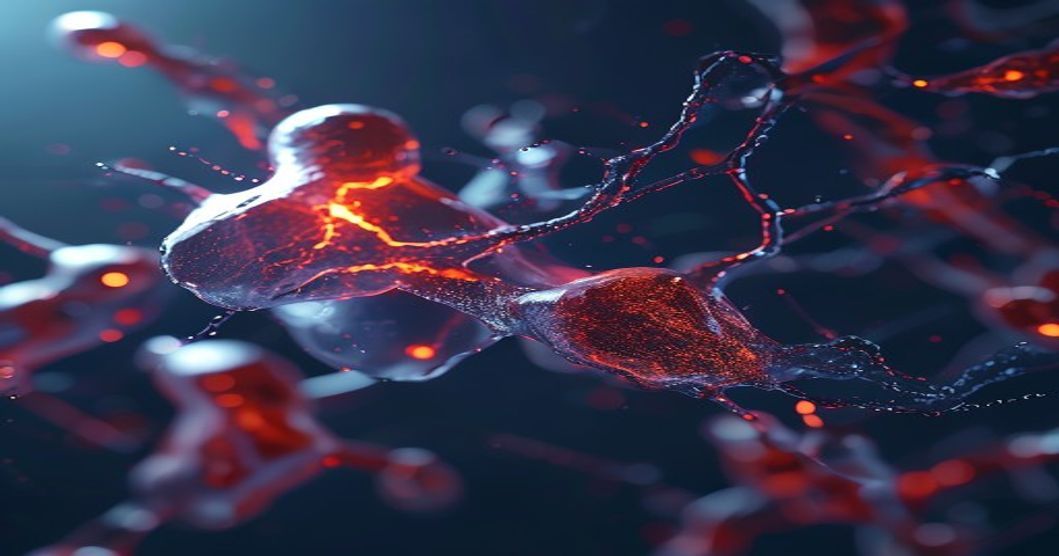
Chronic pain affects millions globally. Many seek drug-free solutions. Our research explores a revolutionary concept: Loading Autophagy Pain. This approach uses precise mechanical forces. It aims to reprogram chronic pain pathways at a cellular level. Ultimately, it offers a compelling alternative for lasting relief.
The Chronic Pain Conundrum
Musculoskeletal pain is a major health challenge. It often involves persistent inflammation. Cellular senescence also plays a role. Traditional treatments frequently fall short. They often mask symptoms instead of addressing root causes. Furthermore, many carry risks of side effects or dependence.
We need innovative strategies. These must target cellular dysfunctions. They should restore tissue homeostasis. Understanding the body’s intrinsic repair mechanisms is crucial. This includes exploring how cells respond to physical stimuli.
Understanding Autophagy: Cellular Renewal
Autophagy is vital for cellular health. It is a highly conserved catabolic process. Cells use it to degrade and recycle damaged components. This includes organelles and misfolded proteins. Autophagy maintains cellular quality control. It also promotes cellular resilience.
This process acts like a cellular recycling plant. It clears out cellular “junk.” This prevents accumulation of harmful debris. Dysregulated autophagy links to many chronic conditions. These include sarcopenia, tendinopathy, and osteoarthritis. Impaired autophagy also contributes to chronic pain states.
Precision Mechanical Loading: A Biological Signal
Mechanical loading is more than just physical stress. It acts as a potent biological signal. Specific loading protocols are engineered for distinct cellular responses. We focus on intermittent compressive forces. These mimic natural weight-bearing activities. Controlled eccentric contractions are also of interest. These involve muscle lengthening under tension.
These regimens are not random. Their frequency, intensity, and duration are precise. They aim to elicit targeted cellular changes. This targeted approach is key. It differentiates therapeutic loading from general exercise. We leverage the body’s intrinsic repair systems.
Loading Autophagy Pain: Reprogramming Pathways
At its core, this investigation links mechanical forces and autophagy. The concept of Loading Autophagy Pain explores this interplay. Targeted mechanical loading protocols modulate autophagy flux. This happens within musculoskeletal cells. This modulation is highly specific. It can fundamentally disrupt chronic pain.
For example, controlled eccentric contractions induce micro-damage. This is followed by robust repair. These contractions may upregulate specific autophagic pathways. Such pathways are crucial for clearing damaged proteins and compromised mitochondria.
Similarly, intermittent compressive forces stimulate autophagy in cartilage cells. This maintains extracellular matrix integrity. It also clears senescent cells linked to osteoarthritis pain.
Enhancing Cellular Resilience
Robust autophagy makes cells stronger. They can better withstand stress. They also repair damage more efficiently. This makes tissues resistant to injury. It also prevents degeneration. Stronger cells mean healthier tissues. This reduces the likelihood of chronic pain development.
Clearing Dysfunctional Organelles
Efficient removal of damaged cellular components is vital. This includes mitochondria and protein aggregates. Autophagy prevents their accumulation. Such accumulation marks aging and chronic disease. It particularly contributes to chronic pain conditions. Clearing this debris reduces inflammation. It also restores optimal cellular function.
Reprogramming Chronic Pain Signals
Cellular damage and inflammation perpetuate pain. Impaired autophagy contributes to this. It sensitizes nociceptors, our pain receptors. By restoring cellular health, we reduce inflammation. Enhanced autophagy can disrupt these maladaptive pathways. It shifts the tissue environment. This moves it away from a pro-pain state. Ultimately, it reprograms chronic pain signals.
The Intersection: Impact on Daily Health
This research has profound implications for daily health. Chronic pain severely limits quality of life. It impacts mobility, sleep, and mental well-being.
Drug-free solutions offer sustainable relief. They empower individuals to regain control. This approach reduces medication reliance and minimizes associated risks. It offers hope for long-term health and vitality.
Imagine a future with less reliance on opioids. Imagine more effective, natural pain management. Precision mechanical loading offers this promise. It represents a shift in pain management philosophy. We move from symptom suppression to cellular restoration. This greatly improves everyday function and overall wellness.
Unlocking a Drug-Free Future
This line of inquiry is very promising. It opens new avenues for non-pharmacological interventions. These are highly specific for chronic musculoskeletal pain.
We leverage the body’s intrinsic repair mechanisms. This is achieved through intelligently designed physical activity. This offers a durable, drug-free alternative. It benefits patients by significantly improving their quality of life.
Further research is essential. It must delineate exact molecular mechanisms and optimize loading parameters. Validating clinical efficacy across diverse pain populations is also crucial. This will solidify the role of Loading Autophagy Pain in future treatments.
For more insights into cutting-edge health research, read our related posts:
- Understanding Cellular Senescence and Age-Related Diseases
- The Future of Non-Invasive Pain Management
- How Mitochondria Impact Your Energy and Health