

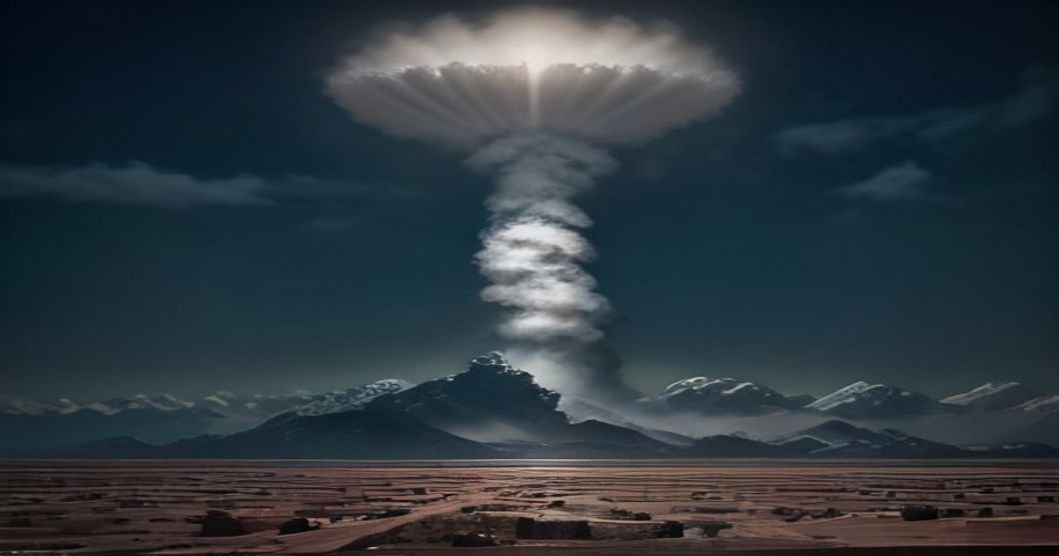
Intelligence reports highlight a significant, sustained increase in **Iran US Tensions**. This escalating friction involves the United States, Israel, and Iran. The geopolitical climate is deteriorating. Instability is heightened across the region.
The situation requires continuous monitoring. It carries substantial implications for international security. The Vantage Reports tracks these critical developments.
Understanding Persistent Escalation
Tensions are rising, involving the United States, Israel, and Iran. The strategic environment is deteriorating. This reflects a heightened state of friction.
Interactions among these nations are increasingly unstable. No single new incident drives this rise. Instead, it reflects an ongoing trend. The overall trajectory points towards growing strain.
Washington, Jerusalem, and Tehran face complex challenges. This volatile environment requires constant vigilance. Regional stability remains at risk. Broader international security could also be impacted.
Historical Roots of Complex Relations
The US and Iran share a long, turbulent history. Tensions dramatically increased after the 1979 Iranian Revolution. This event transformed Iran into an Islamic Republic. It also shifted its stance towards the West.
Many diplomatic ties were subsequently severed. The US imposed numerous sanctions on Iran. These measures aimed to curb Iran’s nuclear program. They also targeted its support for regional proxy groups.
Israel views Iran’s nuclear ambitions as an existential threat. This perception fuels much regional animosity. A complex web of alliances and rivalries emerged. These historical events shape current dynamics.
Drivers of Current Strain
Several factors fuel the ongoing **Iran US Tensions**. Iran’s nuclear program remains a central point of contention. International bodies monitor its development closely. Concerns persist regarding its peaceful nature.
Regional proxy conflicts also play a significant role. Iran supports various non-state actors. These groups operate in countries like Yemen, Lebanon, and Syria. This support often clashes with US and Israeli interests.
Maritime security in the Persian Gulf is critical. The Strait of Hormuz is a vital shipping lane. Any disruption impacts global energy markets. Naval presence and patrols are frequent.
Cyber warfare adds another dimension. Both sides have accused each other of cyberattacks. These digital skirmishes complicate an already fragile relationship. They also introduce new forms of conflict.
National Security Implications
The escalating **Iran US Tensions** directly impact national security. This affects involved states and global allies. A major concern is the potential for miscalculation. Such errors could trigger wider conflicts.
Maritime security remains paramount. Disruptions to oil shipments from the Persian Gulf could occur. This would destabilize global energy supplies. International economies would suffer significantly.
Regional stability is also at stake. Escalations could empower extremist groups. They might exploit the chaos for their own agendas. This creates a dangerous feedback loop of violence.
Cyber threats also pose a serious risk. Critical infrastructure could become targets. This includes power grids, financial systems, and defense networks. Such attacks could have devastating real-world effects.
Constant vigilance is essential. Nations must develop robust defense strategies. Strong diplomatic channels are also needed. These threats are explored further in our Cyber Security Threats 2023 analysis.
The Economic and Strategic Outlook
Increased tensions often lead to market volatility. Investors become cautious. Oil prices typically react sharply to Middle East instability. This creates uncertainty for global trade.
Sanctions continue to impact Iran’s economy. These measures restrict its access to international markets. They also limit its ability to fund various programs. Iran often finds ways to circumvent these restrictions.
Diplomatic efforts face immense hurdles. Trust between the parties is low. Negotiations are often complex and drawn out. Breakthroughs are difficult to achieve.
The strategic landscape remains fluid. Regional alliances are shifting. New partnerships are forming. This dynamic environment requires continuous strategic assessment.
Navigating a Volatile Landscape
Increasing tensions suggest a volatile environment. All parties must exercise extreme caution. Strategic consideration is paramount. Ongoing vigilance is required from observers.
Monitoring intelligence is crucial. Understanding the nuances of regional dynamics helps. This allows for informed decision-making. Detailed analyses on these topics are available.
The reported rise in tensions indicates a heightened state of alert. This applies to all observers of Middle Eastern affairs. The potential for escalation is real. Preparedness is key.
For a deeper dive into regional dynamics, read our post on Middle East Geopolitics Explained. Explore the broader context in our analysis of Global Energy Market Trends.
Stay Informed: Download Our Geopolitical Risk Assessment Checklist
Understanding complex geopolitical shifts is vital. Download our exclusive “Geopolitical Risk Assessment Checklist.” This resource identifies key indicators and aids in preparing for regional impacts. Enhance your strategic foresight today.
Conclusion
The sustained rise in Iran US Tensions presents a critical challenge. It underscores the fragility of regional stability. This requires careful diplomatic engagement. It also requires robust intelligence gathering.
The Vantage Reports will continue to provide timely updates. Understanding these dynamics is essential. It helps navigate an increasingly complex world.