

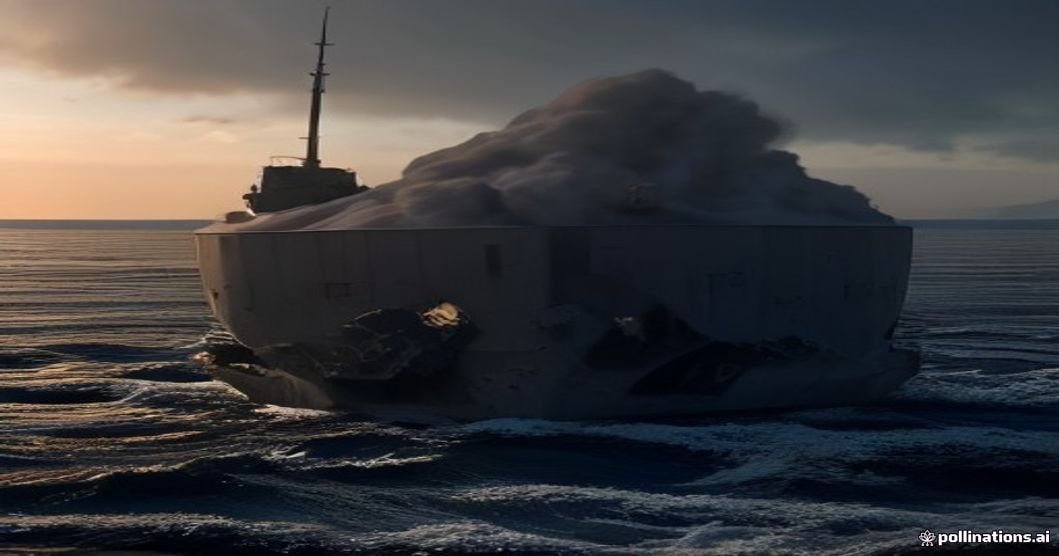
Heightened Iran US Tensions command global attention. This friction impacts international stability. Strategic sensitivities are consistently rising. Understanding these dynamics is crucial.
This report explores the current situation. It examines underlying factors. It also assesses broader implications for global security and markets.
Understanding the Historical Roots
Decades of complex relations define the US-Iran dynamic. The 1979 Iranian Revolution marked a significant turning point. It transformed a key US ally into an adversary. Distrust deepened considerably.
Hostage crises and sanctions followed. These events cemented a contentious relationship. Both nations developed entrenched perspectives. Reconciliation efforts often faltered.
Key Drivers of Current Tensions
Multiple factors fuel the current escalation. Iran’s nuclear program remains a primary concern. Western powers view it as a proliferation risk. Iran asserts its peaceful intentions for energy.
Regional proxy conflicts contribute. Iran supports various non-state actors. These groups operate across the Middle East. They often challenge US and allied interests.
The Nuclear Program
The Joint Comprehensive Plan of Action (JCPOA) sought to limit Iran’s nuclear ambitions. The US withdrew from this agreement in 2018. Iran then began enriching uranium beyond agreed limits. This raised international alarms.
International inspectors monitor Iran’s activities. Their reports often highlight compliance issues. Diplomatic efforts face increasing challenges. Reaching a new agreement proves difficult.
Regional Proxy Networks
Iran leverages a network of regional allies. Groups in Iraq, Syria, Lebanon, and Yemen receive support. This strategy extends Iran’s influence. It creates flashpoints for conflict.
The US and its allies counter these operations. They aim to curb Iranian regional power. This confrontation often leads to indirect clashes. Regional stability remains fragile.
Maritime Security Concerns
The Strait of Hormuz is a critical chokepoint. A significant portion of global oil transits this waterway daily. Incidents involving tankers and naval vessels occur periodically. These events raise international shipping risks.
Both sides conduct military exercises. They project power in the Persian Gulf. These maneuvers heighten miscalculation risks. Global energy markets react nervously.
Cyber Warfare Capabilities
Cyber operations have become a new front. Both the US and Iran possess advanced capabilities. They engage in espionage and disruption. Critical infrastructure faces potential threats.
Attacks can originate from state-sponsored actors. Attribution often proves challenging. Cyber security remains a paramount concern. It adds another layer of complexity.
The US and Allied Perspective
The United States prioritizes regional stability. It seeks to prevent nuclear proliferation. It also aims to protect its Middle East allies. Containing Iran’s influence is a key objective.
Sanctions are a primary tool. They target Iran’s economy and leadership. Diplomacy runs parallel to these pressures. Progress often stalls due to entrenched positions.
Iran’s Strategic Calculus
Iran views US actions as hostile. It seeks to assert its regional sovereignty. The regime prioritizes its internal security. Maintaining its revolutionary ideology is crucial.
Developing a deterrent capability is a goal. This includes its missile program. It aims to reduce US influence. Building alliances serves this purpose strategically.
The Israeli Factor
Israel views Iran as an existential threat. It strongly opposes Iran’s nuclear program. It targets Iranian proxies. These actions often involve military strikes in neighboring countries.
Cooperation with the US on Iran is significant. Israel sometimes acts independently. This dynamic adds another layer of tension. It complicates diplomatic solutions.
The Intersection: National Security and Investing
Rising Iran US Tensions have profound impacts. They directly affect global national security. They also create significant investment risks. Understanding these links is vital.
For deeper insights into regional dynamics, read our Regional Security Briefs.
National Security Implications
Escalation threatens maritime trade routes. It destabilizes oil markets. A direct conflict could draw in regional powers. This risks broader global instability.
Cyberattacks could disrupt essential services. They could impact critical infrastructure. Nations must bolster their defenses. Preparedness remains paramount.
Impact on Global Investing
Geopolitical instability creates market volatility. Oil prices often surge during crises. Defense stocks may see short-term gains. Broader market sentiment suffers from uncertainty.
Investors seek safe-haven assets. Gold and certain currencies become attractive. Companies with exposure to the region face higher risks. Careful portfolio diversification is essential.
We offer detailed analysis on navigating such challenges. Explore our insights on Geopolitical Investing Strategies.
Potential Future Scenarios
Several paths lie ahead for Iran US Tensions. De-escalation remains a possibility. Diplomatic breakthroughs could reduce friction. This requires significant concessions from both sides.
Sustained tension appears more likely. Both sides maintain their positions. This creates perpetual vigilance. It carries inherent risks of miscalculation and accidental escalation.
A limited conflict cannot be ruled out. Incidents could escalate quickly. This might involve proxies or direct engagements. Vigilance is necessary to prevent wider conflict.
Navigating the Complex Landscape
Understanding these tensions requires continuous analysis. We monitor developments closely. Our reports provide timely intelligence. This aids informed decision-making.
Stay ahead of geopolitical shifts. Download our exclusive “Geopolitical Risk Assessment Guide” today. It provides actionable strategies for complex global environments and challenges.
Conclusion
Ongoing Iran US Tensions present a multifaceted challenge. Historical grievances, nuclear ambitions, and regional power struggles fuel this dynamic. Israel’s involvement further complicates matters.
These tensions carry significant implications. They impact national security. They influence global investment climates. We will continue to track these critical developments.
For more context on regional conflicts, see our post on Middle East Conflicts Explained.