

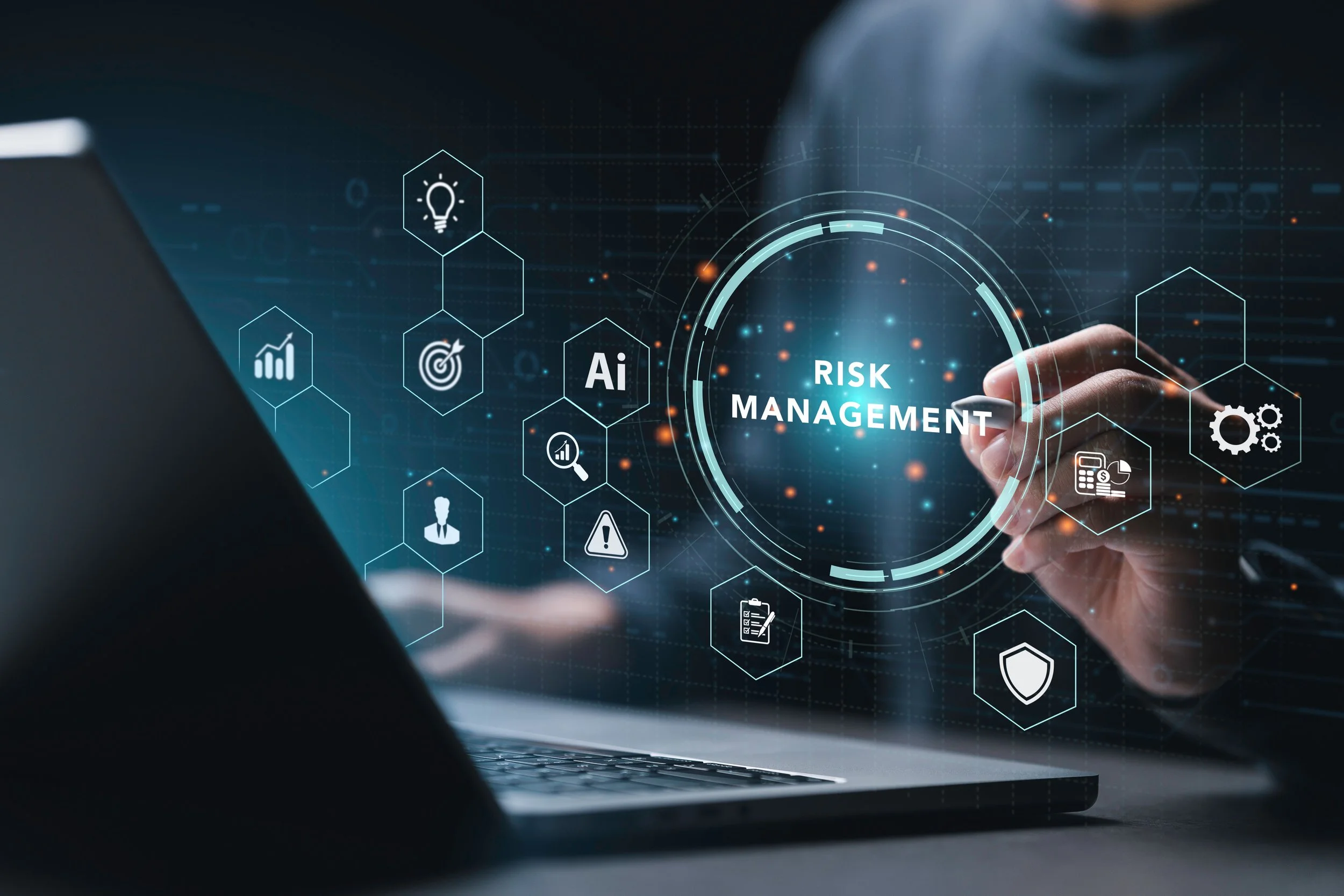
Executive Summary: In an era defined by unprecedented volatility, Infrastructure Risk Finance has emerged as a cornerstone strategy for enterprises fortifying critical assets. Global society relies on complex infrastructures—energy grids, trade logistics, digital systems—all exposed to escalating, unpredictable threats from climate change, geopolitical instability, cyberattacks, and biological hazards. The financial repercussions are staggering, prompting a fundamental shift: proactive investment in resilience. This report explores the surge in venture capital (VC) and M&A targeting specialized risk intelligence platforms and innovative parametric insurance solutions, designed to financially hedge against systemic threats and build robust Infrastructure Risk Finance capabilities.
The Investment Surge: Enterprise Capital Reshaping Risk Management
The past five years have seen a marked acceleration in enterprise VC and M&A focused on technologies and financial instruments that fortify critical infrastructure. This represents a strategic pivot towards comprehensive systemic risk management. Corporate venture arms, private equity, and traditional VCs are pouring capital into companies offering predictive insights and rapid financial recovery. Key drivers include:
- Operational Continuity: Minimizing downtime for critical functions.
- Supply Chain Resilience: Protecting globalized supply chains from cascading failures.
- Regulatory Compliance & ESG Mandates: Meeting evolving governmental and ESG expectations.
- Competitive Advantage: Superior resilience attracts customers, partners, and talent.
- Quantifiable Risk Reduction: Investors seek tangible returns on resilience investments.
This trend’s dual focus—understanding risk and enabling swift financial recovery—creates a holistic ‘prepare and protect’ strategy. Proactive adoption of advanced Infrastructure Risk Finance mechanisms is now a non-negotiable business strategy.
Specialized Risk Intelligence Platforms: The Data-Driven Edge
At the forefront are specialized risk intelligence platforms. These sophisticated systems provide granular, real-time, and predictive insights into infrastructure vulnerabilities, leveraging cutting-edge technologies:
- AI/ML for Predictive Analytics: Forecasts disruptions from cyberattack vectors to extreme weather.
- Geospatial Intelligence & Satellite Imagery: Monitors physical infrastructure, weather, shipping, and conflict zones.
- IoT & Sensor Networks: Provides hyper-local data on environmental conditions, equipment health, and operational status.
- Supply Chain Mapping & Digital Twins: Simulates disruption impacts and identifies single points of failure.
- Cyber Threat Intelligence: Aggregates global threat data to predict and mitigate digital attacks.
Applications Across Critical Infrastructures
- Global Energy Grids: Platforms monitor weather (e.g., hurricane paths), seismic activity, vegetation, and cyber-physical threats, predicting outages and optimizing resource deployment. Examples include satellite data for wildfire vulnerability or AI for equipment failure, enhancing Infrastructure Risk Finance for energy sectors.
- Critical Trade Logistics: Solutions track global shipping, port congestion, geopolitical hotspots, and climate events impacting key routes. They provide real-time visibility for rerouting and inventory management.
- Digital Infrastructure: Advanced platforms detect anomalous network behavior, zero-day exploits, DDoS precursors, and vulnerabilities in data centers and cloud, offering proactive defense and rapid incident response.
These platforms enable proactive decision-making, hardening infrastructure, pre-positioning resources, and mitigating risks before escalation.
Parametric Insurance Solutions: The Financial Hedge Against Unpredictability
Complementing risk intelligence is the rapid growth of parametric insurance solutions, a critical component of Infrastructure Risk Finance. Unlike traditional indemnity insurance, parametric policies trigger payouts based on pre-defined event parameters (e.g., wind speed, outage duration).
- Mechanism: Parties agree on a trigger and payout. Once met (verified by independent data), payout is swift, regardless of actual damage.
- Advantages for Systemic Risks:
- Speed & Liquidity: Faster payouts provide immediate liquidity for recovery.
- Transparency & Simplicity: Clear triggers and pre-agreed payouts reduce disputes.
- Coverage for Non-Damage Business Interruption: Covers indirect losses often excluded traditionally.
- Addressing Uninsurable Gaps: Provides coverage for emerging systemic risks.
Parametric Applications for Critical Infrastructure
- Energy Grids: Policies trigger payouts based on sustained wind speeds, outage duration, or cyberattack metrics, funding repairs and restoration.
- Trade Logistics: Payouts triggered by port closures, adverse weather on shipping lanes, or customs system failures provide financial buffers for rerouting.
- Digital Infrastructure: Policies pay out based on network downtime or DDoS attacks, managing financial impact of SLA breaches.
The convergence of precise risk intelligence and innovative parametric finance creates a powerful mechanism for enterprises to manage systemic infrastructure risks efficiently. For more insights on financial risk management, you can visit the McKinsey & Company website.
Drivers of the “Surge”: Why Now?
Several macro and micro factors fuel this investment surge in Infrastructure Risk Finance:
- Escalating Frequency & Severity of Systemic Events: Climate change increases extreme weather. Geopolitical tensions fuel cyber warfare and trade disruptions. COVID-19 highlighted supply chain fragility.
- Hyper-Interconnectedness: A disruption in one node can cascade into global failures, amplifying losses.
- Technological Maturation: Advancements in AI, IoT, satellite tech, and big data enable unprecedented speed and accuracy in risk data analysis, supporting intelligence and parametric triggers.
- Limitations of Traditional Risk Transfer: Traditional insurance struggles to price systemic, non-damage business interruption risks, leaving gaps. Parametric solutions offer a viable alternative.
- Increased Regulatory and Stakeholder Scrutiny: Demands for greater resilience mean failure to demonstrate robust risk management leads to penalties.
These forces underscore the urgent need for innovative financial tools, making the current surge an essential evolution in risk management.
Market Landscape and Future Outlook
The market for Infrastructure Risk Finance is dynamic, characterized by collaboration and innovation:
- Emerging Players: InsurTech and RiskTech startups specialize, attracting significant funding.
- Strategic Partnerships: Traditional insurers partner with tech firms to integrate analytics and offer parametric products.
- Corporate Venture Capital: Energy, logistics, and tech giants invest directly in startups enhancing their resilience.
- Convergence: Lines between risk intelligence, climate tech, cybersecurity, and insurance blur, leading to integrated solutions.
- Future Outlook: Expect continued growth, expansion into new asset classes (e.g., space infrastructure), and increasing sophistication of triggers and data sources. Challenges include standardizing data, market education, and navigating evolving regulatory landscapes.
For a broader perspective on global risks and resilience, read the latest Global Risks Report from the World Economic Forum.
Explore The Vantage Reports for more in-depth analyses on critical industry trends.
The Future of Infrastructure Risk Finance
The strategic imperative to protect critical infrastructure against systemic shocks firmly positions Infrastructure Risk Finance as a cornerstone of future enterprise resilience strategies, attracting sustained investment and fostering groundbreaking innovation.