

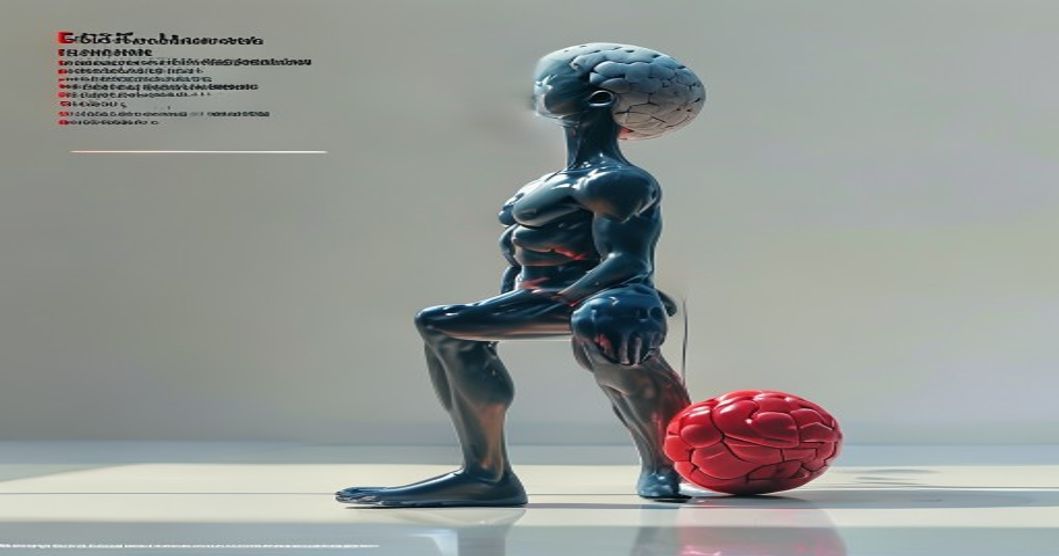
Chronic pain affects millions globally. Many seek pharmaceutical relief. These often carry risks and side effects. A new, drug-free approach is gaining traction. It involves targeted gut-brain exercises.
These exercises modulate the gut-brain axis. They leverage the intricate connection between your gut and brain. This can fundamentally reprogram chronic pain pathways. Consequently, it may reduce the need for conventional medications.
Understanding the Gut-Brain Axis in Chronic Pain
Chronic pain involves complex neurobiological changes, not just physical sensation. Central sensitization often plays a role. Altered pain processing also contributes. Systemic inflammation is frequently present.
Emerging evidence links chronic pain to gut-brain axis (GBA) dysregulation. Conditions like fibromyalgia and IBS show this connection. The GBA is a bidirectional communication network. It links the central nervous system with the gut’s enteric nervous system.
This network involves neural, endocrine, and immune pathways. The gut microbiome is a key GBA modulator. It influences brain function, mood, and pain perception. A healthy gut is vital for overall well-being.
How Gut-Brain Exercises Work
Rehabilitative exercises offer more than musculoskeletal benefits. Researchers now examine their systemic effects. These effects extend directly to the GBA. Specific types of movement can make a difference.
Mind-body practices are one example, including Yoga, Tai Chi, and Qigong. These practices reduce stress and improve autonomic balance. They may also alter gut microbiota composition. Somatic exercises contribute to these benefits.
Aerobic and resistance training also play a role. They improve cardiovascular health and muscle strength. These exercises impact gut permeability and systemic inflammation. They can also increase beneficial microbial metabolites.
Diaphragmatic breathing is crucial. Vagal nerve stimulation exercises are also key. These techniques enhance vagal tone. The vagal nerve directly communicates within the GBA, and deep, slow breathing strongly supports this pathway.
Mechanism 1: Exercise and Your Microbiome
Rehabilitative exercises profoundly influence the gut microbiome. We call this process exercise-induced eubiosis. Regular physical activity increases gut microbial diversity. Moderate-intensity exercise is particularly effective.
This promotes beneficial bacteria growth, such as *Bifidobacterium* and *Lactobacillus*. A diverse microbiome improves gut barrier function. It also reduces systemic inflammation.
Exercise can enhance short-chain fatty acid (SCFA) production. Gut bacteria produce SCFAs like butyrate. Butyrate is a crucial energy source for colonocytes. It strengthens the gut barrier and possesses potent anti-inflammatory properties.
These SCFAs can cross the blood-brain barrier. They directly influence brain function. They impact neurotransmitter synthesis and pain modulation. Consequently, exercise helps regulate brain chemistry.
Chronic pain often links to increased gut permeability, or “leaky gut.” Bacterial products can enter the bloodstream, triggering systemic inflammation. Exercise may strengthen the intestinal lining’s tight junctions. This reduces inflammation and its impact on pain pathways.
The gut microbiome produces neurotransmitter precursors, including serotonin and dopamine. Modulating the microbiome influences central pain processing. Exercises also improve mood, which often co-occurs with chronic pain.
Mechanism 2: Vagal Nerve Modulation
The vagal nerve is the primary GBA communication conduit. It transmits sensory information from gut to brain via afferent pathways. It also sends motor and autonomic signals from brain to gut via efferent pathways.
Specific rehabilitative exercises enhance vagal tone. These include controlled breathing and mindful movement. High vagal tone associates with stress resilience. It improves emotional regulation and supports a robust anti-inflammatory response.
The efferent vagal nerve pathway is key. It forms the “cholinergic anti-inflammatory pathway.” Activating this pathway inhibits pro-inflammatory cytokines. This reduces neuroinflammation in the brain and periphery, which significantly contributes to chronic pain.
The vagal nerve has direct pain inhibitory effects. Modulating vagal activity influences pain perception and threshold. This offers a non-pharmacological analgesic effect.
Synergistic Effects: Reprogramming Pain Pathways
This strategy’s power lies in dual modulation. Microbiome and vagal nerve modulation work together. A healthier microbiome produces beneficial compounds that stimulate the vagal nerve. An activated vagal nerve also influences gut motility.
It also affects gut secretions and local immune responses. This creates a favorable environment for beneficial gut bacteria. This dual modulation aims to “reprogram” chronic pain. It targets underlying issues, not just symptoms.
This approach reduces neuroinflammation and systemic inflammation. It also addresses central sensitization. We restore autonomic balance, shifting the nervous system from “fight-or-flight” dominance. This moves it towards a “rest-and-digest” state, often lacking in chronic pain.
We also optimize neurotransmitter balance. Exercises influence neurotransmitters for pain, mood, and stress. This strengthens pain inhibitory pathways. It enhances the body’s natural pain reduction mechanisms, leading to lasting relief.
The Intersection: Investing in a Healthier Future
Chronic pain carries an immense economic burden. It costs billions in healthcare and lost productivity. Investing in drug-free solutions is crucial. Gut-brain exercises represent a smart investment, offering sustainable, long-term benefits.
This approach reduces reliance on expensive medications. It minimizes costs associated with managing side effects. Empowering patients reduces their dependence on the healthcare system. This frees up resources, benefiting individuals and the broader economy.
A Drug-Free Path: Reducing Pharmaceutical Dependency
Rehabilitative exercises offer significant potential. They can modulate the GBA. This offers a compelling alternative to conventional pain management. It can reduce reliance on opioids and NSAIDs.
Patients experience reduced side effects. Long-term pharmaceutical use carries many risks. This approach eliminates those risks. It empowers patients to take an active role in their pain management, fostering greater self-efficacy.
Relief becomes sustainable by addressing root causes, not just masking symptoms. This approach also offers cost-effectiveness. It potentially lowers healthcare costs through reduced medication and side effect management.
Current Research and Future Directions
Current investigations involve randomized controlled trials. These examine specific exercise protocols, assessing duration, intensity, and type. Their impact on clinical pain scores is measured. Gut microbiome composition is analyzed via sequencing.
Vagal tone measurements, like heart rate variability, are taken. Inflammatory biomarkers are tracked in chronic pain patients. The challenge lies in finding the optimal “dose” and exercise type, considering individual variability. Advanced neuroimaging helps understand mechanisms.
Gut metabolomics further elucidates GBA modulation. This frontier promises new insights. We are moving closer to personalized exercise prescriptions. These will offer targeted relief for chronic pain.
In conclusion, investigating specific rehabilitative exercises is groundbreaking. They modulate the gut-brain axis via the microbiome and vagal nerve. This strategy offers immense promise. It alleviates suffering and fundamentally reprograms chronic pain.
We offer a sustainable path towards reduced pharmaceutical dependency and improved patient outcomes. Download our Quantum Readiness Checklist today. Learn more about holistic health solutions. Explore our articles on Mindfulness Techniques and Nutrition for Gut Health.