

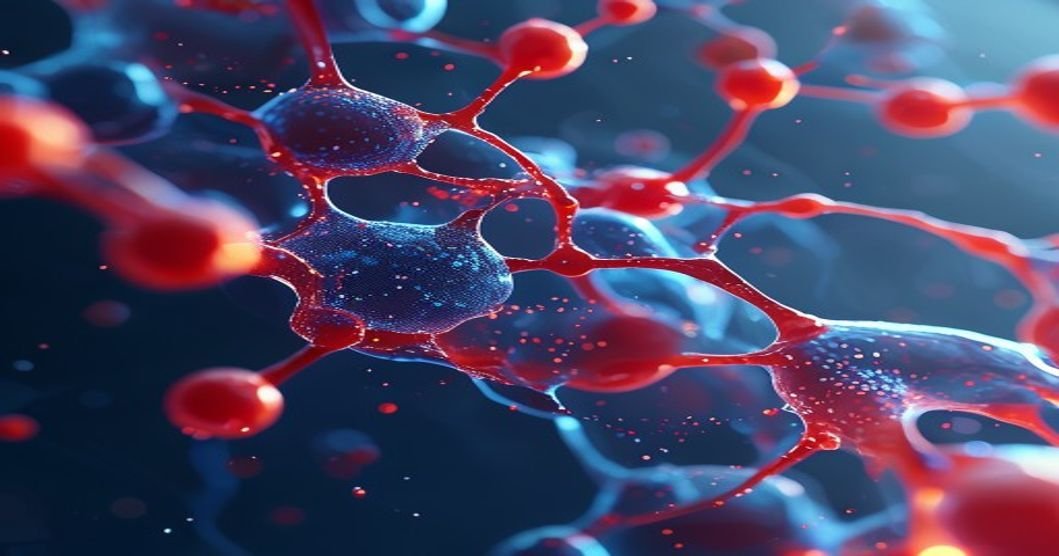
The cellular glycocalyx is a dynamic, sugar-rich layer. It covers most cell surfaces. This layer is crucial for cell communication and tissue health. It also regulates how cells sense mechanical forces.
New research explores how targeted physiotherapy can impact chronic pain. Specifically, precise shear forces and tissue mobilizations are key. They aim to recalibrate pain by influencing the glycocalyx. This process is known as Glycocalyx Modulation.
Physiotherapy can restore microvascular integrity. It regulates immune cell adhesion. It also re-balances neuro-immune interactions. This offers a powerful, non-pharmaceutical path to reduce persistent pain states.
The Glycocalyx: A Cellular Shield and Sensor
The glycocalyx is a complex meshwork. It includes proteoglycans, glycosaminoglycans (GAGs), and glycoproteins. This mesh extends from the cell surface into the extracellular space. On endothelial cells, it forms a primary barrier. It also regulates vascular permeability.
Furthermore, it mediates blood flow shear stress sensing. It controls interactions between leukocytes and endothelial cells.
On peripheral nociceptors, its role is less understood. However, it likely modulates receptor access and mechanosensitivity. This influences pain signal generation.
The glycocalyx acts as a vital mechanosensor. It converts mechanical stimuli into biochemical signals. These signals then influence overall cellular behavior.
Physiotherapy: Biomechanical Signals for Healing
Targeted physiotherapy applies specific mechanical forces. These include manual therapy, therapeutic exercise, and tissue loading. These forces are not just passive. They are active biomechanical signals.
We hypothesize that precise forces translate into specific cellular responses. This particularly occurs at the glycocalyx level.
Rhythmic tissue mobilization, for example, induces local fluid shear stress. It also causes tissue deformation. These actions directly impact the glycocalyx.
Modulating Glycocalyx Composition and Thickness
Mechanical forces from physiotherapy can alter glycocalyx components. They also change its thickness.
For instance, sustained shear stress increases heparan sulfate. It also boosts syndecan-1 expression on endothelial cells. This strengthens the glycocalyx.
Chronic inflammation or ischemia can degrade the glycocalyx. Enzymes like heparanase shorten GAG chains. Physiotherapy aims to restore a healthy compositional profile. This rebuilds the glycocalyx’s protective functions.
The glycocalyx thickness is highly dynamic. Inflammation can cause rapid shedding and thinning. This increases vascular permeability and promotes immune cell adhesion.
Appropriate mechanical loading, such as exercise, can promote glycocalyx reconstruction. This restores its crucial barrier functions.
Re-calibrating Mechanosensory Signaling
The glycocalyx directly translates mechanical forces into intracellular signals. GAG chain or proteoglycan deformation activates specific ion channels, including TRPV4.
It can also activate G-protein coupled receptors or integrins. This leads to downstream signaling cascades.
On endothelial cells, this regulates vascular tone and controls barrier function.
On nociceptors, this mechanotransduction can modulate excitability. It influences their sensitivity to painful stimuli.
Physiotherapy optimizes these mechanical inputs. It re-calibrates mechanosensory thresholds and signaling pathways.
Boosting Microvascular Health and Immunity
A damaged endothelial glycocalyx is common in chronic inflammation. It causes increased vascular permeability, leading to plasma protein leakage into tissues. Immune cell extravasation also increases.
Targeted physiotherapy promotes a thicker, stronger glycocalyx. This restores endothelial barrier function. It reduces microvascular leakage.
Consequently, edema and pro-inflammatory mediators decrease. These often contribute to chronic inflammatory pain.
The glycocalyx also acts as a physical barrier. It regulates leukocyte rolling and adhesion.
A healthy glycocalyx interacts with selectins and integrins on immune cells. This modulates their adhesion.
Physiotherapy-induced Glycocalyx Modulation can reduce aberrant leukocyte adhesion. It dampens local inflammation. This mitigates pain effectively.
Attenuating Pain Signals at the Source
The glycocalyx on peripheral nociceptors is a promising area for pain modulation. It likely controls direct interactions with immune cells, including macrophages and mast cells.
Altering the glycocalyx might modify cell proximity and signaling. This influences the release of pain mediators.
Changes in glycocalyx composition can also alter cytokine binding. It affects chemokine binding to nociceptor surface receptors. A modulated nociceptor glycocalyx could directly alter the excitability of pain fibers. It also changes their mechanosensitivity.
For example, thickness changes might mask or unmask ion channels. These include TRP channels or voltage-gated sodium channels. This influences their activation threshold.
The glycocalyx’s role in mechanotransduction means its properties directly affect pain perception. Recalibrating this through physiotherapy can attenuate mechanical allodynia. It also reduces hyperalgesia.
This offers direct relief for chronic neuropathic pain without drugs.
The Intersection: Glycocalyx Modulation for Daily Health
Chronic pain profoundly impacts daily life. It affects mobility, sleep, and overall well-being. Individuals often struggle with simple tasks. They face limitations in work and social activities.
Therefore, understanding and addressing pain at a cellular level is critical. **Glycocalyx Modulation** offers a novel path. It moves beyond just managing symptoms.
It aims to restore fundamental cellular health. This directly translates into improved daily function and enhanced quality of life. It lessens reliance on medication, empowering individuals.
A New Era in Non-Pharmacological Pain Management
This mechanism positions targeted physiotherapy as a sophisticated intervention. It offers cellular-level recalibration. By restoring glycocalyx integrity, physiotherapy provides a multi-pronged approach. It effectively attenuates pain.
First, it reduces inflammation. This happens through improved microvascular integrity. It also limits immune cell adhesion.
Second, it re-calibrates pain signaling. This involves direct modulation of nociceptor mechanosensitivity. It reduces aberrant pain signal generation.
Consequently, physiotherapy promotes tissue healing. It restores physiological equilibrium. This approach moves beyond symptomatic relief.
It offers a compelling alternative to pharmaceutical interventions. It minimizes side effects. It also fosters long-term self-management of chronic pain.
Learn more about holistic pain strategies in our article on Integrative Pain Solutions. You might also find insights in Biohacking for Faster Recovery.
Pioneering Future Pain Solutions
Future research must validate these mechanisms in vivo. It will use advanced imaging techniques. These will visualize glycocalyx changes. Such changes occur in response to specific physiotherapy interventions.
Identifying specific glycocalyx biomarkers is also crucial. These include shed GAG fragments. They can objectively assess treatment efficacy.
Furthermore, optimizing physiotherapy protocols for specific pain conditions is vital. This requires understanding unique glycocalyx pathologies. This translation will lead to highly effective, personalized pain management strategies.
Explore related breakthroughs in Cellular Regeneration Therapies for further reading.