

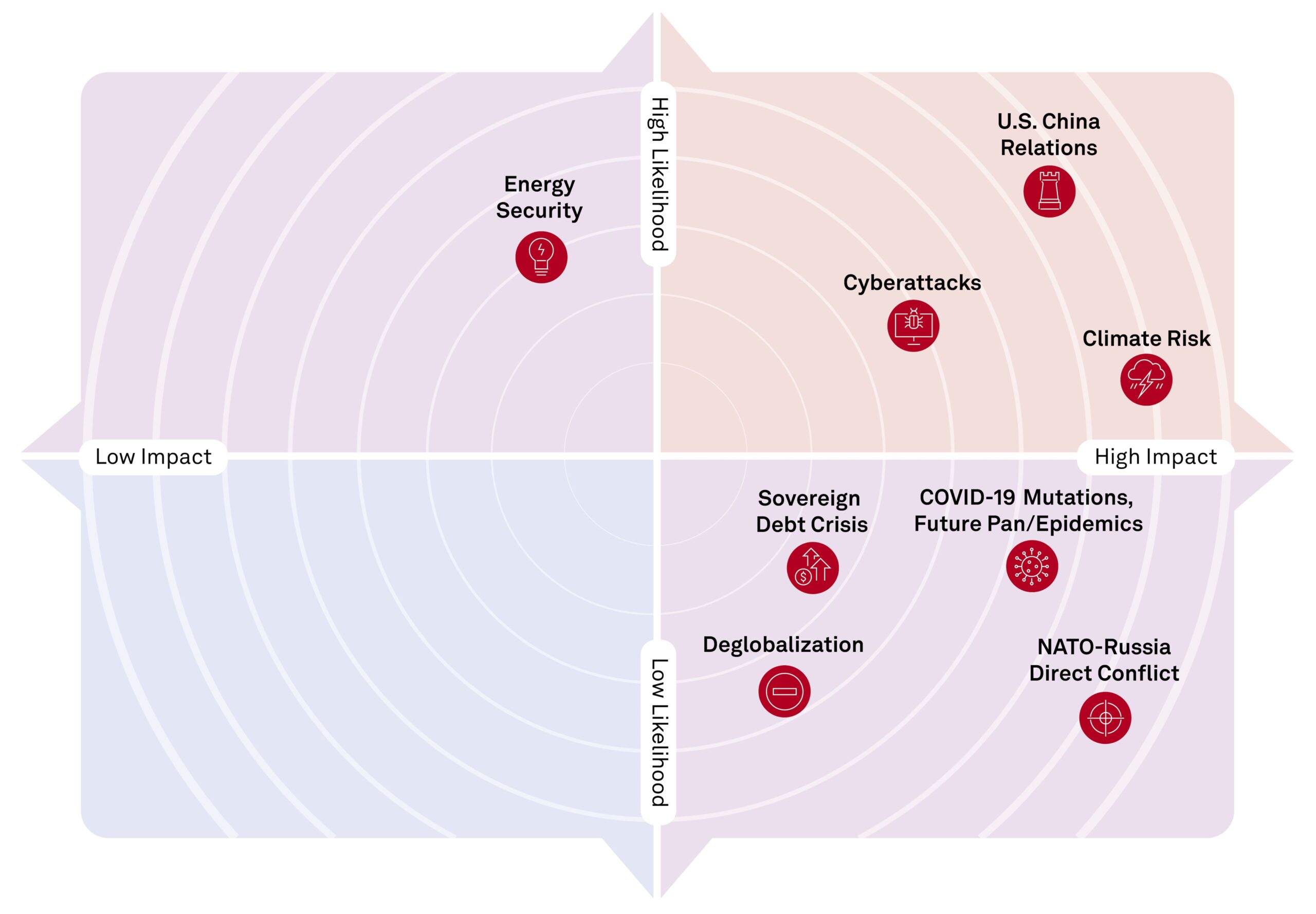
The global landscape faces pervasive operational insecurity. Critical systems now demonstrate escalating vulnerability.
Geopolitical System Risk represents a significant disruption. It challenges the stability modern economies rely upon. This risk signifies a critical shift in global security dynamics.
Direct geopolitical conflict continuously undermines foundational pillars. Energy, technology, and trade flows are all impacted. A complex web of vulnerabilities emerges. Strategic competition directly affects global infrastructure integrity.
Defining Operational Insecurity in Critical Systems
Operational insecurity systematically degrades critical services. It intentionally disrupts normal functioning. This extends beyond cyber threats. It encompasses physical attacks and political coercion. Economic warfare and regulatory weaponization also play roles.
Critical global systems involve transnational networks. These assets are essential for societies worldwide. Their interdependence means disruptions cascade. A problem in one system amplifies impacts across others. Systemic vulnerabilities emerge.
The Pillars of Global Vulnerability
Global systems are highly susceptible to disruption. Energy, technology, and trade form the core. Their vulnerability defines much of the Geopolitical System Risk.
Energy Flows Face Weaponization
Energy is the lifeblood of industry. Nations increasingly weaponize energy reserves. They leverage exports as a geopolitical instrument. Curtailment or threats achieve political objectives. The 2022 European energy crisis clearly demonstrated this.
Infrastructure attacks are common. Pipelines, power grids, and LNG terminals are targets. Sabotage or direct attacks frequently occur. The Nord Stream pipeline damage underscores this risk. Critical energy infrastructure becomes a battlefield.
Resource nationalism impacts supply. Countries restrict access to vital resources. Terms of trade depend on geopolitical alignments. This affects global supply stability and pricing. It also hinders the renewable energy transition.
Technology Networks Under Constant Siege
Technology forms the modern world’s digital backbone. Communication, finance, and industrial control systems are targets. State-sponsored groups routinely attack critical national infrastructure.
These attacks are not merely for espionage. They pre-position capabilities for future disruption.
The Ukraine conflict demonstrates extensive cyber operations. These target Ukrainian infrastructure. They show the destructive potential of digital warfare. Nations must consequently enhance their cyber defenses.
Supply chain control is increasingly weaponized. Access to advanced semiconductors or rare earth minerals is restricted. Export controls and sanctions create bottlenecks.
The US-China semiconductor rivalry exemplifies this. This undermines technological reliability.
Data integrity and sovereignty are also contested. Geopolitical competition extends to information control. State actors engage in disinformation campaigns.
They attempt to compromise data networks. This erodes trust in digital systems.
Trade Flows and Supply Chain Disruptions
Global commerce is an intricate web. It delivers goods and services worldwide. This web is highly susceptible to geopolitical shocks. Key maritime routes are especially vulnerable.
Maritime chokepoints face conflict. The Suez Canal, Panama Canal, and Strait of Hormuz are examples. Attacks by Houthi rebels in the Red Sea forced rerouting.
This increased transit times and costs. It highlights the fragility of global trade.
Trade sanctions manifest as economic warfare. Nations impose tariffs or sanctions. These disrupt established trade patterns.
They impact specific industries. Businesses and consumers face widespread uncertainty.
Logistical hubs can also be disrupted. Ports, airports, and major land corridors are vulnerable. The Russia-Ukraine conflict impacted Black Sea grain exports.
This showed the fragility of global food security. Critical trade routes must remain open.
Geopolitical Conflict: The Primary Catalyst
Intentional acts drive current operational insecurity. This differentiates it from natural disasters. Geopolitical competition is the overwhelming cause.
This includes inter-state warfare. It leads to physical destruction and blockades.
Hybrid warfare blends conventional and cyber actions. It uses economic coercion and disinformation. These operations destabilize adversaries.
Great power competition also plays a role. It manifests in technological decoupling and resource competition.
Regional instability has global ramifications. Localized conflicts can quickly escalate. They disrupt international systems. This is particularly evident in resource-rich areas. Understanding regional dynamics is crucial.
Manifestations and Escalation of Geopolitical System Risk
Geopolitical System Risk shows clear escalation. State-sponsored cyber attacks are more frequent and sophisticated. These increasingly target operational technology systems. Nations also weaponize interdependence.
They leverage control over critical resources. This transforms economic ties into strategic vulnerabilities. International norms are eroding. Multilateral institutions weaken. This emboldens aggressive state actions.
Countries respond with strategic stockpiling. They also pursue reshoring efforts. This de-risks critical supply chains.
However, it further fragments global systems. This may lead to higher costs and inefficiencies.
The Intersection: Investing, National Security, and Daily Health
Geopolitical System Risk profoundly impacts our lives. It reshapes investment strategies. Investors must now factor in supply chain volatility.
Geopolitical tensions directly influence market stability. This drives demand for resilient assets.
National security faces new, complex threats. Protecting critical infrastructure is paramount. Cyber warfare capabilities are escalating.
Nations must adapt defense strategies. This includes both physical and digital domains.
Daily health also suffers consequences. Disruptions to trade impact food and medicine supply. Energy shortages affect heating and cooling.
These risks elevate living costs. They can even threaten essential services.
Navigating a Volatile Future
The consequences of escalating Geopolitical System Risk are profound. Persistent economic instability is one outcome. Consumers face higher costs.
Systemic failures across interconnected infrastructure are a risk. Trust in global systems erodes.
Addressing this challenge requires a multi-faceted approach. Enhanced cybersecurity for critical infrastructure is needed. Physical security also needs bolstering.
Diversification and resilience building are crucial for supply chains. Strategic investment in resilient infrastructure is vital.
A renewed commitment to international cooperation is essential. Diplomacy and clear norms for state behavior are necessary. These steps can mitigate future risks.
Related Posts
- Cybersecurity Threats in 2024: A Deeper Dive
- Building Supply Chain Resilience: Key Strategies
- The Future of Energy Security