

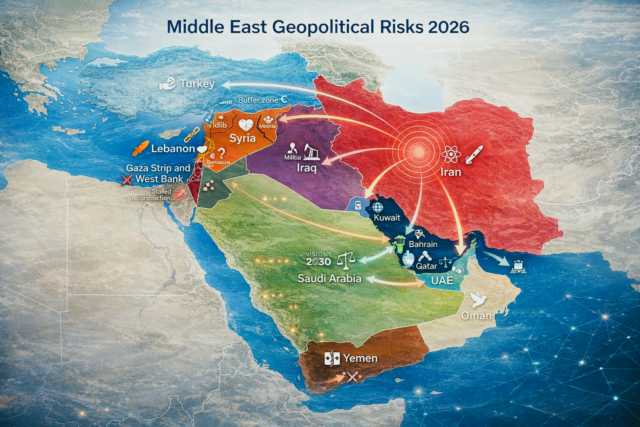
Global insurance markets are undergoing a fundamental shift. They were once seen as purely technical. Now, they serve as potent instruments of statecraft. States increasingly manipulate **Geopolitical Risk Insurance**. This re-routes international trade and investment. It steers commerce away from exposed regions and industries.
This manipulation is a sophisticated form of economic warfare. It influences global commerce in profound ways. Understanding this dynamic is crucial for modern businesses and policymakers alike.
Insurance as a Geopolitical Lever
Insurance underpins complex international transactions. It mitigates unforeseen risks. These include risks in trade, investment, and infrastructure projects. However, state influence can transform this essential function.
States or state-aligned entities can control coverage availability. They also impact its cost. This transforms insurance into a powerful geopolitical lever.
This weaponization is often subtle. It manifests through market signals or regulatory pressures. Major global insurers and reinsurers often have significant state ties. Their risk interpretations become critical.
Weaponizing Geopolitical Risk Insurance: Key Mechanisms
The strategic manipulation of insurance markets uses specific mechanisms. These primarily involve denying coverage or imposing prohibitive costs. Both methods effectively deter economic activity in targeted areas.
Denial of Coverage: Exclusions and Withdrawals
Standard insurance policies contain various exclusions. These often include war, terrorism, civil unrest, or sanctions. States can influence the strict enforcement of these clauses. This is particularly true in regions under pressure.
For instance, insurers may withdraw war risk coverage. This happens for specific maritime routes during conflicts. It makes operations uninsurable.
Furthermore, insurers might proactively “de-risk” portfolios. They refuse new policies in high-risk regions. This can stem from concerns over future sanctions or asset expropriation.
Prohibitive Risk Premiums
Coverage may remain available in some instances. However, premiums for **Geopolitical Risk Insurance** can skyrocket. This reflects perceived risk. It can also be influenced by a desire to disincentivize activity.
War risk premiums for shipping in conflict zones, such as the Red Sea, have surged. This adds significant costs to supply chains. It makes certain routes economically unviable.
State influence can also reduce overall insurance capacity. This happens for specific regions or industries. Less capacity allows remaining providers to demand higher premiums. Therefore, market access becomes severely constrained.
The Far-Reaching Impact on Global Commerce
Manipulating **Geopolitical Risk Insurance** has measurable consequences. It reshapes global trade and investment patterns. Businesses face increased costs and operational hurdles.
Re-routing Trade and Supply Chains
Global logistics industries, like maritime shipping, feel direct effects. Increased insurance costs force shippers to seek longer routes.
This happened through the Suez Canal due to Red Sea attacks. It also occurred in the Black Sea during conflict. Consequently, freight costs rise, and transit times extend. This effectively redraws global trade geographies.
Deterring Investment and Fostering Divestment
Companies become reluctant to invest in exposed regions. Their assets, profits, or personnel cannot be adequately insured. This impacts energy, infrastructure, and manufacturing sectors.
It leads to capital flight. Furthermore, projects face delays. A significant chilling effect on foreign direct investment results.
Increasing Business Costs and Shifting Footprints
Elevated insurance costs erode profit margins. This makes certain ventures uncompetitive. Developing nations in exposed regions often suffer disproportionately. This can widen economic disparities.
States may also subtly encourage insurers. They make overseas operations more difficult to insure. This fosters “friend-shoring” or reshoring trends. It bolsters domestic industries and secures supply chains.
Read more about supply chain resilience here.
Intersection: Investing and National Security
The weaponization of insurance directly impacts investors. It also affects national security interests. Investors face heightened uncertainty and capital risks. They must carefully reassess portfolio exposures.
National security implications are profound. Critical infrastructure projects become vulnerable. Energy supply lines face disruption.
High-tech manufacturing, like semiconductor production, relies on stable global supply chains. When insurance becomes a weapon, these vital systems are exposed. Explore geopolitical risk assessment for investors.
The Amplifying Role of Reinsurance
Reinsurance markets are global in nature. This amplifies the weaponization effect. A few major reinsurers underpin much of the world’s primary insurance capacity. Influence at this level cascades through the entire market.
It affects countless primary insurers and their clients worldwide. This concentrated capacity makes reinsurance a sensitive point. It offers significant geopolitical leverage. Therefore, monitoring reinsurance trends is crucial for anticipating global shifts.
Conclusion
The strategic weaponization of global insurance is a sophisticated form of statecraft. It uses **Geopolitical Risk Insurance** as its primary tool. States control access to risk mitigation. They also dictate its cost.
This enables them to redraw the map of international trade and investment. Capital and commerce are channeled away from adversaries. They move towards preferred partners or safer havens. Understanding this dynamic is vital.
Businesses must navigate a fractured geopolitical landscape. Policymakers must anticipate and mitigate broad economic consequences. Discover insights into the future of global trade.
Want to stay ahead of evolving global risks? Download our exclusive ‘Geopolitical Risk Preparedness Guide’ today. It offers actionable strategies for your business and investments.