

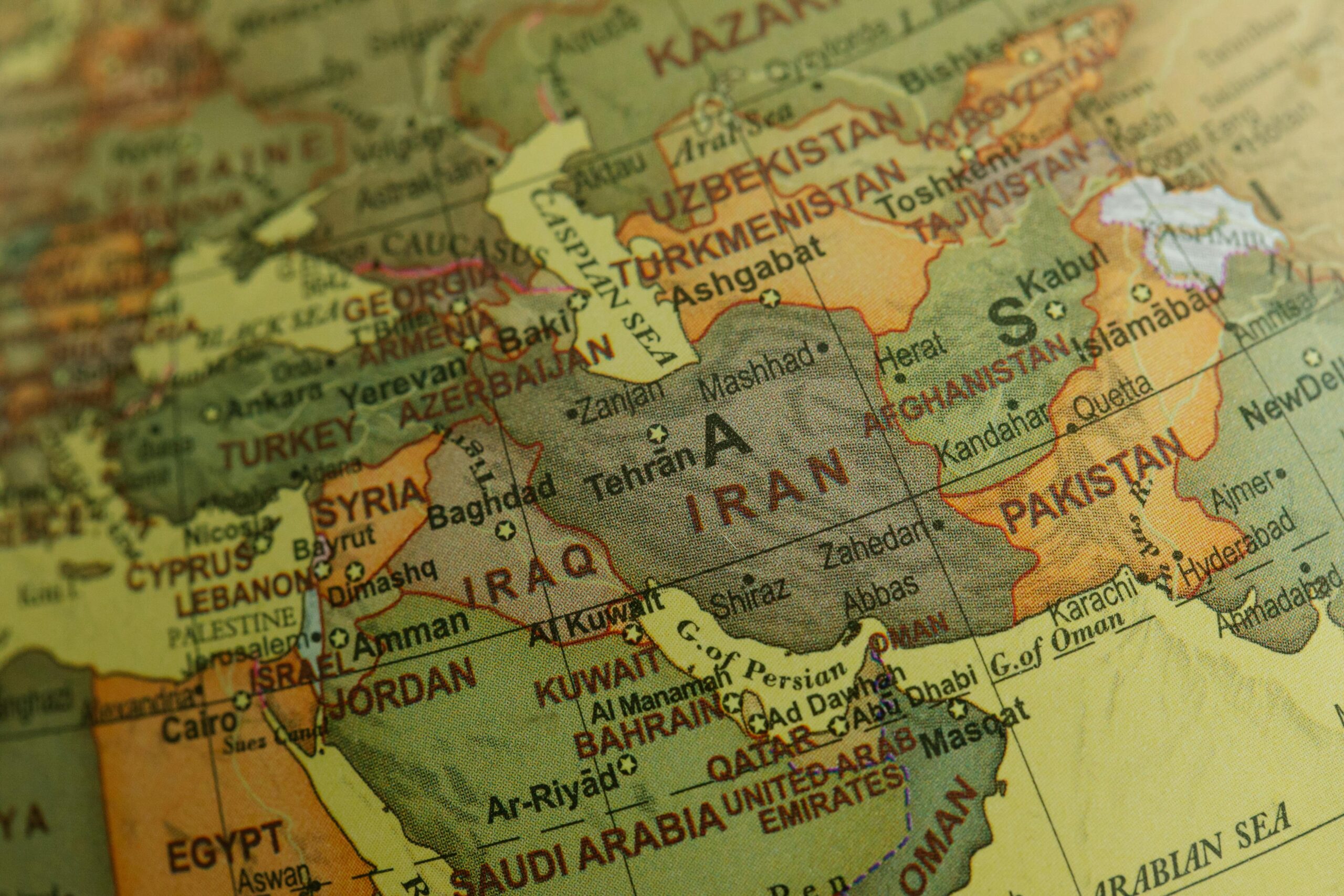
Executive Summary: The global landscape is undergoing a profound transformation, driven by an escalating US-Iran conflict and record oil prices. This confluence is not merely an economic shock but a fundamental reshaping of geopolitical power dynamics, exposing critical supply chain vulnerabilities across all sectors. This report delves into how international relations are fragmenting, the risk of conflict is rising, supply chains are under unprecedented strain, oil prices are weaponizing, and global trade policies are being fundamentally re-evaluated, offering insights into strategic imperatives for enterprise leaders in this volatile new era.
Key Takeaways:
- Heightened Geopolitical Instability: The US-Iran conflict is a critical flashpoint, escalating the risk of direct military confrontation and fragmenting international alliances, challenging Western-led security architectures.
- Supply Chain Existential Threat: The Strait of Hormuz conflict risk and soaring oil prices create an unprecedented threat to global energy and goods movement, demanding urgent shifts towards resilience and localization.
- Oil as a Power Lever: Record oil prices empower energy-exporting nations, shifting global power balances and imposing severe inflationary pressures and recession risks on importing economies.
- Protectionism and Bilateralism: Nations are increasingly adopting protectionist trade policies and pursuing strategic bilateral deals to secure vital resources, fragmenting global trade and challenging multilateral frameworks.
- Strategic Re-evaluation is Imperative: Enterprises must prioritize supply chain diversification, energy security, and agile risk management to adapt to a more volatile, fragmented, and security-focused global operating environment.
The Looming Storm: A Geopolitical Confluence
The global economy and geopolitical order are currently grappling with a potent, interconnected crisis. A cascading global energy and economic crisis, fueled directly by the escalating US-Iran conflict and the subsequent surge in oil prices, is fundamentally reshaping geopolitical power dynamics and exposing critical supply chain vulnerabilities worldwide. This macro trend represents not just a period of instability but a structural shift, demanding immediate attention and strategic recalibration from enterprise leaders. The immediate problem is a confluence of direct threats: diplomatic fragmentation, heightened conflict risk, and the weaponization of essential resources.
Escalating Tensions and Fragmented Diplomacy
The US-Iran conflict acts as a critical flashpoint, directly straining established international relations. Nations in the Middle East, particularly those bordering the Persian Gulf, find themselves navigating heightened security risks, compelling them to intensify diplomatic engagements with major powers while simultaneously seeking de-escalation pathways to protect their vital economic interests. This regional tension amplifies great power competition, with China and Russia strategically positioning themselves to secure energy resources and expand influence, potentially challenging existing Western-led security architectures. China, a major energy importer, will prioritize stability in the Strait of Hormuz, potentially increasing its naval presence or diplomatic leverage. Russia, conversely, gains increased geopolitical leverage through high oil prices, utilizing energy supply as a foreign policy tool. Multilateral institutions face increased pressure as nations prioritize national energy security and economic stability over collective action, leading to a more fragmented and less cooperative global diplomatic landscape.
The Shadow of Direct Conflict
The most immediate and concerning impact of this crisis is the elevated risk of a direct military confrontation stemming from the US-Iran conflict. Such an escalation would inevitably draw in regional and potentially global actors, triggering a broader conflict with catastrophic humanitarian, economic, and geopolitical consequences. The Strait of Hormuz, a critical maritime choke point through which a significant portion of the world’s oil transits, would become a central battleground, leading to severe disruptions. Beyond direct confrontation, the record oil prices, while exacerbating economic crises in importing nations, simultaneously provide increased revenue to certain oil-producing states and non-state actors. This financial windfall can be used to sustain or escalate ongoing proxy wars and internal conflicts—as seen in Yemen or Syria—or to fund illicit activities, further destabilizing already volatile regions. Conversely, the economic distress in energy-importing nations can fuel domestic unrest, protests, and even civil conflicts as populations face increasing costs of living and resource scarcity, creating a complex web of instability.
Cascading Crises: Amplifying Vulnerabilities and Shifting Power
The initial problem of geopolitical tension and conflict risk rapidly agitates into a series of cascading crises that expose deep-seated vulnerabilities within the global system. This agitation manifests as severe supply chain disruptions, the weaponization of energy, and widespread economic instability, fundamentally altering the global distribution of power and increasing systemic risks for enterprises worldwide.
Global Supply Chains Under Siege
The macro trend directly exposes and exacerbates critical supply chain vulnerabilities on an unprecedented scale. The threat of conflict in the Strait of Hormuz creates an existential risk to the global energy supply chain; any significant disruption would immediately halt a substantial portion of worldwide oil shipments, leading to unprecedented shortages and devastating price spikes. Beyond direct conflict, record oil prices translate into exponentially higher transportation costs across all modes – maritime, air, and ground freight. This increase permeates every layer of the global supply chain, from raw material sourcing and manufacturing to final distribution, making goods more expensive and less accessible. Energy-intensive industries, such as chemicals, steel, and cement, face crippling operational costs, leading to reduced output, production halts, or relocation pressures, creating ripple effects across downstream sectors. Furthermore, the agricultural supply chain is severely impacted, with higher costs for fertilizers (an energy-intensive production process), irrigation, and food transportation, directly threatening global food security and potentially triggering humanitarian crises on a vast scale.
Oil as a Geopolitical Weapon
Record oil prices are not merely an economic indicator but a fundamental geopolitical weapon and leverage point. They empower major oil-exporting nations, providing them with immense financial resources that can be translated into increased diplomatic influence, military spending, or economic aid to client states, thereby shifting the balance of power away from energy-consuming nations. Conversely, for oil-importing economies, record prices act as a massive inflationary force and a significant tax on consumers and industries, accelerating the risk of a global recession. This economic instability can lead to widespread social unrest and political upheaval, particularly in developing nations heavily reliant on energy imports. While theoretically incentivizing a long-term shift towards renewable energy, the immediate energy crisis often pushes nations to prioritize short-term energy security, potentially leading to increased investment in existing fossil fuel infrastructure or the depletion of strategic petroleum reserves, thereby delaying the crucial energy transition.
Economic Instability and Societal Unrest
The inflationary pressures from high oil prices ripple through economies, eroding purchasing power and increasing the cost of living. This economic instability is a powerful agitator of social unrest, particularly in nations with fragile economies or high public debt. Governments face difficult choices between subsidizing energy (at the expense of public finances) or allowing prices to rise (risking popular discontent). This creates a volatile environment for businesses, marked by unpredictable consumer demand, labor disruptions, and increased regulatory intervention. The confluence of economic hardship and geopolitical tension creates a fertile ground for political extremism and challenges to democratic governance, further complicating the operating environment for global enterprises.
Navigating the New Landscape: Strategic Imperatives for Resilience
In response to these escalating problems and agitated vulnerabilities, enterprise leaders must proactively implement strategic solutions focused on resilience, diversification, and adaptability. The current crisis demands a fundamental re-evaluation of long-held assumptions about globalization, supply chain efficiency, and energy security.
Rethinking Global Trade and Supply Chain Architectures
The cascading energy and economic crisis, coupled with the US-Iran conflict, is fundamentally reshaping global trade policies, necessitating a strategic response from enterprises. Nations facing energy shortages or economic instability are increasingly resorting to protectionist measures, including export controls on critical resources like energy, food, and raw materials, to secure domestic supplies. This can trigger retaliatory measures and further fragment global trade. For enterprises, this means a discernible shift towards bilateral energy deals and strategic trade alliances, as countries seek to secure long-term, direct access to vital resources, often bypassing multilateral trade frameworks. The existing US sanctions regime against Iran, a key component of global trade policy, becomes magnified in its impact during a period of record oil prices, further constraining global supply and contributing to market volatility. The vulnerabilities exposed by these crises are prompting a comprehensive re-evaluation of the benefits of globalized, just-in-time trade versus the imperative of national resilience and strategic independence. This necessitates policy shifts that favor localized production, supply chain diversification, and secure supply chains, even if at a higher cost. Enterprises must invest in advanced supply chain mapping, risk assessment tools, and multi-source strategies to mitigate single points of failure.
Energy Security and the Future of Diplomacy
For nations and enterprises alike, energy security has surged to the forefront of strategic priorities. This involves a dual approach: immediate diversification of energy sources and suppliers to reduce dependence on volatile regions, alongside accelerated investment in renewable energy infrastructure for long-term resilience. While the immediate crisis may temporarily push some towards increased fossil fuel production, the underlying imperative for a sustainable energy transition remains. Diplomatically, this new landscape will see nations prioritizing bilateral and regional energy compacts, potentially leading to new geopolitical blocs formed around resource access. Enterprises in the energy sector must navigate complex, rapidly evolving regulatory environments and carbon pricing mechanisms, while non-energy enterprises must consider their own energy footprints and strategies for securing stable, affordable power.
Enterprise Adaptations for a Volatile Era
To thrive in this increasingly volatile, fragmented, and security-focused global landscape, enterprises must adopt several key strategic adaptations. Firstly, risk management frameworks must evolve beyond traditional financial and operational risks to comprehensively integrate geopolitical and supply chain resilience factors. Scenario planning for various conflict and economic outcomes will be critical. Secondly, investment strategies should favor diversification across geographies and technologies, with a strong emphasis on localized production capabilities and robust inventory management, moving away from hyper-efficient but fragile just-in-time models. Thirdly, talent management must prioritize developing leaders with strong geopolitical acumen, cultural intelligence, and crisis management skills. Finally, digital transformation will be crucial for enhancing visibility across extended supply chains, enabling predictive analytics for disruption, and fostering agile decision-making. The current macro trend is not merely impacting the ‘Geopolitics & Conflict’ sector; it is profoundly redefining the global operating environment. Those enterprises that adapt swiftly, prioritizing resilience and strategic independence, will be best positioned to navigate the challenges and seize opportunities in this new era.