

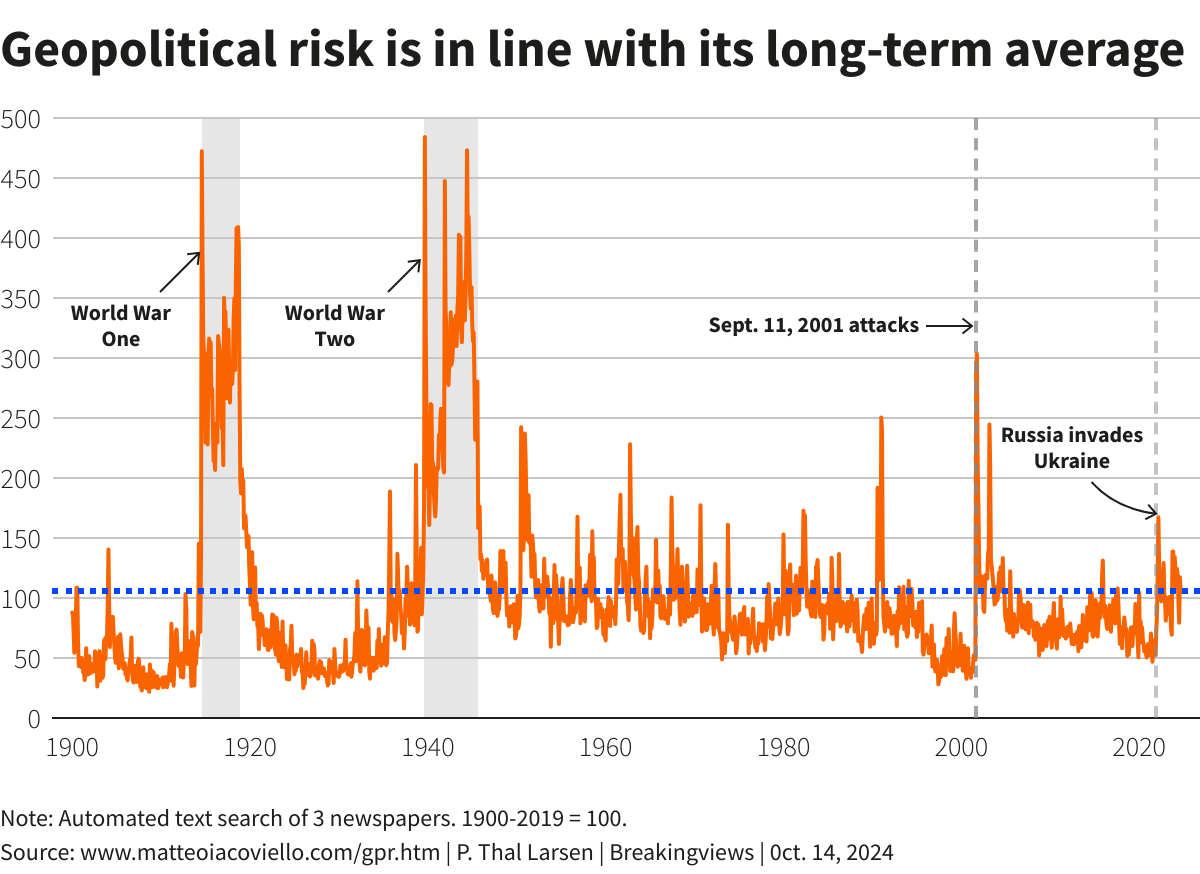
Executive Summary: The escalating US-Iran conflict has ignited a multifaceted Geopolitical Crisis, triggering a cascade of global ramifications that profoundly destabilize economies, reshape international relations, and pose complex challenges to global security and prosperity. Far from being a localized dispute, this protracted rivalry actively threatens critical global systems, most notably in energy markets and supply chains. This document explores the seven profound impacts of this crisis, from energy and supply chain disruptions to economic destabilization, shifting international relations, and the role of rapid technological shifts.
The escalating US-Iran conflict has ignited a multifaceted Geopolitical Crisis, triggering a cascade of global ramifications that profoundly destabilize economies, reshape international relations, and pose complex challenges to global security and prosperity. Far from being a localized dispute, this protracted rivalry actively threatens critical global systems, most notably in energy markets and supply chains. Understanding these interconnected dynamics is crucial for anticipating future challenges and developing resilient strategies in an increasingly volatile world.
I. The Nexus of Conflict and Consequence: A Global Ripple Effect
The tensions between the United States and Iran represent a critical flashpoint that extends its reach far beyond the Middle East. Occurring against a backdrop of rapid technological advancement, this conflict is not merely a regional issue but a catalyst for systemic global instability. From the price of oil to the availability of consumer goods, the ripple effects are felt across continents, demanding a comprehensive understanding of its various dimensions to navigate the perilous landscape it creates.
II. The Escalating US-Iran Conflict: A Persistent Flashpoint
The deep-seated animosity between the US and Iran, rooted in decades of historical grievances and geopolitical competition, has been significantly exacerbated by the 2018 US withdrawal from the Joint Comprehensive Plan of Action (JCPOA) and the subsequent “maximum pressure” campaign. Today’s dynamics are characterized by a dangerous interplay of direct confrontation, proxy warfare, and strategic maneuvering, each carrying the potential for rapid escalation:
- Nuclear Ambitions: Iran’s steady advancement in uranium enrichment, consistently nearing weapons-grade levels, fuels intense proliferation fears among the international community. This development significantly raises the stakes, intensifying calls for either robust diplomatic intervention or more coercive actions. The prospect of an Iranian nuclear weapon drastically alters regional power balances, potentially triggering a regional arms race and undermining global non-proliferation efforts.
- Regional Proxy Conflicts: Iran’s extensive network of proxies, including Hezbollah in Lebanon, Houthi rebels in Yemen, and various militias in Iraq and Syria, serves as a crucial tool for projecting power and directly challenging US and allied interests. The recent Houthi attacks on Red Sea shipping, for instance, are a stark manifestation of this proxy strategy, inflicting significant disruptions on global trade routes and demonstrating Iran’s capacity to destabilize vital maritime corridors without direct military engagement.
- Strait of Hormuz: This narrow waterway, through which an estimated 20-25% of global oil supply and a substantial portion of liquefied natural gas (LNG) transits, remains Iran’s primary strategic leverage. Threats to disrupt shipping or direct naval confrontations in this critical chokepoint underscore the immense economic vulnerability of the global economy to regional instability. Any significant incident here could trigger an immediate and unprecedented global energy crisis.
- Cyber Warfare: Both nations are active participants in a shadow war, engaging in sophisticated cyber espionage and attacks against critical infrastructure. This domain adds a new, often deniable, dimension to the conflict, allowing for deniable escalation and capable of producing tangible real-world effects, such as disrupting energy grids or financial systems, without direct military engagement.
- US Sanctions Policy: While designed to cripple Iran’s economy and compel behavioral change, the stringent sanctions have also been criticized for hardening Iran’s stance and inadvertently pushing it closer to strategic rivals like China and Russia. This complicates de-escalation efforts and fosters the development of alternative economic and security blocs, further fragmenting the international order.
This persistent state of low-intensity conflict is fraught with the risk of miscalculation, holding the potential for rapid and unpredictable escalation into a broader regional war with catastrophic global consequences.
III. Global Energy Crisis: The Chokepoint Effect
The US-Iran conflict directly threatens global energy security, primarily through its profound impact on international oil and natural gas markets. The interconnectedness of global energy systems means that instability in the Persian Gulf reverberates worldwide:
- Oil Market Vulnerability: The Strait of Hormuz is the world’s most critical oil transit chokepoint. Any significant disruption, blockade, or closure of this waterway would trigger an immediate and unprecedented global oil supply shock, sending crude prices soaring. Even minor incidents or credible threats lead to substantial “geopolitical risk premiums” being priced into Brent and WTI crude benchmarks, creating market volatility. Furthermore, a direct military confrontation would not only impact Iranian exports but also jeopardize oil and gas production facilities in neighboring Gulf states (e.g., Saudi Arabia, UAE) due to their proximity and interconnected infrastructure.
- Price Volatility & Inflation: Higher oil prices act as a direct and regressive tax on consumers and businesses globally, fueling cost-push inflation across all sectors. Increased transportation costs impact everything from food distribution to manufacturing inputs, exacerbating inflationary pressures and complicating monetary policy decisions for central banks worldwide, often forcing them to choose between tackling inflation and risking economic recession.
- Natural Gas Market Impact: Liquefied Natural Gas (LNG) shipments through the Strait of Hormuz and other regional routes face similar risks. Uncertainty surrounding these vital transit points deters long-term investment in new energy infrastructure, potentially tightening future global supply and leading to higher natural gas prices, particularly affecting energy-dependent industries and households in Europe and Asia.
- Energy Security Concerns: Nations heavily reliant on Middle Eastern energy imports are compelled to accelerate diversification strategies, tap into strategic petroleum reserves, or seek alternative, often more expensive, suppliers. This shift incurs higher energy costs, reduces economic competitiveness, and underscores the urgent need for greater energy independence and resilience.
IV. Severe Supply Chain Disruptions: Beyond Energy
The US-Iran conflict extends its disruptive reach far beyond energy, impacting global supply chains for a vast array of goods and critical components, creating bottlenecks and increasing costs throughout the international economy:
- Maritime Routes & Insurance:
- Red Sea/Bab-el-Mandeb: Houthi attacks, a direct proxy action aligned with Iran, have already forced major shipping lines to reroute vessels around the Cape of Good Hope, bypassing the economically vital Suez Canal. This adds weeks to transit times, significantly increases fuel consumption and operational costs, and delays the delivery of goods ranging from consumer electronics to agricultural products, creating widespread logistical challenges.
- Strait of Hormuz: A direct threat or closure of Hormuz would not only affect energy but also all cargo transiting to and from the Persian Gulf, impacting critical manufacturing inputs and finished goods for industries across Asia, Europe, and Africa. This would cripple trade for a region central to global commerce.
- Insurance Premiums: War risk premiums for vessels operating in the region have soared dramatically. These elevated costs are passed on to consumers, adding substantial financial burdens to global trade and making certain routes economically unviable for some carriers, further exacerbating supply chain pressures.
- Global Manufacturing & Logistics: Delays and increased costs in shipping cascade throughout complex global production networks. Industries reliant on just-in-time inventory management (e.g., automotive, electronics, pharmaceuticals) are particularly vulnerable to component shortages, production halts, and disruptions to their intricate supply ecosystems.
- Inflationary Pressure: The cumulative effect of higher shipping costs, elevated energy prices, and material shortages combines to fuel global inflation. This erosion of purchasing power contributes to a higher cost of living for households worldwide and can trigger social unrest in vulnerable economies.
- Food Security: The rising costs of energy, fertilizer (often derived from natural gas), and transportation directly impact agricultural production and the global distribution of food. This disproportionately affects vulnerable populations and can exacerbate existing food insecurity in developing nations.
V. Economic Destabilization: Ripples Across Global Markets
The multifaceted disruptions stemming from the US-Iran conflict fundamentally destabilize national and global economies, creating a climate of uncertainty that deters investment and stifles growth:
- Inflation and Monetary Policy: Persistent cost-push inflation from energy and supply chain shocks places central banks in a difficult position. They are often forced to choose between aggressive interest rate hikes that risk triggering a recession and allowing inflation to erode economic stability and household savings. This policy dilemma creates significant market uncertainty.
- Global Growth Deceleration: Higher energy prices act as a direct drag on economic activity, reducing consumer spending, increasing operational costs for businesses, and deterring corporate investment. Elevated geopolitical uncertainty further deters foreign direct investment (FDI) and capital expenditure, leading to downward revisions in global GDP forecasts by organizations like the International Monetary Fund (IMF World Economic Outlook) and the World Bank.
- Financial Market Volatility: Periods of heightened tension trigger “flight to safety” phenomena, driving capital into traditionally safe-haven assets like gold and US Treasuries. Conversely, stock markets, particularly in energy-intensive or trade-exposed sectors, often experience significant declines. Currency fluctuations add another layer of instability, impacting import/export costs, corporate earnings, and national balance sheets.
- Sovereign Debt Risks: Governments may face increased spending pressures (e.g., defense, energy subsidies, social welfare programs) while tax revenues decline due to slower economic growth. This dynamic can exacerbate national debt burdens, increase sovereign risk, and potentially lead to debt crises in already fragile economies.
VI. Destabilization of International Relations: Shifting Alliances and Regional Security
The US-Iran conflict profoundly reshapes regional and global diplomatic landscapes, intensifying existing rivalries and fostering new alignments:
- Regional Power Dynamics: The conflict intensifies the security dilemma for Gulf Cooperation Council (GCC) states, forcing them to meticulously balance their alignment with the US against potential de-escalation strategies with Iran. It also risks drawing in other regional actors, most notably Israel, potentially widening the conflict into a broader regional conflagration. Normalization efforts between Arab states and Israel, such as the Abraham Accords, could be complicated or, paradoxically, accelerated depending on the perceived immediacy of the threat from Iran.
- Great Power Competition: The conflict serves as a critical proxy battleground in the broader geopolitical competition between the US, China, and Russia. China and Russia’s growing economic and military ties with Iran complicate US diplomatic and sanctions strategies, creating new blocs and undermining multilateral efforts to address the crisis. This contributes to a more fragmented and confrontational international order.
- Erosion of International Norms: The persistent use of proxy forces, sophisticated cyber warfare, and explicit threats to international shipping lanes directly challenges established norms of sovereignty, non-intervention, and freedom of navigation. This contributes to a more anarchic international environment where traditional rules of engagement are increasingly disregarded, making global cooperation more difficult.
- Humanitarian Crises: Proxy conflicts, fueled by the US-Iran rivalry, exacerbate existing humanitarian crises in regions like Yemen, Syria, and Iraq. This leads to increased refugee flows, internal displacement, and long-term instability in neighboring states, placing immense strain on international aid efforts and contributing to regional fragility.
VII. Rapid Technological Shifts: A Double-Edged Sword in Instability
The ongoing technological revolution intersects with the US-Iran conflict in complex ways, acting as both an accelerant of instability and a potential avenue for resilience:
- Cyber Warfare: The conflict increasingly plays out in the cyber domain, where critical infrastructure (energy grids, financial systems, transportation networks) is a prime target for state-sponsored cyberattacks. These attacks amplify physical disruptions, create new vectors for escalation, and can have devastating economic and social impacts without a single shot being fired. Advanced Persistent Threats (APTs) and ransomware attacks are becoming sophisticated tools of statecraft.
- AI and Autonomous Systems: The proliferation of AI-powered drones, autonomous weapons systems, and AI-enhanced surveillance is fundamentally changing the nature of warfare. These technologies, used by both state and non-state actors in proxy conflicts, lower the barrier to entry for offensive operations and can significantly increase the speed, precision, and lethality of engagements, raising ethical and strategic dilemmas.
- Information Warfare: Rapid technological shifts facilitate sophisticated information warfare, including the use of AI-generated deepfakes, highly targeted propaganda, and coordinated disinformation campaigns. These tools are deployed to influence public opinion, sow discord, and exacerbate tensions both domestically and internationally, making it harder to discern truth from fabrication.
- Energy Transition vs. Geopolitical Reality: While the long-term imperative for energy independence drives investment in green technologies, the immediate Geopolitical Crisis reinforces reliance on fossil fuels, creating a significant policy dilemma for nations attempting to balance energy security with climate goals. Furthermore, the supply chains for critical minerals (e.g., lithium, cobalt, rare earths) essential for green tech remain vulnerable to geopolitical disruptions, potentially creating new chokepoints and dependencies.
- Space-Based Assets: Increasing global reliance on satellite navigation, communication, and surveillance makes these space-based assets potential targets or vulnerable to disruption. Such disruptions would impact not only military operations but also economic activities, daily life, and critical infrastructure across the globe.
The Enduring Threat of a Geopolitical Crisis
The escalating US-Iran conflict has metastasized into a multifaceted Geopolitical Crisis that profoundly impacts global energy, supply chains, economies, and international relations, all within a rapidly evolving technological landscape. This is not a static challenge but a dynamic and interconnected web of threats that demands urgent and coordinated attention. The intricate interplay of these factors creates a volatile environment where regional tensions can quickly translate into global instability.
VIII. Conclusion: Navigating a Perilous Landscape
Addressing this complex and evolving Geopolitical Crisis requires a comprehensive and multi-pronged approach. This must encompass proactive and sustained diplomacy to de-escalate tensions, robust contingency planning for energy and supply chain resilience to mitigate economic shocks, and careful, ethical management of emerging technologies to prevent further destabilization. International cooperation is paramount to safeguarding global prosperity and security. Failure to acknowledge and address these interconnected crises risks prolonged global instability, severe economic hardship, and a more fractured and perilous international order. Explore more insights on Middle East relations from the Council on Foreign Relations. For deeper dives into specific regional and global challenges, Explore The Vantage Reports.