

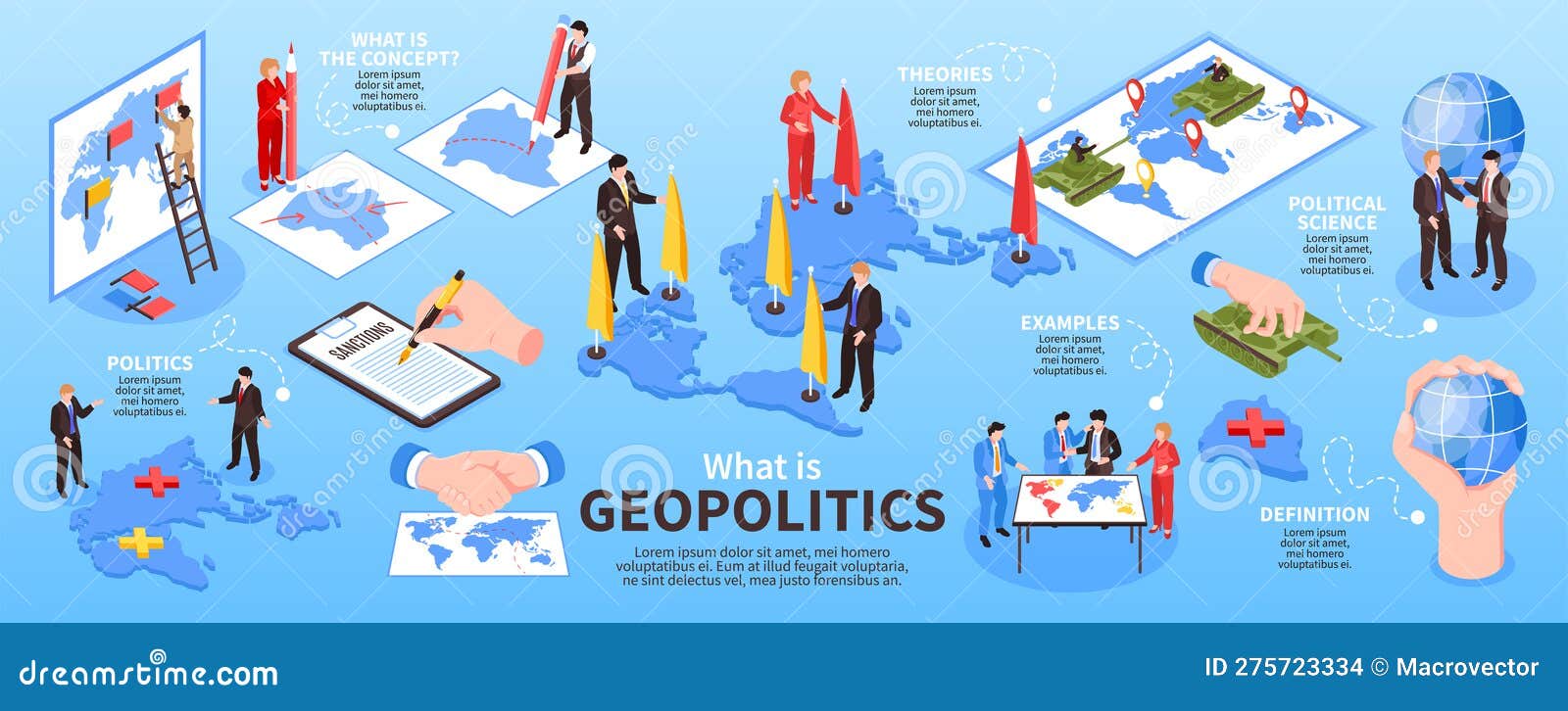
Executive Summary: The global economic landscape is undergoing a profound transformation, marking the dissolution of what was once perceived as a neutral operating environment. This pivotal shift represents the single biggest global disruption, where cross-border economic activity, once primarily driven by efficiency and market forces, is now inherently politicized and security-driven. The era of Economic Geopolitics has arrived, fundamentally reshaping trade, investment, technology flows, and supply chains, forcing nations and corporations to re-evaluate their strategies through a lens of national interest and strategic resilience rather than pure economic optimization.
1. The Dissolution of Economic Neutrality
For decades following the Cold War, the prevailing assumption was that increasing economic interdependence would foster peace and mutual benefit. This “neutral” environment encouraged unprecedented globalization, specialization, and the development of complex, interconnected supply chains, all operating under a largely rules-based international order. The current disruption signifies a decisive end to this era. Economic decisions are no longer insulated from geopolitical rivalries, ideological differences, or national security imperatives. Market access, investment flows, technology transfer, and even currency stability are increasingly viewed as tools or battlegrounds in a broader strategic competition. This breakdown of economic neutrality compels states to prioritize strategic autonomy and resilience over pure efficiency gains, leading to significant structural changes in global commerce.
2. The Politicization of Cross-Border Activity
The weaponization of economic tools has become a defining characteristic of this new era of Economic Geopolitics, fundamentally altering the calculus of international commerce. This shift impacts every facet of global business, demanding a more nuanced and politically aware approach.
- Trade as a Weapon: Tariffs, sanctions, and export controls are no longer just economic policy tools; they are instruments of statecraft. Recent examples include the extensive US-China trade war, sweeping sanctions against Russia following its invasion of Ukraine, and restrictions on critical technologies like advanced semiconductors. Market access can be granted or denied based on geopolitical alignment, forcing companies to choose sides or face punitive measures. This creates significant uncertainty for multinational corporations.
- Investment Screening: Foreign direct investment (FDI) is now rigorously scrutinized for national security implications, particularly in sensitive sectors such as critical infrastructure, cutting-edge technology, and defense-related industries. States are implementing stricter review mechanisms to prevent hostile takeovers, intellectual property theft, or technology transfer to strategic rivals. This has led to a more cautious approach to cross-border capital flows.
- Supply Chain Reshaping: The relentless pursuit of efficiency has given way to the imperative of resilience and security. Nations are actively seeking to “de-risk,” “reshoring,” or “friend-shore” critical supply chains (e.g., semiconductors, rare earths, medical supplies, energy) to reduce dependence on potential adversaries. This often means higher costs and less optimal production locations but is deemed necessary for national security. This trend is leading to a fragmentation of global production networks, as highlighted by discussions at the World Economic Forum.
- Technological Sovereignty: Access to advanced technologies (AI, quantum computing, biotechnology, 5G, advanced manufacturing) is seen as a determinant of future economic and military power. States are investing heavily in domestic capabilities, restricting technology exports, and imposing controls on data flows to protect national interests and gain strategic advantage, leading to a fragmented global tech ecosystem and intense competition for innovation.
3. The Security-Driven Economy
National security considerations now permeate economic decision-making across virtually all sectors, blurring the lines between purely economic and strategic policy. This integration is reshaping industrial policy and international cooperation.
- Critical Infrastructure Protection: Investments in areas like energy grids, telecommunications networks, digital infrastructure, and ports are heavily influenced by security concerns. This often favors domestic or allied providers and involves rigorous scrutiny of foreign ownership or involvement to prevent vulnerabilities.
- Data Security and Sovereignty: The vast amounts of data generated globally are recognized as strategic assets. Regulations like GDPR and emerging data localization laws reflect a desire to control data within national borders, driven by privacy, surveillance, and economic competitiveness concerns. These regulations often create significant barriers to seamless cross-border data flows, impacting global businesses.
- Military-Industrial Complex Expansion: Geopolitical tensions fuel increased defense spending, which in turn stimulates innovation and production in related industries. This creates robust economic ecosystems tied directly to national security needs, influencing R&D priorities and industrial policy, and fostering a closer relationship between state and industry.
- Cybersecurity as an Economic Imperative: The constant threat of state-sponsored cyberattacks on economic infrastructure, intellectual property, and financial systems makes cybersecurity a top economic priority. Significant investment in cyber defense, and paradoxically, both international cooperation and competition in cyber capabilities, are now hallmarks of the security-driven economy.
Economic Geopolitics in Action: Impact on Businesses and States
The ramifications of this new geopolitical reality are profound for both private enterprises and national governments.
- For Businesses: Multinational corporations face heightened political risk, complex and often contradictory regulatory environments, and increased supply chain vulnerabilities. They must navigate conflicting demands from different governments, leading to difficult choices regarding market access, technology development, and investment locations. The traditional “global company” is under immense pressure to become a “national champion” in multiple jurisdictions, or even be forced to divest from certain markets. This demands a new level of geopolitical literacy and agility from corporate leadership.
- For States: The trend encourages a resurgence of industrial policy, protectionism, and strategic state intervention in the economy. Nations are actively building domestic capabilities, subsidizing key industries, and using economic leverage to achieve foreign policy objectives. This often leads to a less efficient but potentially more resilient and strategically aligned global economy. The concept of “weaponized interdependence,” where states use their central positions in global networks (e.g., control over payment systems, critical resources, or technology chokepoints) to exert power, becomes more prevalent, as extensively analyzed by think tanks like the Council on Foreign Relations.
To understand the full scope of these transformations and their implications, Explore The Vantage Reports.
4. Key Drivers of Economic Geopolitics
Several interconnected forces are propelling the world into this new era of intensified economic competition and strategic alignment.
- US-China Strategic Rivalry: The fundamental competition for technological, economic, and military supremacy between the world’s two largest economies is the primary catalyst. This rivalry drives decoupling efforts, the formation of competing economic blocs, and the establishment of distinct technological standards, profoundly impacting global trade and innovation.
- Russia-Ukraine War: This conflict starkly demonstrated the willingness of major powers to weaponize energy, finance, and trade on an unprecedented scale. It accelerated trends towards supply chain diversification, energy security, and the politicization of global commodity markets, forcing a rapid re-evaluation of dependencies.
- Technological Race: The race for dominance in critical and emerging technologies (AI, semiconductors, biotech, quantum computing) is inherently a geopolitical contest. Technological leadership translates directly into economic strength, military advantage, and national resilience, making it a zero-sum game for many nations.
- Climate Change and Resource Scarcity: While often framed as an environmental issue, climate change introduces new security risks (resource conflicts, mass migration, energy transitions) and economic opportunities (green tech race). These are increasingly viewed through a geopolitical lens, influencing investment, trade policies, and international alliances.
Conclusion: Navigating the New Normal of Economic Geopolitics
The shift to an era of Economic Geopolitics is not a temporary fluctuation but a fundamental reordering of the global system. The dissolution of a neutral economic operating environment means that every cross-border transaction, every investment decision, and every technological advancement is now viewed through the prism of national interest, security, and strategic competition. Understanding the dynamics of Economic Geopolitics is therefore paramount for policymakers, business leaders, and citizens alike.
This new reality demands adaptive strategies from businesses and states, prioritizing resilience, strategic autonomy, and geopolitical alignment over pure economic efficiency. The global economy is becoming more fragmented, less predictable, and potentially less efficient, yet it is also being reshaped to be more resilient and strategically robust in an increasingly contested world of Economic Geopolitics. The challenge lies in managing these inherent tensions to prevent a complete unraveling of global economic cooperation while adapting to the undeniable reality of politicized and security-driven economic activity.