

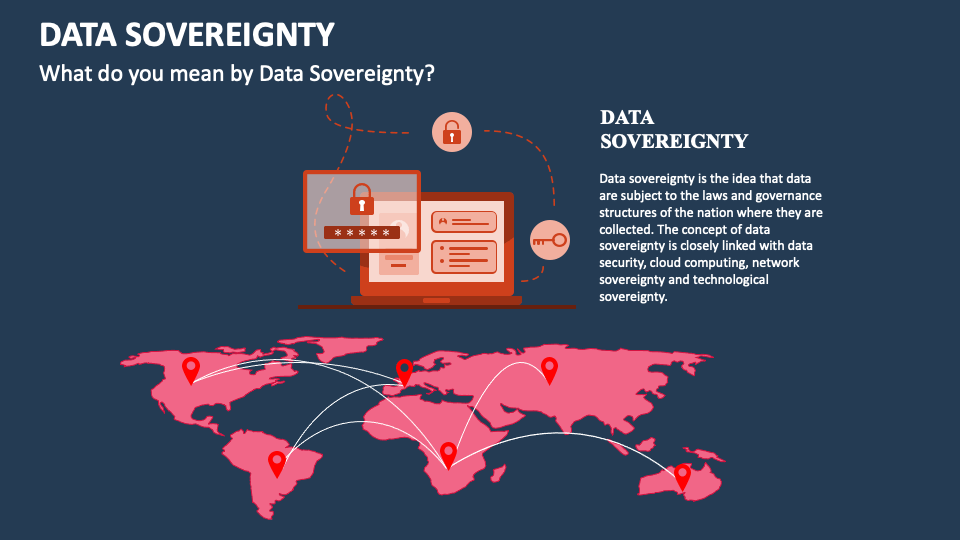
Executive Summary: The global enterprise software and data architecture landscape is undergoing a profound transformation, driven by an explosion of Data Sovereignty M&A activity. This surge is a direct response to a fragmented regulatory environment and stringent data protection mandates worldwide, forcing multinational corporations (MNCs) to strategically disaggregate their global data operations. This report explores the financial re-rating of firms specializing in geo-fencing, regulatory compliance, and localized data solutions, detailing the intensified M&A spree among strategic and financial buyers. We uncover the key technologies driving these acquisitions and outline the strategic implications for global businesses, investors, and the broader technology market as they navigate an increasingly regulated digital world.
The landscape of global enterprise software and data architecture is currently undergoing a transformative period, marked by significant Data Sovereignty M&A activity driven by an increasingly fragmented regulatory environment. Multinational corporations (MNCs) worldwide are grappling with a complex web of digital trade regulations and privacy mandates, compelling them to strategically disaggregate their global operations. This imperative is fueling a substantial financial re-rating and intensified merger and acquisition (M&A) spree within the sector, particularly for firms specializing in geo-fencing, regulatory compliance, and localized data sovereignty solutions. The ability to navigate these intricate legal and operational landscapes has become a critical differentiator, shaping market access, competitive advantage, and investor confidence.
This surge in Data Sovereignty M&A is not merely a fleeting trend but a fundamental shift in how global businesses manage their most valuable asset: data. As governments worldwide assert greater control over the digital information generated and processed within their borders, the demand for sophisticated, location-aware data management strategies has skyrocketed. Companies that can provide these specialized solutions are no longer just vendors; they are becoming indispensable strategic partners.
The Fragmented Global Digital Landscape: A Catalyst for Change
The primary driver behind the current market dynamics is the profound fragmentation of global digital regulations. What began with the European Union’s General Data Protection Regulation (GDPR) has proliferated into a global phenomenon, with countries enacting their own stringent data protection and digital trade laws. Brazil’s LGPD, India’s DPDP Act, California’s CCPA/CPRA, and China’s PIPL, CSL, and DSL are just a few examples of the diverse and often conflicting mandates that dictate where data must be stored, how it can be processed, and under what conditions it can be transferred across borders. These data localization and sovereignty requirements create significant challenges for MNCs accustomed to centralized, global data infrastructures.
For MNCs, the historical pursuit of operational uniformity is no longer viable. The current regulatory climate necessitates a granular approach, forcing companies to disaggregate data operations and create distinct processing and storage environments tailored to specific jurisdictional requirements. This involves segmenting customer data, transactional records, and operational intelligence based on geographic origin and the corresponding regulatory obligations. Beyond legal compliance, geopolitical tensions and the desire for supply chain resilience further amplify the need for distributed and sovereign data management, reducing reliance on single points of failure in global data infrastructures. The financial and reputational risks of non-compliance are severe, with penalties reaching up to 4% of global annual turnover under GDPR, making proactive risk management solutions an absolute necessity.
The Financial Re-rating Phenomenon: Valuing Indispensability
Firms specializing in data sovereignty, geo-fencing, and compliance are experiencing a significant uplift in valuation multiples, a clear reflection of their newfound strategic indispensability. This re-rating is driven by several key factors:
- Increased Demand Velocity: There is a demonstrable and accelerating demand from a wide spectrum of MNCs across diverse industries, including financial services, healthcare, retail, technology, and manufacturing. These solutions are no longer optional but essential for continued global operations.
- Strategic Indispensability: Data sovereignty solutions have transitioned from “nice-to-haves” to critical infrastructure. They enable MNCs to maintain market access and avoid severe penalties, positioning these firms as high-value, strategic assets.
- High Switching Costs & Stickiness: Once integrated, these specialized solutions become deeply embedded within an MNC’s operational fabric. The complexity of migrating data architectures and compliance frameworks leads to high customer retention rates and predictable recurring revenue streams.
- Scarcity of Expertise: The specialized nature of these solutions, which often requires a unique blend of legal, technical, and geographic expertise, creates significant barriers to entry for new competitors. This scarcity elevates the value of existing players with proven track records and proprietary technologies.
Intensified M&A Activity: Who’s Buying and Why?
The M&A landscape for data sovereignty solutions is characterized by fierce competition among both strategic and financial buyers. The race is on to acquire capabilities that can help global enterprises navigate the labyrinth of international data laws.
Acquirers:
- Large Enterprise Software Vendors: Major players like Salesforce, SAP, Oracle, Microsoft, and IBM are actively acquiring to bolster their compliance offerings, integrate localized data capabilities into their core platforms, and offer comprehensive, end-to-end solutions to their global client base.
- Cloud Service Providers (CSPs): AWS, Azure, and Google Cloud are making strategic acquisitions to enhance their sovereign cloud offerings. This allows them to provide customers with sophisticated tools to manage data across various jurisdictional requirements directly within their cloud ecosystems.
- Private Equity & Venture Capital: Recognizing the fundamental shift and long-term growth potential, PE firms are investing heavily, consolidating, and scaling these niche players to create market leaders.
- Consulting & System Integrators: Firms such as Accenture, Deloitte, and Capgemini are acquiring specialized capabilities to offer more comprehensive data strategy, implementation, and managed services to their MNC clients, positioning themselves as trusted advisors in this complex domain.
Target Firms:
Typically, the targets are smaller to medium-sized enterprise software and data architecture companies with proven technologies in:
- Geo-fencing for Data Access/Processing: Solutions that automatically restrict or permit data access and processing based on the user’s or data’s geographic location.
- Regulatory Compliance Platforms: Software that maps data flows to specific regulatory requirements, automates compliance checks, and generates robust audit trails.
- Localized Data Sovereignty Tools: Technologies for data residency management, data tokenization/anonymization for cross-border transfers, and sovereign cloud connectors.
- Privacy-Enhancing Technologies (PETs): Solutions that enable computation on encrypted data or provide granular consent management aligned with regional laws.
The deal rationale is clear: acquisitions are primarily driven by the need for rapid capability expansion, swift market share capture in a burgeoning segment, and the integration of critical technology stacks to meet evolving client demands.
Key Technologies Driving Data Sovereignty M&A
The strategic importance of Data Sovereignty M&A is underscored by the specialized technologies and solutions that are central to these transactions. These innovations form the backbone of compliant global data operations:
- Data Residency & Localization Platforms: These tools ensure that data storage and processing occur strictly within specific geographic boundaries, as mandated by local laws. They are fundamental for sectors like finance and healthcare where data localization is non-negotiable.
- Dynamic Geo-fencing & IP Geolocation Services: For real-time enforcement, these services control data access, application functionality, and content delivery based on the user’s or data’s precise geographic location, preventing unauthorized access or processing across borders.
- Cross-Border Data Transfer Frameworks: Software solutions that facilitate compliant data transfers using mechanisms like Standard Contractual Clauses (SCCs), Binding Corporate Rules (BCRs), or localized consent management, crucial for international data flows. For more on the foundational principles guiding data protection in the EU, refer to the European Commission’s GDPR guidelines.
- Unified Compliance Dashboards: Centralized platforms that provide real-time visibility into an MNC’s global data estate and its compliance posture against multiple, often conflicting, regulatory frameworks. These dashboards are essential for proactive risk management.
- Data Discovery & Classification for Sovereignty: AI/ML-driven tools that identify, classify, and tag sensitive data across an enterprise, linking it directly to specific jurisdictional requirements and ensuring appropriate handling.
Strategic Implications and The Road Ahead
The implications of this trend are profound and far-reaching. For MNCs, the ability to effectively navigate the complexities of data sovereignty and compliance will be a key differentiator, directly impacting market access, competitive advantage, and investor confidence. Failure to adapt risks significant operational disruption, hefty financial penalties, and severe reputational damage.
For the broader technology market, this niche is rapidly expanding into a mainstream, high-growth segment, driving innovation in privacy-enhancing technologies, distributed data architectures, and automated compliance solutions. This creates a fertile ground for startups and established players alike to develop cutting-edge solutions.
For investors, the sector presents compelling opportunities characterized by high growth, strategic value, and strong exit potential through M&A. The sustained demand ensures that investments in this area are likely to yield significant returns. Keeping an eye on global M&A trends provides valuable insights into this evolving landscape; explore more at Reuters Deals.
The outlook is clear: the trend of diverging digital trade and privacy mandates is expected to intensify, not recede. This will guarantee sustained and accelerating demand for enterprise software and data architecture firms offering specialized geo-fencing, regulatory compliance, and localized data sovereignty solutions. Consequently, the financial re-rating and intensified Data Sovereignty M&A activity in this critical segment are poised to continue, fundamentally shaping the future of global enterprise data management. Businesses that embrace this shift will thrive, while those that lag risk being left behind in an increasingly regulated digital world.
Explore The Vantage Reports for more in-depth analysis on critical market trends.