

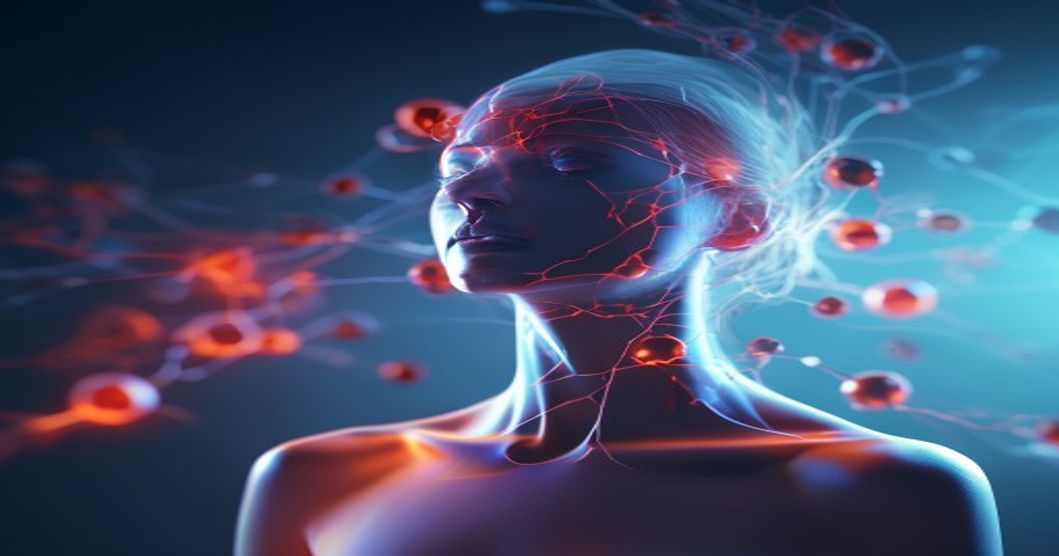
The future of pain management is here. It moves beyond simply treating symptoms. We now embrace a profound shift towards Cellular Pain Reprogramming.
This innovative approach targets pain at its root. It combines advanced diagnostics with personalized treatments. We aim to fundamentally alter how cells process and remember pain.
This integrated strategy promises to make traditional painkiller dependency a relic of the past. It focuses on true healing and long-term relief.
Diagnostic Compass: Epigenetics & Biomarkers
Precision is paramount in this new paradigm. We begin by mapping an individual’s unique molecular landscape. Epigenetic profiling is key.
This process examines inheritable changes in gene expression. It does not alter the underlying DNA sequence. Instead, it reveals the cell’s “software.”
Techniques like whole-genome bisulfite sequencing (WGBS) identify specific epigenetic marks. These marks link to chronic pain states and inflammation. They also indicate impaired regenerative capacity.
Simultaneously, advanced biomarker analysis provides real-time indicators. We analyze circulating molecules. These include proteins, metabolites, and exosomes.
Specific miRNA signatures, for example, correlate with neuropathic pain. They also indicate inflammatory arthritis. Inflammatory cytokines offer a snapshot of the tissue microenvironment.
Pinpointing Pain Signatures
These powerful diagnostic tools offer clear advantages. They help us identify specific pain signatures. We pinpoint epigenetic alterations and biomarker patterns.
These patterns predispose individuals to chronic pain. They can also maintain a sensitized pain state. This might involve upregulated pro-nociceptive genes.
Furthermore, we assess regenerative potential. This evaluates the cell’s readiness for repair. We identify epigenetic blocks or biomarker deficits hindering optimal healing.
Consequently, we can stratify patients. Individuals are categorized by their unique molecular profiles. This allows for truly individualized therapeutic strategies.
Targeted Mechanotransduction Therapies
Cells constantly respond to mechanical stimuli. Mechanotransduction is this intricate process. It converts physical forces into biochemical signals.
These signals influence gene expression and cellular behavior. Targeted mechanotransduction therapies leverage this principle. They directly influence cellular epigenetics and function.
Focused Shockwave Therapy delivers controlled acoustic waves. It stimulates cellular repair mechanisms. It also promotes angiogenesis and modulates pain receptors.
Low-Intensity Pulsed Ultrasound (LIPUS) applies mechanical energy. It enhances bone fracture healing and cartilage repair. Nerve regeneration also benefits.
LIPUS influences cell proliferation and differentiation. This occurs partly through epigenetic regulation. Targeted Vibration Therapy also plays a role.
Specific frequencies and amplitudes can reduce inflammation. They improve circulation. This potentially alters gene expression related to pain and regeneration.
Certain skilled manual therapies induce cellular responses. These may modulate local tissue epigenetics. They also reduce pain sensitization.
The precise application of these forces is data-driven. It is guided by an individual’s epigenetic and biomarker profile. This aims to “reset” cellular programming effectively.
Personalized Exercise: Bio-Individualized Movement
Exercise is a potent mechanical stimulus. It profoundly impacts cellular behavior. It also influences gene expression and systemic physiology.
We move beyond generic recommendations. Personalized exercise prescriptions are tailored. They utilize epigenetic and biomarker data.
This approach involves data-driven prescription. The specific type, intensity, and duration of exercise are optimized. They align with an individual’s epigenetic pain signature.
An individual with an inflammatory epigenetic profile might receive low-impact exercises. These might include specific eccentric loading patterns. Another with impaired collagen synthesis could receive higher-load resistance training.
Optimizing mechanical load is crucial. We understand how exercises generate specific forces. This allows for precise cellular targeting.
Eccentric loading, for example, induces unique mechanobiological responses. These are vital for tendon repair. Epigenetic markers further optimize this.
Furthermore, exercise influences systemic inflammation and neuroplasticity. Personalized prescriptions consider these systemic effects. Biomarker analysis guides their contribution to reprogramming pain memory.
Reprogramming Cellular Pain Memory
The ultimate goal is to reprogram cellular pain memory. Chronic pain often involves maladaptive neuroplasticity. Cells become “sensitized” or “remember” pain.
This memory is frequently encoded epigenetically. It leads to sustained expression of pro-nociceptive genes. It also suppresses analgesic pathways.
Cellular pain reprogramming aims to reverse these maladaptive epigenetic marks. Targeted mechanotransduction and exercise induce specific modifications. This shifts cells towards a homeostatic, regenerative phenotype.
This might involve demethylating genes. These genes suppress endogenous opioid production. It could also mean acetylating histones. This opens chromatin for anti-inflammatory gene expression.
We also modulate glial cell activation. Glial cells are critical in central sensitization. Reprogramming efforts target epigenetic mechanisms driving their activation. This reduces their contribution to persistent pain.
Restoring neuronal plasticity is another objective. Influencing the epigenetic landscape of neurons normalizes synaptic plasticity. It reduces hyperexcitability, effectively “erasing” maladaptive pain memories.
Consequently, we enhance cellular resilience. This builds stability against future pain triggers. We establish a stable, anti-inflammatory, and regenerative epigenetic state.
Beyond Pain Relief: Optimizing Tissue Regeneration
This approach offers more than pain reduction. It actively fosters optimal tissue regeneration. The same principles that reprogram pain memory guide cells towards repair.
We stimulate stem cell activity. Epigenetic modulation and mechanical stimuli activate resident stem cells. They direct differentiation towards desired tissue types. This includes cartilage, bone, or connective tissue.
Furthermore, we enhance Extracellular Matrix (ECM) remodeling. Proper mechanical loading and epigenetic cues are crucial. They ensure synthesis and organization of a healthy ECM. This provides structural integrity.
We also improve angiogenesis and neurogenesis. Reprogramming promotes new blood vessel growth. This supplies nutrients and removes waste.
It also facilitates nerve regeneration. This restores proper innervation and reduces neuropathic pain.
The Daily Health Intersection of Cellular Pain Reprogramming
Chronic pain profoundly impacts daily life. It diminishes productivity. It affects mental well-being. It restricts physical activity. Cellular Pain Reprogramming offers a path to reclaiming these aspects.
Imagine waking without persistent discomfort. Envision engaging in hobbies once forsaken. This approach means improved sleep, better mood, and enhanced focus. It restores the simple joys of an active life.
This translates to fewer sick days. It means greater participation in family activities. It supports a return to work or sustained productivity. Ultimately, it means a significantly higher quality of life for millions.
Ending Painkiller Dependency
The long-term vision is clear. We aim to fundamentally alter chronic pain’s trajectory. This minimizes and eventually eliminates the need for traditional painkillers.
Opioids and long-term NSAIDs carry significant risks. These include dependency and severe side effects. Our approach addresses pain’s cellular underpinnings.
This offers sustainable pain relief. It stems from restored biological function. It does not merely mask symptoms. This results in a significant decrease in pharmacological burden.
Improved quality of life follows. Individuals return to active living. They are free from chronic pain’s shadow. They are also free from medication side effects.
This represents a transformative shift in public health. It directly tackles the opioid crisis. It also alleviates the immense economic burden of chronic pain.
While challenges remain, the promise is immense. We are developing more accessible diagnostic tools. We are refining targeted therapeutic delivery. Artificial intelligence will interpret complex data.
This accelerates our journey. A future where personalized Cellular Pain Reprogramming is standard care is within reach.
Understand how these breakthroughs can impact your future. Download our exclusive Pain Reprogramming Blueprint.
Further Reading:
- Advances in Regenerative Medicine
- Understanding Epigenetics: The Future of Health
- The Opioid Crisis: Exploring New Solutions