

Executive Summary
Global geopolitical tensions have sharply intensified in 2026, with multiple flashpoints raising concerns over a broader conflict scenario. Escalations in the Middle East, ongoing Eastern European instability, and strategic realignments in Asia are collectively reshaping global power dynamics. The immediate consequences are being felt in energy markets, supply chains, and financial systems worldwide.
Latest War Developments (March 2026)
Middle East Escalation
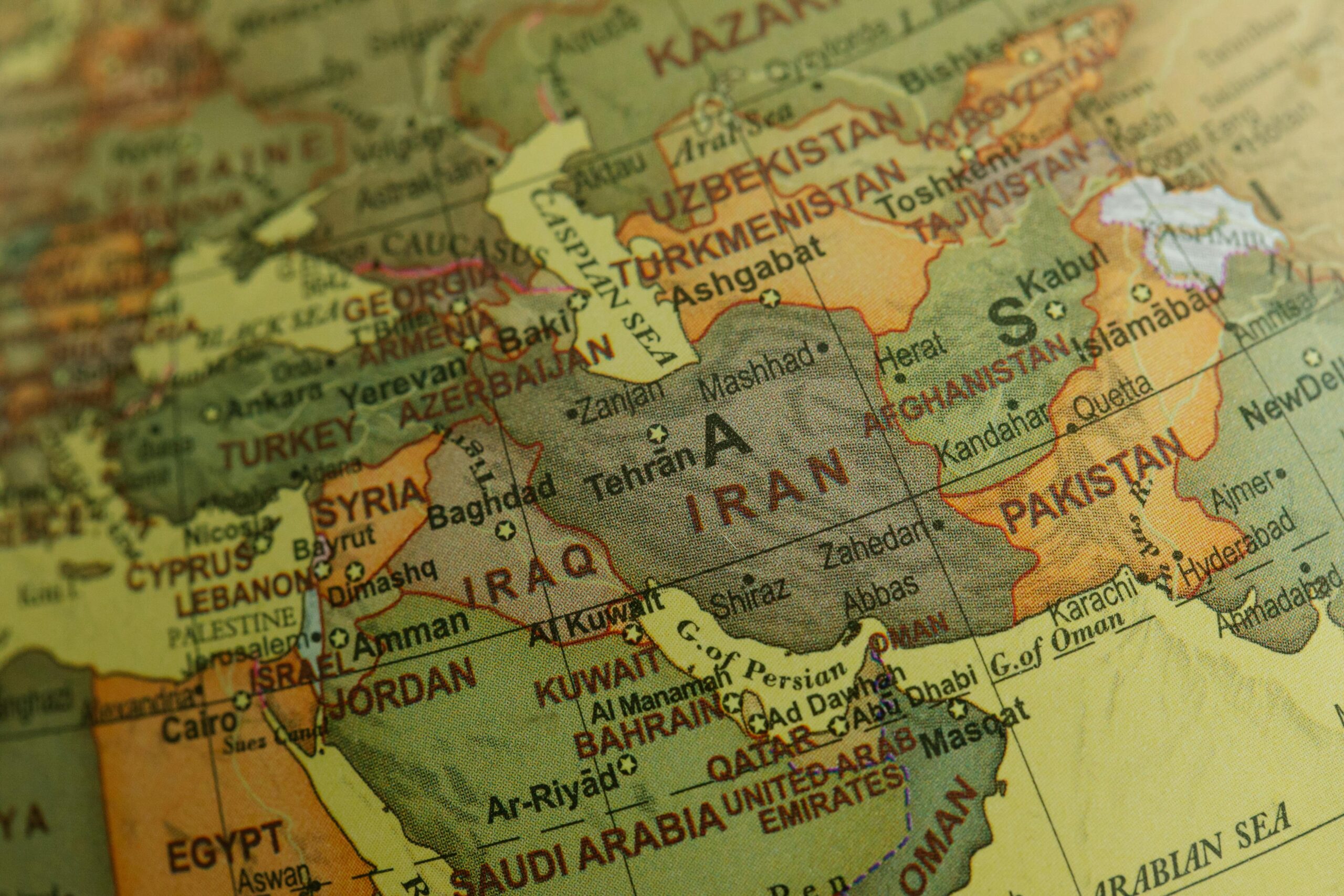
Recent developments indicate heightened tensions involving Iran, Israel, and US-aligned forces. Increased military posturing in the Strait of Hormuz has raised fears of disruptions in global oil supply routes.
Eastern Europe Situation
The conflict in Eastern Europe remains unresolved, with continued military activity and economic sanctions influencing global trade and energy flows.
Asia-Pacific Strategic Movements
Rising military exercises and defense alliances in the Asia-Pacific region signal growing geopolitical competition, particularly involving major global powers.
Impact on Global Energy Markets
The most immediate impact of rising tensions is visible in the energy sector:
- Oil Prices Surge: Crude oil prices have shown volatility due to fears of supply disruption.
- Supply Chain Risks: Key shipping routes face potential blockades or delays.
- Energy Security Concerns: Countries are increasing reserves and diversifying energy sources.
Economic and Market Reactions
Global markets are responding cautiously:
- Stock markets show increased volatility
- Investors shifting towards safe-haven assets (gold, USD)
- Inflation risks rising due to energy price spikes
Strategic Implications
The current situation suggests a shift toward:
- Regional economic blocs
- Reduced globalization
- Increased defense spending
- Strategic resource control
Key Takeaways
- Global tensions are at one of their highest levels in recent years
- Energy markets remain the most vulnerable sector
- Investors should monitor geopolitical developments closely
- Long-term economic structures may undergo significant change
Conclusion
The evolving global conflict landscape in 2026 is not a single-region issue but a multi-dimensional geopolitical shift. As tensions escalate, their impact will extend beyond military domains into economic stability, energy security, and global trade structures. Staying informed and strategically aware will be critical for businesses and policymakers navigating this uncertain environment.