

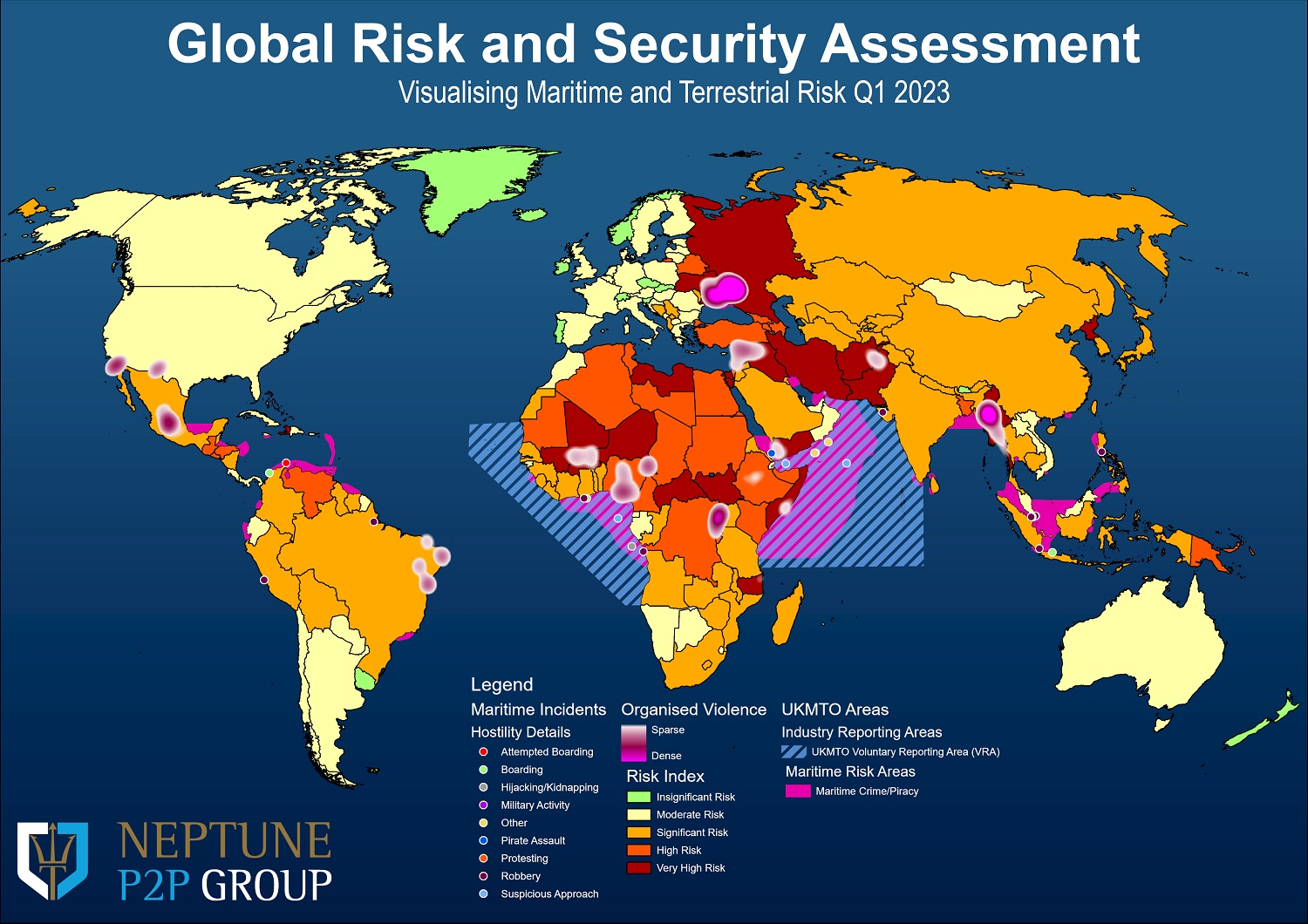
Executive Summary: Space Maritime Security is rapidly becoming the cornerstone of global energy resilience in an era defined by profound geopolitical shifts. The escalating US-Iran conflict, particularly its implications for vital global energy flows and trade routes, serves as a potent catalyst for nations worldwide to fundamentally re-evaluate and transform their maritime power projection strategies. This critical transformation, driven by 7 game-changing innovations, is heavily reliant on the seamless integration of emerging space-based surveillance capabilities and sophisticated autonomous drone swarms, redefining how existing and alternative energy and trade routes are secured and ultimately reshaping the landscape of global energy security.
The Geopolitical Imperative: US-Iran Conflict and Route Vulnerability
The persistent tensions between the United States and Iran underscore the inherent fragility of critical maritime chokepoints, most notably the Strait of Hormuz. Through this narrow passage, a significant portion of the world’s oil transits daily, making it a pivotal artery for global energy supply. Any disruption here has far-reaching economic and security consequences. This instability creates an urgent imperative for nations to diversify their energy supply chains and secure alternative trade routes. These alternatives range from the Red Sea and Bab el-Mandeb to potential Arctic passages and enhanced East African/Indian Ocean corridors. The inherent vulnerability of traditional routes to both conventional and asymmetric threats necessitates the adoption of a new, technologically advanced layer of security, moving beyond conventional naval patrols to embrace advanced capabilities.
Emerging Technologies: Pillars of New Maritime Power
The nexus of space technology and autonomous systems is forging a new paradigm for maritime defense and intelligence. These innovations are not merely incremental improvements but represent a fundamental shift in how nations perceive and execute maritime power projection.
Space-Based Surveillance: The Eye in the Sky for Space Maritime Security
Satellite constellations are the vanguard of modern maritime domain awareness, providing an unparalleled vantage point for monitoring vast oceanic expanses.
- Persistent Intelligence, Surveillance, and Reconnaissance (ISR): Low Earth Orbit (LEO) and Geosynchronous Earth Orbit (GEO) satellite constellations deliver continuous, real-time monitoring of vast maritime areas. This capability is indispensable for tracking vessel movements, identifying suspicious activities, and monitoring critical offshore infrastructure such as oil rigs and subsea pipelines. The ability to maintain an unbroken watch over strategic waterways significantly enhances proactive threat detection.
- Advanced Sensing Capabilities: Synthetic Aperture Radar (SAR) satellites offer all-weather, day-and-night imaging, crucial for identifying vessels regardless of cloud cover or darkness. This overcomes environmental limitations that often hinder conventional reconnaissance. Furthermore, hyperspectral imaging can detect subtle anomalies, such as chemical signatures of illicit cargo, oil spills, or environmental pollution from damaged infrastructure, providing an early warning system for various threats.
- Maritime Domain Awareness (MDA): By fusing data from a multitude of satellite sources (Automatic Identification System – AIS, radar, optical imagery), nations can achieve unprecedented levels of MDA. This comprehensive understanding enables proactive threat assessment, optimized route planning, and rapid response to incidents across global oceans. It is particularly vital for mapping and securing new, less-trafficked routes, providing the foundational intelligence for any robust Space Maritime Security strategy. For more on advanced satellite capabilities, explore the European Space Agency’s Sentinel-1 Mission.
Autonomous Drone Swarms: Agile Guardians of the Seas
Autonomous drone swarms represent the tactical arm of this new security paradigm, offering flexible, persistent, and often expendable presence in contested or remote waters. Their ability to operate without human risk transforms the calculus of maritime operations.
- Unmanned Surface Vessels (USVs): These platforms, operating individually or in coordinated swarms, can conduct long-endurance patrols, escort high-value convoys, perform mine countermeasures, and establish exclusion zones. Their capacity to operate in dangerous or contested waters without risking human life makes them invaluable for securing chokepoints and alternative routes. Swarming tactics can overwhelm adversary defenses or provide layered protection for critical assets.
- Unmanned Underwater Vehicles (UUVs): UUVs are critical for sub-surface surveillance, conducting detailed seabed mapping to identify potential threats or optimal routes, and inspecting and protecting undersea cables and pipelines. They can detect unauthorized underwater activity, significantly enhancing the security of critical energy infrastructure that lies hidden beneath the waves.
- Unmanned Aerial Vehicles (UAVs): Long-endurance maritime UAVs provide persistent aerial surveillance over shipping lanes, identifying potential threats like piracy, smuggling, or adversary vessels. They can act as forward observers, relaying real-time intelligence to naval assets and coordinating with surface and sub-surface drones for integrated security operations, creating a comprehensive, multi-layered security net.
- AI-Driven Coordination: The true power of these autonomous systems lies in AI-driven swarm intelligence. This allows multiple autonomous platforms—whether air, surface, or sub-surface—to communicate, cooperate, and adapt dynamically to complex maritime environments. This capability provides resilient and highly effective security perimeters that can react faster and more efficiently than human-crewed systems. Learn more about the future of autonomous systems in warfare from the Center for Strategic and International Studies (CSIS).
Securing Alternative Energy and Trade Routes
The combination of space-based surveillance and drone swarms is pivotal in making alternative routes not just viable, but also genuinely secure. This integrated approach addresses the unique challenges of new geopolitical realities and environmental shifts.
- Arctic Passage: As polar ice recedes, new Arctic shipping routes offer significant time and cost savings. However, these routes are environmentally challenging and largely lack traditional infrastructure. Satellites provide essential navigation data, ice monitoring, and broad surveillance, while robust drone swarms can conduct patrols, search and rescue operations, and environmental monitoring in these harsh conditions, ensuring safe passage and rapid response capabilities.
- Diversified Corridors: Nations are actively exploring enhanced routes through the Indian Ocean, around Africa, or leveraging existing infrastructure with significantly improved security. Satellites offer wide-area oversight, and drone swarms provide localized, adaptable protection for convoys and critical infrastructure along these extended corridors, mitigating risks from piracy, smuggling, and state-sponsored threats.
- Energy Infrastructure Protection: Offshore oil and gas fields, floating LNG terminals, and subsea pipelines represent high-value targets for adversaries and non-state actors alike. Integrated satellite and drone systems offer a layered defense, from wide-area satellite detection of approaching threats to close-range drone inspection and interdiction, creating an impenetrable shield for vital energy assets.
Transforming Maritime Power Projection
The integration of these advanced technologies fundamentally shifts the paradigm of maritime power, ushering in an era of distributed lethality and persistent presence. This new approach optimizes resources and minimizes risks.
- Distributed Lethality and Persistent Presence: Navies can project power and maintain presence over vast areas with a significantly smaller human footprint. Autonomous systems augment traditional naval assets, providing continuous surveillance and response capabilities, thereby freeing up manned vessels for higher-end missions or strategic deployments.
- Information Dominance: The fusion of satellite-derived intelligence with real-time drone data creates unparalleled Maritime Domain Awareness (MDA). This holistic view offers a significant advantage in situational understanding and decision-making, enabling forces to react proactively and decisively.
- Reduced Risk to Personnel: Deploying drone swarms in high-threat areas minimizes the risk to human lives, allowing for more aggressive and persistent security operations in environments too dangerous for manned platforms.
- Anti-Access/Area Denial (A2/AD) Countermeasures: Swarms can be deployed to counter adversary A2/AD strategies by providing persistent reconnaissance, gathering targeting data, and potentially overwhelming enemy defenses through coordinated action, thereby enhancing force projection in contested zones.
Global Energy Security Implications
The widespread adoption of Space Maritime Security technologies has profound implications for global energy security, reshaping geopolitical dynamics and economic landscapes.
- Enhanced Resilience: Diversification of routes and robust security measures reduce reliance on single, vulnerable chokepoints, making the global energy supply more resilient to geopolitical shocks and natural disasters. This distributed security model ensures greater stability for energy markets.
- New Geopolitical Alignments: Nations with advanced space and drone capabilities will gain strategic leverage, potentially leading to new security partnerships, alliances, and even technological arms races as countries vie for dominance in this critical domain.
- Economic Impact: Secure and efficient alternative routes can significantly reduce shipping costs, improve supply chain reliability, and open new economic opportunities in previously inaccessible regions, fostering global trade and development.
- Escalation Risks: The proliferation of autonomous weaponized drones and advanced surveillance capabilities could introduce new forms of conflict and escalation risks, necessitating careful international governance, arms control discussions, and the establishment of clear norms of behavior.
In conclusion, the US-Iran conflict is accelerating a profound transformation in maritime strategy. The convergence of space-based surveillance and autonomous drone swarms is no longer futuristic speculation but a present-day reality. These innovations are enabling nations to secure vital energy and trade routes, reshape maritime power projection, and ultimately redefine the landscape of global energy security. The future of maritime commerce and defense hinges on mastering these integrated technologies, ensuring stability and resilience in an increasingly complex world.