

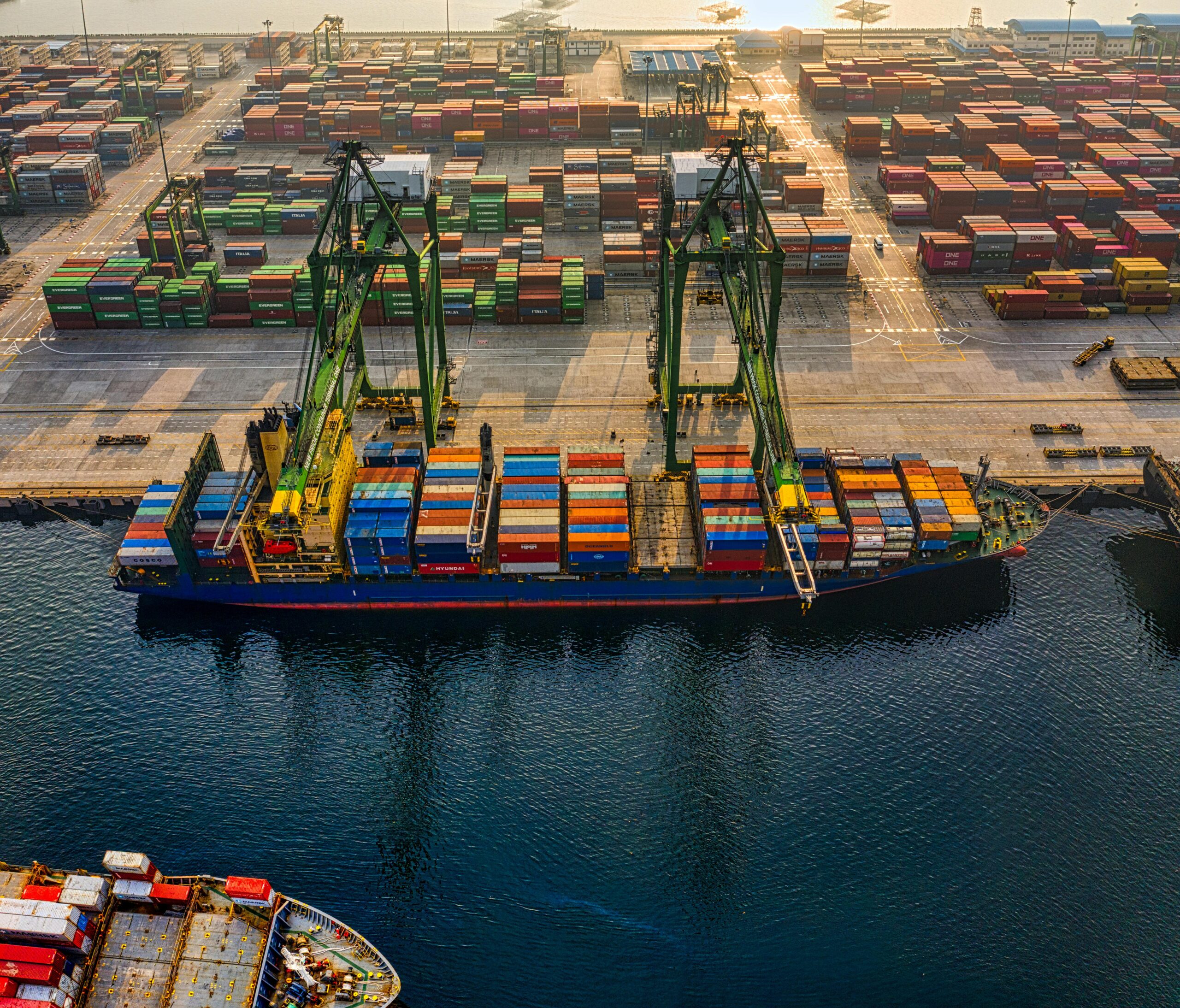
Executive Summary: The era of a single, highly centralized global factory floor is officially over. Driven by continuous geopolitical friction and climate-related shipping disruptions, multinational corporations are aggressively reshoring and establishing autonomous regional production hubs across India, Southeast Asia, and Latin America.
Key Takeaways:
- Decentralized Production: Major tech and automotive firms have shifted 40% of their critical component manufacturing out of traditional single-point hubs over the last 24 months.
- The “China Plus Two” Strategy: The former “China Plus One” strategy has evolved. Companies are now requiring at least two entirely separate geopolitical regions to handle end-to-end production to mitigate tariff and blockade risks.
- India’s Manufacturing Surge: Heavy investments in domestic semiconductor and electronics manufacturing have positioned India as a primary anchor in the new Asian supply chain corridor.
The Cost of Fragility
The supply chain shocks of the early 2020s exposed a fatal flaw in the “just-in-time” global inventory model. Relying on a single chokepoint—whether a specific strait, canal, or manufacturing city—is now viewed as a catastrophic risk by corporate boards. The new standard is “just-in-case” manufacturing.
Companies are willing to pay a premium for localized production if it guarantees that regional conflicts or shipping lane blockades will not halt their global revenue streams.
The Rise of the Regional Mega-Hub
Instead of shipping raw materials across the globe to be assembled and shipped back, the new model creates self-sustaining regional loops. North America is relying heavily on Mexican manufacturing corridors, Europe is looking toward Eastern European and North African industrial zones, and the Indo-Pacific is rapidly expanding via massive infrastructure projects across India and Vietnam.
These hubs are heavily automated, utilizing local AI networks to manage logistics, predict shortages, and optimize energy consumption on the factory floor.
The Vantage Perspective
Globalization is not dying; it is simply restructuring. For investors and businesses, the play is no longer in global shipping conglomerates, but in the localized infrastructure, robotics, and industrial real estate that power these new regional mega-hubs. Those who control the automated logistics within these specific corridors will capture the bulk of the decade’s industrial growth.