

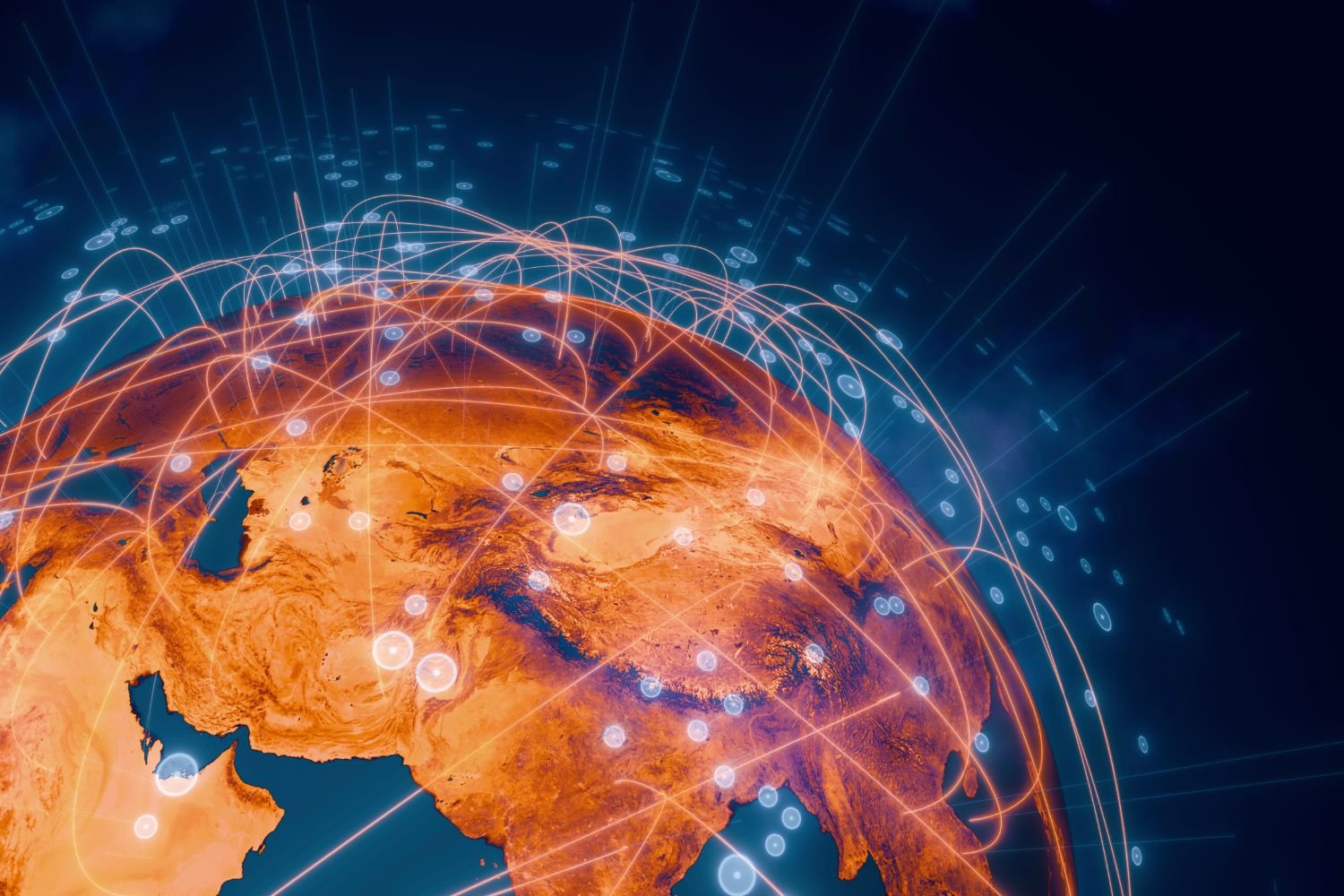
The global landscape faces an unprecedented challenge. We observe a convergence of severe, interconnected crises. This phenomenon is an unmanageable polycrisis. It represents the single biggest global disruption today.
Simultaneous failures across energy, technology, and geopolitics overwhelm governance structures. Traditional strategic responses often prove ineffective.
A polycrisis implies a synergistic effect. The interaction between crises intensifies their collective impact. This creates a systemic breakdown far greater than individual threats. We must understand its nature to navigate this complex era.
National Security & The Unmanageable Polycrisis
The rise of an unmanageable polycrisis directly impacts national security. Nations face threats on multiple fronts. Cyberattacks target critical infrastructure. Energy weaponization destabilizes entire regions.
Rapid AI and autonomous system development introduces new dangers. These threats demand immediate, adaptive responses.
National security agencies must now anticipate cascading failures. Traditional defense strategies are insufficient. They cannot address the speed and complexity of these intertwined threats. Nations must enhance resilience and foster integrated global cooperation.
Strengthening National Cyber Resilience
The Core Pillars of Systemic Failure
We identify three primary pillars driving this systemic breakdown. These are energy failures, technological failures, and geopolitical failures. Each pillar presents significant challenges. Their interconnections amplify the overall risk.
Energy Failures
The global energy system is at a critical juncture. It grapples with immediate supply shocks and long-term transition challenges. Geopolitical conflicts expose supply chain fragility. This leads to price volatility and energy insecurity. Nations face severe economic strain.
The imperative to decarbonize collides with practicalities. Scaling renewable infrastructure is complex. Securing critical minerals like lithium is vital. Underinvestment in both conventional and renewable energy creates persistent deficits. This forms a “two-track” energy crisis.
Energy grids are also vulnerable to cyberattacks. These threats risk widespread blackouts and cascading failures.
Technological Failures
Rapid technological advancement introduces novel disruptions. Regulatory and ethical frameworks often lag behind. State-sponsored cyberattacks target vital infrastructure. They also compromise electoral systems.
The weaponization of information, including deepfakes, erodes social cohesion. This significantly impacts international relations.
AI development presents unique risks. Autonomous weapons systems could escalate conflicts. Widespread job displacement is a concern. The race for AI dominance fuels geopolitical competition.
Globalized tech supply chains are highly concentrated. “Tech nationalism” fragments innovation. This creates new chokepoints, hindering collaborative solutions.
Geopolitical Failures
The international order undergoes profound shifts. Great power competition has resurged. Multilateral cooperation declines. International norms and institutions face erosion.
The UN Security Council often experiences paralysis due to veto powers. Consensus on global issues remains elusive.
Intensifying rivalry between major powers is evident. This manifests in economic coercion and military posturing. It exacerbates regional instabilities.
The global trend towards authoritarianism undermines democratic values. This ideological fragmentation makes common solutions harder to forge. It leads to a more fractured, unpredictable world.
The Amplification Effect: Beyond Isolated Crises
The defining characteristic of an unmanageable polycrisis is its feedback loop. Distinct failures do not merely coexist. They actively exacerbate and amplify each other. This creates a systemic vulnerability far greater than individual threats.
Consider a major cyberattack. If it targets a nation’s energy infrastructure, wide-ranging effects follow. This technological failure impacts energy stability. It can cripple the economy.
Such an event might provoke a military response. Consequently, international tensions could escalate rapidly.
Geopolitical conflict has severe ripple effects. It can lead to the weaponization of energy supplies. This causes price spikes. Global markets become unstable.
Economic hardship often follows. Such events can fuel social unrest. They potentially trigger political instability in vulnerable nations. Crises feed into one another, creating a complex web of challenges.
Geopolitical Shifts and the Global Economy
Global Governance Overwhelmed
Existing global governance mechanisms are ill-equipped. They were designed for a less interconnected world. These systems cannot manage the speed and complexity of an unmanageable polycrisis.
International institutions are often siloed. They address issues in isolation. No agile mechanism exists to coordinate responses across domains.
The principle of national sovereignty frequently impedes collective action. States prioritize domestic interests. This occurs even when facing shared existential threats.
Power imbalances in key bodies cause gridlock. They prevent decisive responses. The rapid evolution of threats outpaces slow international diplomacy. This causes critical delays in action.
Traditional Strategic Responses Fall Short
The traditional toolkit of statecraft is increasingly insufficient. Bilateral diplomacy, sanctions, and military intervention prove ineffective. They are often counterproductive in this polycrisis environment.
Interventions in one area can have unforeseen negative ripple effects. Sanctions, for example, might inadvertently trigger a global energy crisis or accelerate technological decoupling.
In a multipolar world, traditional levers of power are less effective. Economic sanctions can be circumvented. Military threats might meet asymmetric responses.
Diplomatic efforts often falter without shared priorities or mutual trust. The rise of powerful non-state actors complicates deterrence. Hybrid warfare blurs conflict lines.
This makes strategic responses difficult to formulate. Traditional approaches are predominantly reactive. They address symptoms, not underlying systemic vulnerabilities.
Conclusion: Navigating a Fractured Future
The unmanageable polycrisis presents an unprecedented challenge. It stems from interconnected failures in energy, technology, and geopolitics. This exposes critical limitations in global governance.
It highlights the inadequacy of traditional strategic responses. Addressing this requires a radical reimagining of international cooperation.
We need a fundamental shift. It must move towards integrated, foresight-driven risk management. New, adaptive strategies are essential. They must navigate a complex, uncertain global environment.
Failure to adapt risks further descent. We could face a fragmented, unstable, and increasingly ungovernable world. Systemic breakdowns might become the new normal.