

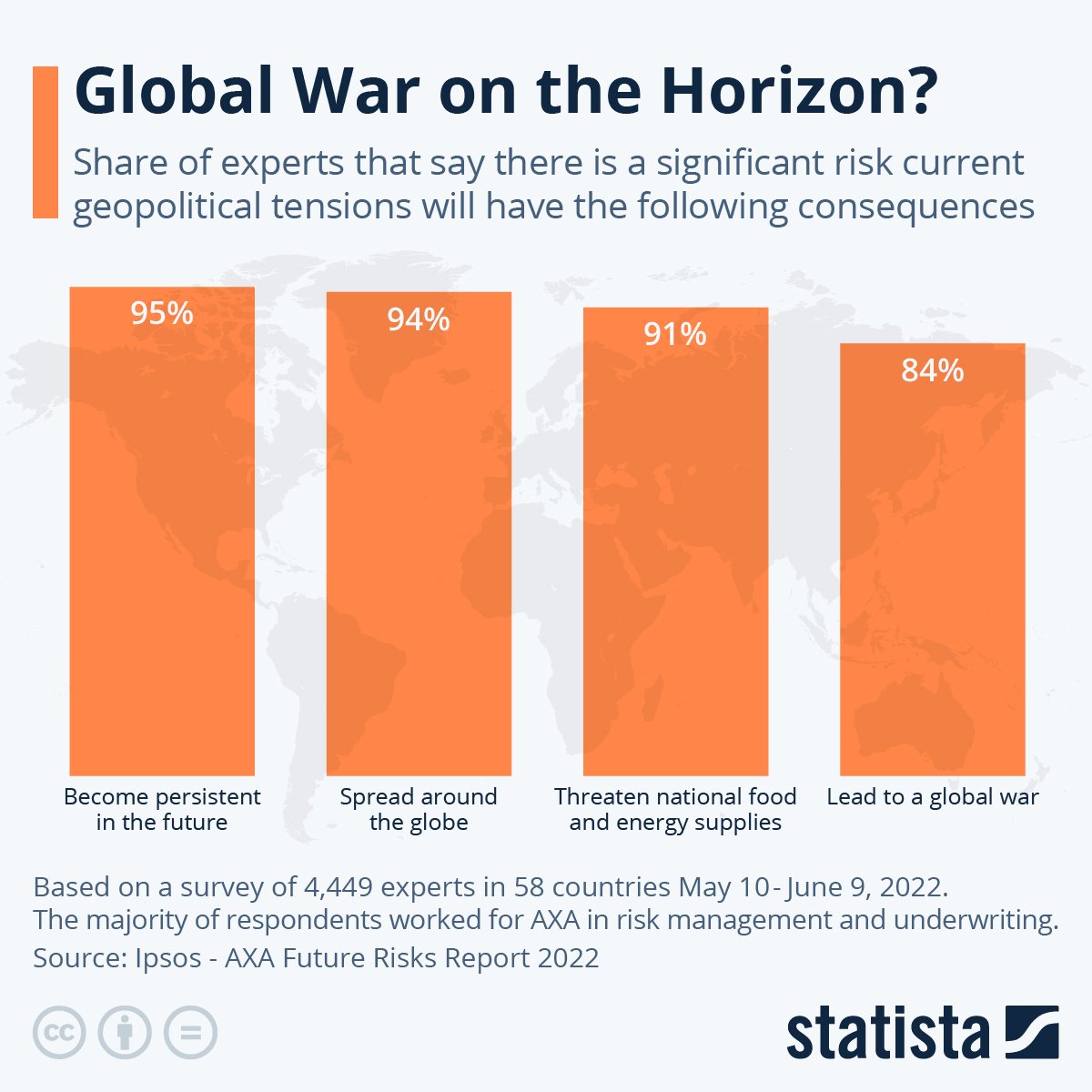
The geopolitical landscape shows significant shifts. Rising regional tensions involve the United States, Israel, and Iran. A sustained escalation in diplomatic and strategic friction is confirmed.
The trend indicates increasing strain among these key state actors. This enduring volatility demands close attention.
Understanding the Escalation
Reports consistently indicate an upward trajectory in tensions. Relations are worsening. Strategic concern among all parties remains elevated.
The current environment features persistent friction. This situation demands vigilance from observers.
The complex relationship dynamic is under persistent strain. Pressures are intensifying between the US, Israel, and Iran.
This analysis focuses on the general trend of escalating tensions. It avoids detailing specific incidents or new declarations. The overarching pattern of increasing friction shapes regional stability.
The current trajectory suggests enduring heightened tension. No immediate indications of de-escalation are apparent. Stakeholders must prepare for continued strategic challenges. This persistent friction necessitates ongoing vigilance.
It carries broad implications for regional stability and international relations. Assessments reflect current data from close monitoring.
The Geopolitical Landscape
The continued rise in tensions underscores a volatile geopolitical landscape. This persistent friction demands careful observation.
It impacts numerous global calculations. Middle East stability hangs in a delicate balance. Understanding these dynamics is paramount.
Inter-state dynamics create a complex web. Each actor’s moves influence the others. This intricate interplay contributes to sustained escalation.
Tracking these relationships provides clear, data-driven insights. This aids in comprehending the evolving situation.
The absence of de-escalation signals a challenging outlook. This suggests a prolonged period of strategic uncertainty. Decision-makers must consider these long-term implications. The Vantage Reports offers in-depth geopolitical analysis for navigating complex scenarios.
The situation remains dynamic. The consistent trend points to growing instability. This influences regional alliances and rivalries.
Analysis of these shifts provides clarity amid complexity. Reports emphasize observed patterns, avoiding speculative content in assessments.
Impact on National Security
Rising regional tensions directly affect national security interests. For the United States, this includes protecting allies and maintaining regional stability.
Heightened friction can lead to miscalculation. This poses significant risks to personnel and assets. Robust intelligence gathering is crucial.
Israel faces direct security challenges. Border security and defense strategies become critical. The potential for regional conflict increases with sustained tension.
This necessitates constant readiness. Defense postures are observed closely, reflecting the perceived threat level.
Iran also operates within a complex security framework. Its strategic decisions are influenced by perceived external threats.
This dynamic fuels a cycle of action and reaction. Understanding these interwoven security concerns is essential. It informs broader policy considerations.
These tensions have global implications. They can disrupt vital shipping lanes. They also influence international counter-terrorism efforts.
National security apparatuses worldwide monitor these developments. They adjust strategies based on real-time intelligence. This ensures preparedness for various contingencies.
The enduring nature of these tensions elevates the risk profile. It demands a proactive approach to diplomacy and defense. Explore our Middle East Insights for further context on regional security challenges.
Economic Repercussions
The economic impact of rising regional tensions is substantial. Global energy markets are particularly vulnerable. Oil prices often react sharply to geopolitical instability.
This creates uncertainty for businesses and consumers. Investors closely monitor these developments.
Increased tensions can deter foreign investment. Companies become hesitant to commit capital in volatile regions. This slows economic growth and development.
Supply chains also face potential disruptions. Shipping routes might become riskier, increasing costs.
Financial markets reflect this uncertainty. Stock indices can show increased volatility. Safe-haven assets often see increased demand.
Gold and certain currencies might strengthen. Conversely, regional currencies could weaken. This creates complex investment scenarios.
Governments also face increased defense spending. This diverts resources from other sectors. It impacts national budgets and fiscal stability.
Businesses must develop contingency plans. They need to mitigate risks associated with geopolitical shifts. This includes diversifying suppliers and markets.
The economic outlook becomes more unpredictable. Strategic planning for businesses and investors is vital. Understanding these economic undercurrents is crucial for informed decision-making. The “Geopolitical Risk Assessment Guide” offers a comprehensive framework to evaluate market impacts.
Navigating Volatility
The sustained escalation between the US, Israel, and Iran presents ongoing challenges. This environment requires careful navigation.
Diplomacy remains a critical tool. However, the current trajectory shows no immediate signs of de-escalation. This necessitates a long-term strategic perspective.
International bodies and regional actors also play a role. Their responses can either mitigate or exacerbate tensions.
Broader interactions are continuously analyzed, providing a holistic view. Reports aim for objective assessments.
Staying informed is paramount. Decision-makers need accurate, timely intelligence. This enables effective response strategies. The Vantage Reports delivers insights, focusing on observable trends and their implications.
Vigilance remains essential. The geopolitical landscape is fluid. The trend of rising regional tensions persists.
Understanding its multifaceted impacts is key. Consult our analysis on Global Security Outlook.