

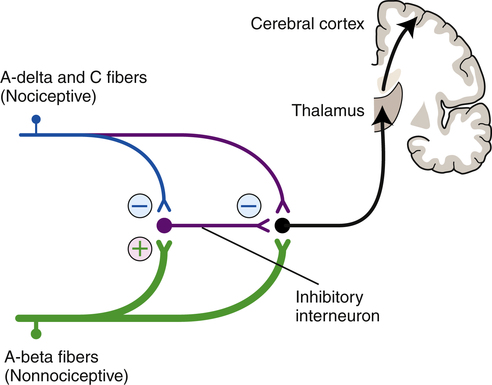
Chronic pain affects millions globally. It often leads to long-term reliance on pharmaceuticals. These drugs carry side effects and limited efficacy.
Emerging research highlights the neuro-immune axis. Specifically, manual mast cell activation plays a critical role. It drives and perpetuates pain within musculoskeletal tissues.
Our investigation explores precise mechanisms. Targeted manual therapy and specific movement sequences can modulate mast cell activity. This re-calibrates neuro-immune interactions.
Consequently, it de-escalates peripheral sensitization. This approach fundamentally reprograms chronic pain pathways. Ultimately, it reduces the need for pharmaceutical interventions.
Mast Cells: Key Players in Chronic Pain
Mast cells are vital neuro-immune cells. While known for allergies, they also reside abundantly in musculoskeletal tissues. These include fascia, muscle, synovium, and nerve sheaths. They become activated under tissue stress or injury.
Activated mast cells rapidly release many pronociceptive and inflammatory mediators. These include histamine, serotonin, prostaglandins, leukotrienes, proteases, and cytokines. Nerve growth factor (NGF) further contributes to this cascade.
How Mast Cells Drive Pain
The release of these mediators directly contributes to pain. They cause peripheral sensitization. This activates and sensitizes nociceptors, lowering their pain threshold.
They also promote neuroinflammation. Local inflammatory responses increase vascular permeability. This recruits other immune cells to the site.
Neuroplasticity also occurs. Growth factors like NGF induce nerve sprouting. They cause phenotypic changes in sensory neurons, further exacerbating pain signaling.
Proteases from mast cells can degrade the extracellular matrix. This contributes to fibrosis and tissue remodeling. Altered tissue mechanics can even entrap nerves.
Persistent mast cell activation creates a vicious cycle. It maintains a pro-nociceptive microenvironment. This underpins chronic pain conditions like fibromyalgia, chronic low back pain, and CRPS. Therefore, understanding this mechanism is crucial.
Targeted Manual Therapy and Movement
Manual therapy protocols offer therapeutic effects. These include myofascial release, joint mobilization, and soft tissue manipulation. Low-threshold movement sequences also play a role.
Their impact extends beyond biomechanical changes. They directly modulate mast cell activity. They also influence local tissue biochemistry.
Mechanisms of Mast Cell Modulation
Tissues respond to mechanical stress. Manual forces and controlled movements apply this stress. Mast cells are mechanosensitive. Mechanical deformation influences their activity.
Gentle, sustained pressure can have an effect. Specific movement patterns may induce mechanotransductive signals.
These signals can directly degranulate overactive mast cells. This leads to a transient mediator release, followed by a refractory period.
Conversely, these signals can stabilize mast cells. They alter membrane tension or intracellular pathways. This precise re-calibration is key.
Manual therapy improves fluid dynamics. It enhances local circulation and lymphatic flow. This clears accumulated inflammatory mediators and reduces tissue edema.
A healthier microenvironment is restored. This lessens triggers for mast cell activation. Consequently, pain signals diminish.
Fascial tissues contain many mast cells. Manual therapy targeting fascia directly influences their activity. Mechanical input affects fibroblast behavior and alters extracellular matrix composition.
Local pH changes also play a role. All these factors indirectly influence mast cell stability. They impact responsiveness to stimuli.
Both manual therapy and movement engage the autonomic nervous system. Vagal nerve stimulation has anti-inflammatory effects. It modulates immune cell function, including mast cells.
Promoting a parasympathetic dominant state reduces mast cell excitability. Therefore, interventions are precise and targeted.
Reprogramming Neuro-Immune Signaling
Modulating mast cell activation is critical. It reprograms local neuro-immune signaling within musculoskeletal tissues. Stabilizing mast cells reduces chronic mediator release.
A controlled degranulation, followed by quiescence, achieves this. This diminishes pain-inducing mediators like histamine, serotonin, and NGF. It directly reduces the chemical environment sensitizing nociceptors.
Mast cell mediators interact with glial cells, including astrocytes and microglia. These are found in both peripheral and central nervous systems.
Reduced mast cell activation lessens pro-inflammatory glial activation. This mitigates neuroinflammation and reduces central sensitization.
The local tissue environment shifts from chronic inflammation towards a pro-resolving state.
This shift promotes anti-inflammatory cytokines. It encourages specialized pro-resolving mediators (SPMs). Growth factors support tissue healing and nerve repair instead of sensitization.
The constant barrage of excitatory signals decreases. This reduces overall excitability of the peripheral nervous system. Peripheral sensitization de-escalates.
Nociceptive thresholds normalize. Pain perception diminishes.
The “reprogramming” occurs naturally. Neural pathways, previously locked into a sensitized state, begin to revert. They adopt a more homeostatic pattern. This lessens reactivity to pain stimuli.
Reducing Pharmaceutical Dependency
This approach offers a non-pharmacological pathway to manage chronic pain effectively. It addresses underlying cellular dysfunctions. By reprogramming pain pathways, reliance on drugs decreases.
NSAIDs, opioids, and neuropathic pain medications can be reduced. This targets the root causes of pain and normalizes biological processes. This offers a sustainable solution with fewer side effects.
Furthermore, patients gain empowerment. Low-threshold movement sequences become self-management tools. They directly influence pain experience, fostering self-efficacy.
This reduces the need for continuous medical intervention. A reduction in chronic pain improves life quality. Decreased pharmaceutical dependency enhances physical function and boosts mental well-being.
The Intersection: Daily Health Impact
Understanding manual mast cell modulation profoundly impacts daily health. Chronic pain cripples daily activities, affecting work, sleep, and relationships.
Conventional treatments often provide temporary relief, frequently with unwanted side effects. This new understanding offers hope. It provides a path to sustained well-being.
Individuals can regain control over their bodies. They can live fuller, more active lives. This reduces long-term healthcare burdens and improves overall societal productivity.
Consider the broader implications. Less reliance on opioids means fewer addiction crises. Improved mobility fosters mental health.
A proactive approach to pain management empowers communities. This scientific advancement offers a tangible improvement. It enhances the everyday quality of life for millions.
For more insights into managing chronic conditions, explore our related articles:
- Understanding Neuroinflammation: A Key to Chronic Illness
- The Power of Mind-Body Connection in Healing
- Advances in Non-Pharmacological Pain Management
For deeper insights into optimizing your body’s natural healing processes, download our exclusive “Neuro-Immune Balance Guide.” It provides practical strategies for enhanced well-being.
Conclusion
Mast cell activation and neuro-immune signaling are complex. They are intricately linked to chronic pain. This presents a compelling target for new therapies.
Specific low-threshold movement sequences are promising. Targeted manual therapy protocols also show potential. They precisely modulate these cellular events.
This offers a promising avenue for de-escalating peripheral sensitization. It fundamentally reprograms chronic pain pathways.
This research highlights non-pharmacological interventions. They can provide lasting pain relief and significantly reduce pharmaceutical dependency.
Further research is essential to elucidate optimal intervention parameters. Identifying specific biomarkers is also critical. Rigorous clinical trials are needed.
These will validate efficacy and mechanisms of action. The future of chronic pain management looks brighter.