

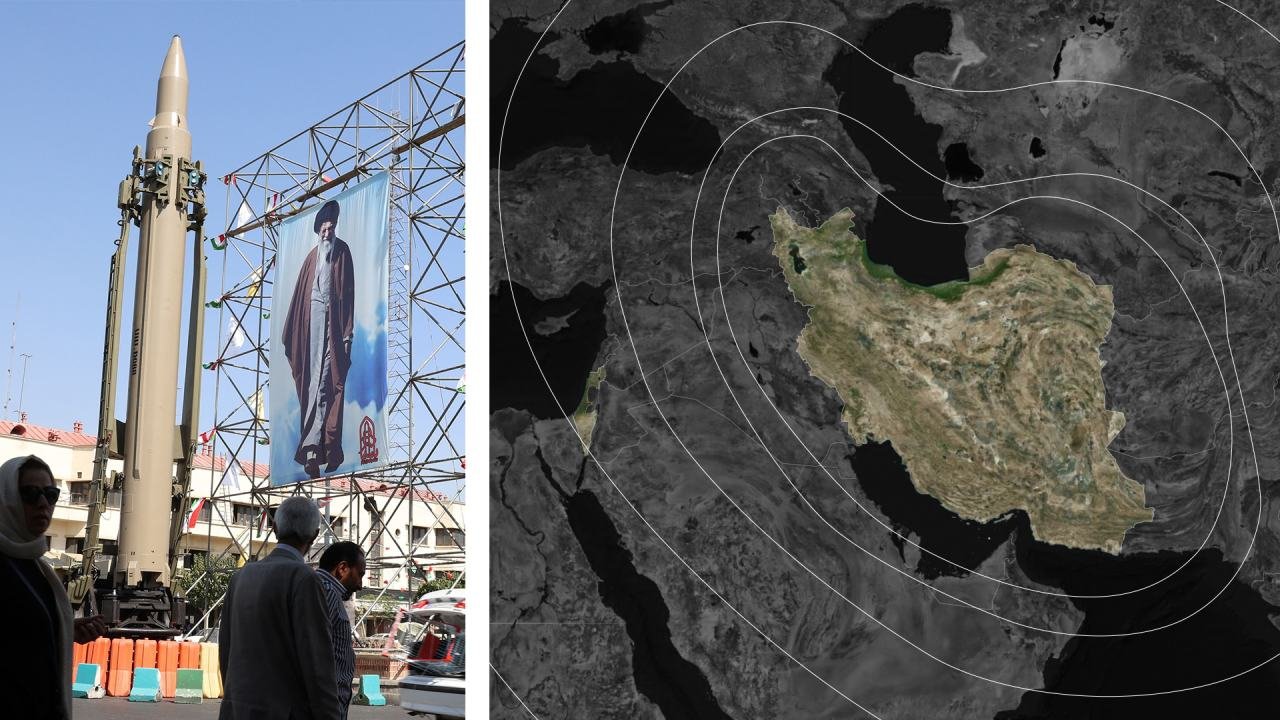
The geopolitical landscape reveals sustained strain. Tensions involving the US Israel Iran relationship are clearly escalating. This friction shows a continued upward trajectory. Such intensity shapes regional and global dynamics.
Reports confirm an environment of heightened sensitivity. Washington, Jerusalem, and Tehran navigate a complex web of interactions. This persistent rise in tensions demands close examination. It underscores a challenging, evolving geopolitical reality.
Understanding Geopolitical Dynamics
The United States, Israel, and Iran share a critically important relationship. Each nation holds distinct strategic interests. These interests often converge and diverge unpredictably. Regional stability faces constant pressure as a result.
The current situation requires analysis through multiple lenses. Security concerns dominate much of the discourse. Economic considerations also play a significant role. The pursuit of regional influence fuels much of the tension.
This dynamic environment demands careful monitoring. Minor incidents can quickly escalate. Understanding the underlying factors is therefore crucial. These elements are assessed to predict potential shifts.
Historical Context of Regional Strain
The roots of current tensions run deep. Historical events have shaped present-day animosities. The 1979 Iranian Revolution dramatically altered regional alliances. It shifted Iran’s relationship with both the US and Israel.
Before 1979, strong ties existed. The US supported the Shah of Iran. Israel also maintained a discreet but significant relationship with pre-revolutionary Iran. This historical backdrop provides essential context.
The revolution ushered in a new era. Iran adopted an anti-Western and anti-Israel stance. This ideological shift created lasting divisions. It continues to influence foreign policy decisions today.
Subsequent developments further solidified these positions. The Iran-Iraq War deepened regional mistrust. Israel’s security imperatives also evolved. The US adapted its strategic posture in the Middle East accordingly.
Key Drivers of Escalation
Several factors consistently drive escalating tensions. Iran’s nuclear program stands as a primary concern. Both the US and Israel view it as a significant threat. They seek to prevent Iran from acquiring nuclear weapons capabilities.
Iran, conversely, asserts its right to peaceful nuclear energy. This fundamental disagreement fuels diplomatic stalemates. It also leads to increased military posturing. Negotiations often face immense hurdles.
Regional proxy conflicts further exacerbate the situation. Iran supports various non-state actors. These groups operate in countries like Lebanon, Syria, and Yemen. This extends Iran’s influence across the Middle East.
Israel perceives these proxies as direct threats. It often conducts military operations to counter them. The US frequently supports Israel’s security actions. This creates a complex web of indirect confrontations.
Cyber warfare also represents a growing arena for conflict. All three nations possess advanced cyber capabilities. Attacks on critical infrastructure are not uncommon. This adds another layer of complexity to the escalating friction.
Intersection with National Security
The escalating tensions between the US, Israel, and Iran directly impact national security. This complex dynamic extends beyond the immediate region. It carries global implications for stability and peace.
Energy markets are highly sensitive. Any major conflict could disrupt oil supplies. This would trigger significant economic repercussions worldwide. Global economies consequently face inherent risks.
Proliferation risks also increase. A nuclear-armed Iran could inspire other nations. This might lead to a regional arms race. Such a scenario would profoundly destabilize the Middle East.
International alliances are tested. The US maintains key partnerships in the region. These alliances are crucial for counter-terrorism efforts. Rising tensions could strain these vital relationships.
Cyber security threats loom large. State-sponsored cyber attacks can target critical infrastructure globally. This poses a direct threat to national security interests far beyond the Middle East. Vigilance remains paramount.
Understanding these security implications is not merely academic. It informs policy decisions. It guides strategic planning. Every facet of this evolving situation demands consideration.
Navigating the Evolving Geopolitical Landscape
The current situation demands careful diplomacy. De-escalation efforts are crucial. However, finding common ground remains challenging. Deep-seated mistrust persists among all parties.
International cooperation also plays a vital role. Global powers often mediate disputes. They seek to prevent direct military confrontations. Multilateral engagement is therefore essential.
Technology continues to shape the conflict. Advanced surveillance and weaponry impact strategic calculations. Understanding these technological advancements is critical. They influence both defense and deterrence strategies.
Public opinion within each nation also matters. Domestic political pressures often influence foreign policy. Leaders must balance internal demands with external realities. This creates a delicate balancing act.
The future trajectory of the US Israel Iran relationship is uncertain. Continued monitoring and analysis are vital. We remain committed to providing timely, insightful intelligence.
For more in-depth analysis of regional security, explore our related articles: Middle East Policy Analysis and Iran Nuclear Deal Implications. Furthermore, consider our Regional Security Challenges report.
Stay ahead of global developments. Download our exclusive “Geopolitical Risk Assessment Guide” today. This valuable resource helps you understand complex international dynamics.