

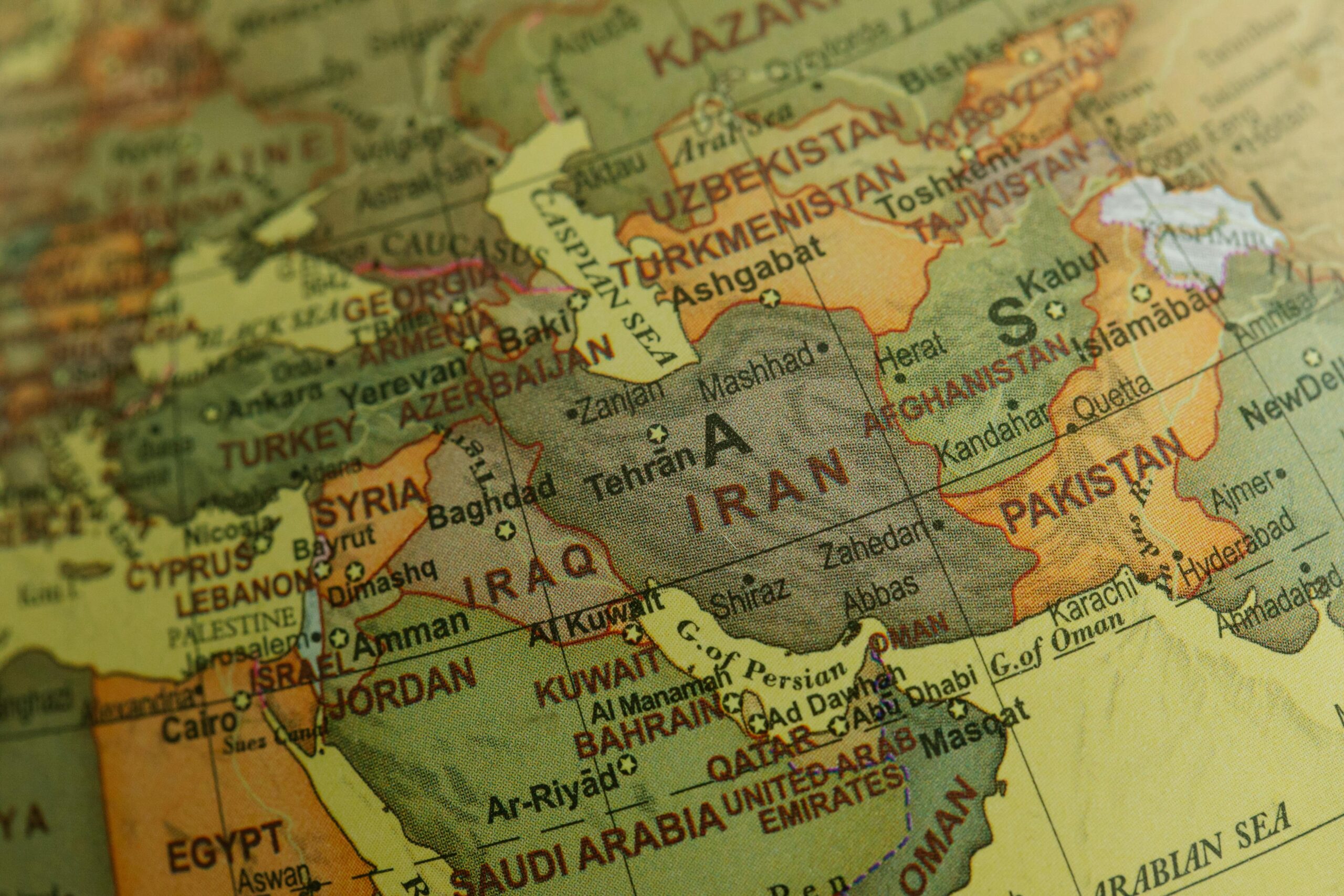
Executive Summary: Understanding the complexities of Mideast Tensions is paramount for anyone tracking global geopolitical stability. The Middle East, a region of immense strategic importance, is currently experiencing a heightened state of friction, primarily involving the United States, Israel, and Iran. These dynamics are not static; they are a constant interplay of historical grievances, ideological differences, security imperatives, and regional ambitions. The continued escalation of tensions, as recent reports indicate, underscores the urgent need for a comprehensive analysis of the underlying factors at play. This report delves into seven critical insights that illuminate the intricate web of relationships and challenges defining the current geopolitical landscape.
1. Historical Context: A Legacy of Distrust and Intervention
The roots of current Mideast Tensions are deeply embedded in history. Decades of Western intervention, the establishment of Israel, the Iranian Revolution, and numerous regional conflicts have forged a complex tapestry of alliances and animosities. The US has historically played a significant role, from supporting various regimes to leading military interventions, often perceived differently by regional actors. Israel’s existence and security have been central to regional dynamics, while Iran’s post-revolutionary foreign policy has sought to project influence and challenge perceived hegemonies. This historical baggage continues to shape present-day interactions and fuel ongoing distrust among the key players, making de-escalation a formidable challenge.
2. The United States’ Enduring Strategic Interests
The US engagement in the Middle East is driven by a multifaceted set of strategic interests, including ensuring the free flow of oil, counter-terrorism efforts, maintaining regional stability, and supporting key allies like Israel and Saudi Arabia. While there have been shifts in US foreign policy, the fundamental objectives remain. The perceived threat from Iran’s nuclear program and its regional proxy networks is a primary concern for Washington, often dictating its military posture and diplomatic initiatives. However, balancing these interests with domestic priorities and the desire to pivot towards other global challenges presents a constant dilemma, contributing to the nuanced and often unpredictable nature of US involvement in Mideast Tensions.
3. Israel’s Existential Security Imperatives
For Israel, the regional environment is defined by existential security concerns. Iran’s nuclear ambitions, its development of ballistic missiles, and its support for groups like Hezbollah in Lebanon and Hamas in Gaza are viewed as direct threats to Israeli sovereignty and population centers. This perception drives Israel’s robust defense strategy, including preemptive actions and close intelligence cooperation with the US. The pursuit of regional normalization agreements, such as the Abraham Accords, is also part of a broader strategy to counter Iranian influence and enhance regional security. Understanding these deep-seated security imperatives is crucial to grasping Israel’s proactive stance amidst escalating Mideast Tensions.
Understanding Escalating Mideast Tensions
The current upward trajectory in friction between the US, Israel, and Iran is a significant development requiring careful monitoring. Each actor operates within a framework of national interest and perceived threats, leading to a complex and often volatile regional environment. The lack of detailed immediate triggers in daily reports suggests a simmering, underlying tension rather than a singular event, making the situation particularly challenging to navigate for international diplomacy and regional stakeholders. The potential for miscalculation remains high, underscoring the delicate balance required to prevent further escalation.
4. Iran’s Ambitions and Regional Power Projection
Post-1979, Iran has pursued a foreign policy aimed at asserting regional influence, challenging the US-led order, and supporting non-state actors aligned with its ideological vision. Its nuclear program, though officially for peaceful purposes, is a major point of contention, viewed by adversaries as a pathway to weapons capability. Iran’s network of proxy forces across Iraq, Syria, Lebanon, and Yemen allows it to project power and deter potential attacks, but also fuels regional instability and direct clashes with Israeli and US interests. Economic sanctions and internal political dynamics further complicate Iran’s strategic choices, contributing significantly to the overall landscape of Mideast Tensions.
5. Key Flashpoints and Proxy Conflicts
The broader Middle East is dotted with numerous flashpoints where the interests of the US, Israel, and Iran directly or indirectly clash. Syria’s civil war, Yemen’s protracted conflict, the ongoing Israeli-Palestinian issue, and maritime security in the Persian Gulf and Red Sea are all arenas where proxy forces operate and strategic rivalries play out. These localized conflicts have the potential to rapidly escalate into wider regional confrontations, drawing in external powers and exacerbating existing Mideast Tensions. The interconnectedness of these flashpoints means that a development in one area can have ripple effects across the entire region.
6. Global Economic and Security Implications
The ripple effects of heightened Mideast Tensions extend far beyond the region itself. The Middle East is a critical artery for global energy supplies and international trade routes, particularly through the Strait of Hormuz and the Suez Canal. Any significant disruption, whether from direct conflict or increased insecurity, can lead to soaring oil prices, supply chain interruptions, and a downturn in global economic stability. Furthermore, the region’s instability can fuel refugee crises and increase the threat of terrorism, impacting international security and requiring a coordinated global response. For deeper analysis on the region’s dynamics, you can consult resources like the Council on Foreign Relations Middle East & North Africa program.
7. Pathways to De-escalation and Future Outlook
Navigating the complex landscape of Mideast Tensions requires a multi-pronged approach involving diplomacy, deterrence, and de-escalation mechanisms. While direct dialogue between all parties remains challenging, back-channel communications and third-party mediation efforts are crucial. The international community, including organizations and major powers, has a vested interest in promoting stability and preventing further conflict. However, deeply entrenched grievances and differing strategic objectives mean that the path to lasting peace is fraught with obstacles. The situation remains highly dynamic, demanding continuous monitoring and adaptive strategies from all stakeholders. For further insights into international policy, consider exploring the Chatham House Middle East and North Africa programme.
Conclusion
The current state of Mideast Tensions reflects a precarious balance of power, where the actions and reactions of the United States, Israel, and Iran continually reshape the regional security paradigm. Understanding these critical insights is essential for policymakers, analysts, and the public alike to comprehend the potential trajectories of this volatile region. As the situation remains fluid, vigilance and informed analysis are key to anticipating and responding to future developments. We encourage you to continue exploring these vital geopolitical shifts. Explore The Vantage Reports.
Disclaimer: This report is based on publicly available information and analytical interpretation as of the current date. Geopolitical situations are subject to rapid change.