

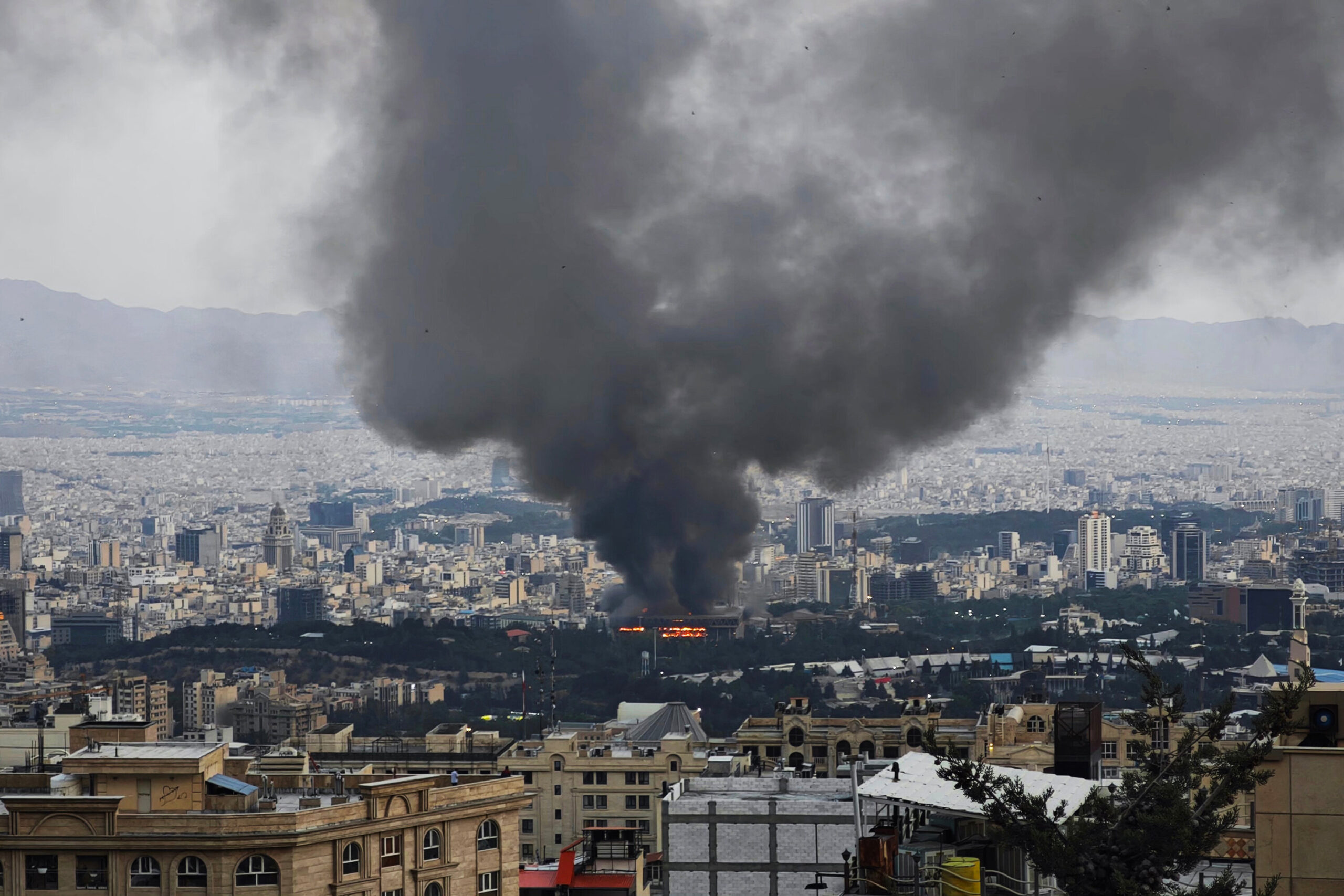
The US-Iran-Israel Conflict is currently one of the most volatile geopolitical situations, with recent developments indicating a significant escalation across the Middle East. Tensions have visibly spread, creating new flashpoints and exacerbating existing anxieties. This report delves into the critical facets of this complex dynamic, offering insights into the military actions, strategic implications, and the rhetorical landscape shaping the region.
Recent Escalations and Military Actions
The past weeks have witnessed a pronounced uptick in direct and indirect military engagements. The US military has confirmed striking an unspecified number of targets, a clear response to perceived threats and actions against its interests and personnel in the region. These strikes are part of an ongoing pattern of deterrence and retaliation, signaling Washington’s resolve to protect its assets and allies.
Concurrently, reports indicate that Iran has targeted Israel, marking a direct escalation that has sent ripples of concern across global capitals. This action, whether through direct missile launches or proxy forces, underscores the high-stakes nature of the conflict and the diminishing buffer zones between the primary actors. The immediate implications are profound, raising the specter of a wider regional conflagration that could draw in more international players.
This period of heightened activity is described by some as a “month-long US-Israel war involving Iran,” highlighting the continuous nature of the engagements and the intertwined destinies of these nations. The tit-for-tat exchanges, often shrouded in strategic ambiguity, contribute to an environment where miscalculation remains a constant and dangerous possibility. The strategic objectives behind these actions range from asserting dominance and deterring aggression to signaling capabilities and demonstrating resolve.
The Strait of Hormuz – A Critical Flashpoint
One of the most significant concerns stemming from the intensifying US-Iran-Israel Conflict is the potential for disruptions in the Strait of Hormuz. Recognized globally as one of the world’s most vital oil shipping routes, the Strait is a narrow waterway through which approximately one-fifth of the world’s total oil consumption, and a substantial portion of its liquefied natural gas, passes daily. Its strategic importance cannot be overstated, acting as a crucial artery for global energy markets.
Any significant disruption in the Strait of Hormuz, whether intentional or accidental, would have immediate and severe repercussions for the global economy. Oil prices would likely skyrocket, impacting industries worldwide and placing immense pressure on consumer economies. Beyond oil, the Strait is also a key route for other vital trade goods, meaning a blockade or sustained conflict could cripple international supply chains. The international community, therefore, watches developments in this area with extreme apprehension, understanding that economic stability is inextricably linked to the free flow of navigation through this chokepoint.
Both Iran and its adversaries understand the immense leverage the Strait provides. Iran has, in the past, threatened to close the Strait in response to sanctions or military threats, demonstrating its potential to inflict economic pain on the global stage. The presence of international naval forces, including those of the United States, is a testament to the collective effort to ensure the Strait remains open for commercial shipping. For more detailed information on the strategic importance of this waterway, you can refer to analysis from the U.S. Energy Information Administration.
Rhetoric and Readiness: Iran’s Stance
Further escalating the already tense rhetoric, the Iranian President has made a stark declaration: seven million Iranians are ready to pick up arms against the United States. This statement, delivered amidst the current climate, serves multiple purposes. Internally, it aims to galvanize nationalistic sentiment and project an image of unwavering resolve and popular support for the government’s stance against external pressures. Externally, it functions as a potent warning, signaling Iran’s capacity for mass mobilization and its willingness to engage in prolonged conflict if provoked.
The figure of “seven million” is significant, representing a substantial portion of Iran’s population and hinting at the depth of potential human resources available for defense or offensive actions. While such declarations often contain elements of propaganda, they cannot be entirely dismissed. Iran maintains several well-organized military and paramilitary forces, including the Islamic Revolutionary Guard Corps (IRGC), the Basij Resistance Force, and a conventional army, all of which have undergone extensive training and possess varying degrees of combat readiness. The statement underscores the ideological underpinnings of the Iranian regime’s foreign policy and its long-standing adversarial relationship with the United States and Israel.
Understanding the Roots of the US-Iran-Israel Conflict
To fully grasp the current volatility, it is essential to look at the deep historical roots of the US-Iran-Israel Conflict. The relationship between the United States and Iran fundamentally shifted after the 1979 Islamic Revolution, transforming a strategic alliance into one of profound antagonism. Iran’s new revolutionary government adopted an anti-Western, anti-American, and anti-Israeli posture, viewing both as imperialist powers seeking to undermine its sovereignty and regional influence. This ideological divergence laid the groundwork for decades of mistrust and proxy warfare.
The rivalry between Iran and Israel is equally entrenched. Israel views Iran’s nuclear program, its development of ballistic missiles, and its support for groups like Hezbollah and Hamas as existential threats. Iran, in turn, sees Israel as an illegitimate state and a key outpost of Western influence in the Middle East. The United States, as Israel’s staunchest ally, finds itself consistently aligned against Iran, providing military and diplomatic support that further fuels Iranian resentment. These intertwining grievances have manifested in a complex web of proxy conflicts across the Levant, Yemen, and Iraq, where various regional actors are supported by one side or the other, perpetuating a cycle of violence and instability. Understanding these historical dimensions is crucial for analyzing the current trajectory of the conflict. For deeper insights into Iran’s foreign policy and its complex relations, the Council on Foreign Relations offers comprehensive analyses.
Regional and Global Implications
The intensifying US-Iran-Israel Conflict carries profound regional and global implications. Regionally, it threatens to destabilize an already fragile Middle East, potentially drawing in neighboring countries and exacerbating existing humanitarian crises. The prospect of an all-out war could lead to massive displacement, further straining international resources and creating new waves of refugees. The economic repercussions would extend beyond oil, affecting trade routes, investment, and development across the entire region.
Globally, the conflict poses a significant challenge to international diplomacy and security. Major powers, including Russia and China, have their own interests in the Middle East, and a wider conflict could force them to take more definitive sides, potentially leading to a broader geopolitical confrontation. The risk of miscalculation remains exceptionally high, with each side pushing boundaries in a dangerous game of brinkmanship. The international community continues to call for de-escalation, but concrete diplomatic breakthroughs remain elusive, leaving the region on a knife-edge.
Conclusion
The current state of the US-Iran-Israel Conflict represents a critical juncture in Middle Eastern geopolitics. From the escalating military actions and the strategic vulnerability of the Strait of Hormuz to the fiery rhetoric from Tehran and the deep-seated historical animosities, the situation is fraught with peril. The potential for a wider regional conflagration with severe global economic and humanitarian consequences looms large. As developments continue to unfold, vigilance and concerted diplomatic efforts are paramount to prevent further escalation and to navigate this perilous landscape. For more in-depth analyses and daily updates on critical global events, please Explore The Vantage Reports.