

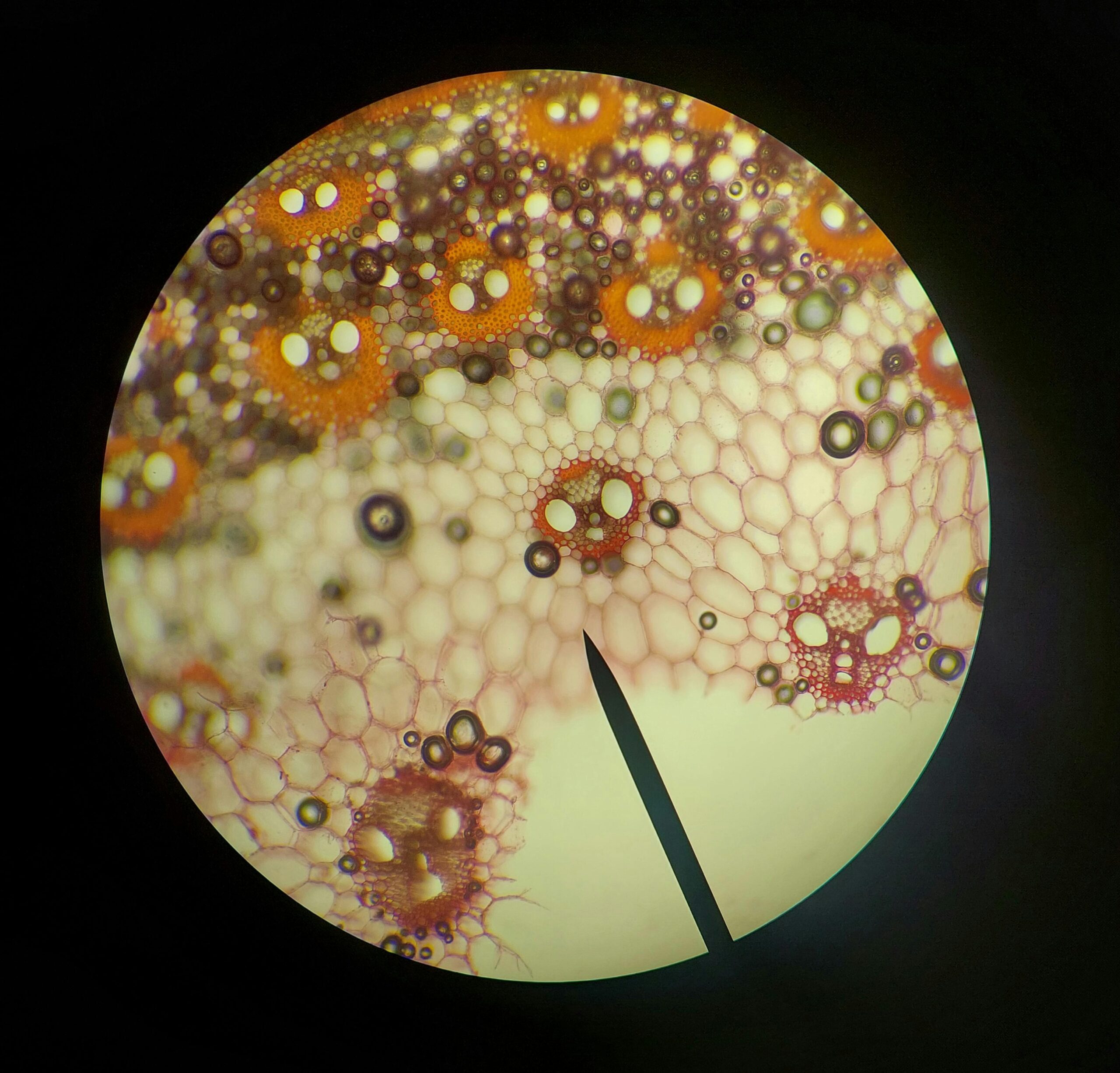
Executive Summary: Ayurvedic Electrophysiology represents a groundbreaking interdisciplinary frontier, meticulously investigating how the sophisticated, personalized principles of Ayurvedic *Bhuta-Agni* precisely influence fundamental cellular bioelectric phenomena. This pioneering research leverages cutting-edge methodologies from modern biophysics, specifically patch-clamp electrophysiology and optogenetic reporters, to uncover the direct and indirect modulation of cellular ion channel dynamics and transmembrane potential. The ultimate goal is to reveal pathways to optimize cellular energy transduction and enhance bioelectric signaling, thereby fostering systemic physiological coherence and unlocking new dimensions in health and wellness.
The Foundational Bhuta-Agni Framework in Ayurveda
Ayurveda, the ancient Indian system of medicine, posits *Agni* (digestive and metabolic fire) as the central force of transformation, indispensable for maintaining health. Beyond its role in gross digestion, *Bhuta-Agni* refers to five distinct elemental fires that operate at a subtle, cellular, and tissue level. These specialized fires are responsible for metabolizing the five *Panchamahabhutas* (earth, water, fire, air, and ether) that constitute all matter, including the body’s tissues (*dhatus*). Each *Bhuta-Agni* governs specific transformative processes, intricately dictating cellular function and vitality.
- Prithvi Agni (Earth Fire): This elemental fire governs the assimilation of structural components, ensuring cellular integrity and stability. It is responsible for the formation and maintenance of solid structures within the cell, contributing to its physical robustness.
- Jala Agni (Water Fire): Managing fluid balance, lubrication, and cohesive properties within cells, Jala Agni ensures proper hydration and the smooth functioning of intracellular processes. Its balance is crucial for cellular volume regulation and membrane fluidity.
- Tejo Agni (Fire Fire): Tejo Agni controls thermogenesis, metabolic heat, and the efficient release of energy within cells. It is intrinsically linked to the metabolic rate and the exothermic reactions necessary for cellular life.
- Vayu Agni (Air Fire): This fire regulates movement, signaling, nerve impulses, and subtle cellular transport mechanisms. Vayu Agni is vital for the dynamic processes of cellular communication and the rapid transmission of information.
- Akasha Agni (Ether Fire): Pertaining to space, porosity, and the potential for conduction or expansion within cellular matrices, Akasha Agni facilitates the necessary ‘room’ for cellular activities and the pathways for electrical flow.
The profound “personalized” aspect of Ayurveda arises from *Prakriti* (individual constitution), wherein the balance and efficiency of these *Bhuta-Agnis* vary significantly from person to person. This unique configuration influences an individual’s cellular metabolic profile and their susceptibility to various diseases. An imbalance in a specific *Bhuta-Agni* is hypothesized to lead directly to altered cellular function and, consequently, compromised health.
Unveiling Cellular Ion Channel Dynamics and Transmembrane Potential
At the very core of cellular life, ion channels stand as critical transmembrane proteins that precisely regulate the flow of specific ions—such as Na+, K+, Ca2+, and Cl—across the cell membrane. This exquisitely controlled ion movement is fundamental to a multitude of cellular processes:
- Transmembrane Potential (Vm): This refers to the electrical voltage difference across the cell membrane, a critical determinant for cell excitability, signal transduction, and the maintenance of cellular homeostasis. Vm is the electrical “language” cells use to communicate and regulate internal states.
- Cellular Signaling: Rapid and precise changes in Vm, primarily driven by ion channel gating, underpin virtually all cellular communication. This includes neuronal action potentials, muscle contraction, hormone secretion, immune responses, and even the intricate processes of cell proliferation.
- Energy Transduction: The maintenance of steep ion gradients, a task performed by active pumps like the Na+/K+-ATPase, consumes a significant amount of ATP. This directly links ion channel function to cellular energy metabolism. Furthermore, mitochondrial ion channels play a crucial role in maintaining mitochondrial membrane potential, which is indispensable for ATP synthesis.
Hypothesized Modulation by Bhuta-Agni Principles
The central hypothesis guiding this research is that the functional state and balance of *Bhuta-Agnis* directly or indirectly modulate the expression, localization, gating kinetics, and overall activity of cellular ion channels. This modulation can manifest through various intricate mechanisms:
- Direct Influence: It is hypothesized that subtle energetic or metabolic products generated by specific *Bhuta-Agni* processes might act as modulators (e.g., ligands, phosphorylation activators/inhibitors) for particular ion channels. For instance, an imbalance in *Vayu Agni*, which is related to movement and signaling, might manifest as dysregulated voltage-gated sodium or potassium channels, thereby impacting action potential generation and nerve impulse transmission. Similarly, an imbalance in *Jala Agni*, crucial for fluid balance, could directly affect aquaporins or chloride channels, leading to altered cellular hydration and volume regulation.
- Indirect Influence: Beyond direct interaction, *Bhuta-Agni* balance could profoundly influence the cellular microenvironment. This includes parameters such as membrane lipid composition, the cellular redox state, protein folding pathways, or gene expression pathways. These factors, in turn, intricately regulate ion channel synthesis, trafficking to the membrane, or post-translational modification, all of which impact channel function. For example, an optimized *Tejo Agni*, responsible for metabolic heat and energy, might support highly efficient mitochondrial function, which could then influence Ca2+ homeostasis and subsequently the activity of Ca2+-activated K+ channels.
Leveraging Advanced Methodologies for Rigorous Investigation
To rigorously test these profound hypotheses, the research will employ state-of-the-art methodologies that provide unparalleled insights into cellular bioelectrics:
- Patch-Clamp Electrophysiology: This technique is considered the gold standard for direct, high-resolution measurement of ion currents flowing through individual ion channels or across the entire cell membrane. Researchers can precisely characterize:
- Ion channel conductance and selectivity, revealing which ions pass through and how efficiently.
- Gating kinetics, detailing how channels open and close in response to various stimuli, providing dynamic functional insights.
- The overall transmembrane potential (Vm) and its dynamic changes in response to specific Ayurvedic interventions or *Bhuta-Agni*-modulating compounds or conditions.
- Application: Cultured cells or primary tissues derived from individuals with defined *Prakriti* (constitution) or *Vikriti* (imbalance) could be meticulously studied to observe differential ion channel activity and Vm responses, providing personalized bioelectric profiles. More details on patch-clamp techniques can be found on authoritative scientific resources such as PubMed Central.
- Optogenetic Reporters: These revolutionary tools enable precise, light-activated control and real-time monitoring of specific cellular processes with unprecedented spatial and temporal resolution.
- Optogenetic Actuators: Light-sensitive ion channels or pumps can be genetically introduced into cells to precisely manipulate Vm or ion concentrations within specific cellular compartments. This allows researchers to mimic or counteract hypothesized *Bhuta-Agni* effects, providing a powerful means to establish causality.
- Optogenetic Sensors/Reporters: Fluorescent proteins engineered to report on crucial cellular parameters such as membrane potential, intracellular Ca2+ levels, ATP levels, or redox state can be used to monitor the cellular consequences of *Bhuta-Agni*-modulating interventions.
- Application: Genetically engineered cells expressing these reporters could be treated with specific Ayurvedic preparations or exposed to *Bhuta-Agni*-relevant stimuli, allowing their bioelectric responses to be precisely measured and mapped in real-time. Insights into such advanced biophysical methods are often published in leading journals like Nature.
Optimizing Cellular Energy Transduction
By precisely modulating ion channel dynamics and transmembrane potential, *Bhuta-Agni* principles are hypothesized to fundamentally optimize cellular energy transduction. This critical optimization involves several key cellular processes:
- Mitochondrial Efficiency: Regulating mitochondrial ion channels (e.g., K+ channels, proton channels) and the mitochondrial membrane potential is paramount for efficient ATP synthesis via oxidative phosphorylation. Optimized *Bhuta-Agni* could enhance this intricate process, leading to more robust cellular energy production.
- Metabolic Flux: Influencing the transport of metabolic substrates and products across cellular membranes is crucial for maintaining efficient metabolic flux. By modulating these transport systems, *Bhuta-Agni* could enhance the efficiency of energy-generating pathways, ensuring a steady and optimal supply of cellular fuel.
- Redox Balance: Ion channel activity can significantly impact the production of reactive oxygen species (ROS) and the efficacy of antioxidant defense systems. Maintaining a delicate redox balance is crucial for overall cellular energy health and preventing oxidative damage.
Enhancing Bioelectric Signaling for Systemic Harmony
Precise control over ion channel function and Vm is absolutely paramount for robust and accurate bioelectric signaling throughout the body. Optimized *Bhuta-Agni* could lead to a cascade of beneficial effects:
- Improved Neuronal Communication: Enhanced action potential fidelity, increased synaptic plasticity, and optimized neurotransmitter release would lead to clearer and more efficient communication within the nervous system, potentially improving cognitive functions and sensory processing.
- Efficient Muscle Contraction: Optimized excitation-contraction coupling in both cardiac and skeletal muscle would lead to more powerful and coordinated muscle movements, crucial for physical performance and cardiovascular health.
- Refined Immune Responses: Precise activation and deactivation of immune cells through controlled ion fluxes would lead to more targeted and effective immune responses, enhancing the body’s ability to fight off pathogens and maintain immune homeostasis.
- Better Cellular Communication: Overall improved cell-to-cell communication across various tissues is vital for coordinated organ function, ensuring that all systems work in concert for optimal health.
The Promise of Ayurvedic Electrophysiology: Systemic Physiological Coherence
Ultimately, the optimization of cellular energy transduction and the enhancement of bioelectric signaling at the cellular level, intricately guided by personalized *Bhuta-Agni* principles, is expected to propagate upwards, contributing significantly to systemic physiological coherence. This refers to the harmonious, synchronized functioning of all organ systems, leading to robust homeostasis, increased resilience to stress, and the holistic state of vibrant health so eloquently described in Ayurveda. By mechanistically understanding these fundamental bioelectric pathways, this research aims to bridge ancient wisdom with modern scientific rigor, paving the way for novel, personalized bioelectric therapies rooted deeply in Ayurvedic principles. The future of health lies in understanding and harnessing these subtle yet powerful cellular forces. Explore The Vantage Reports for more insights into cutting-edge research.