

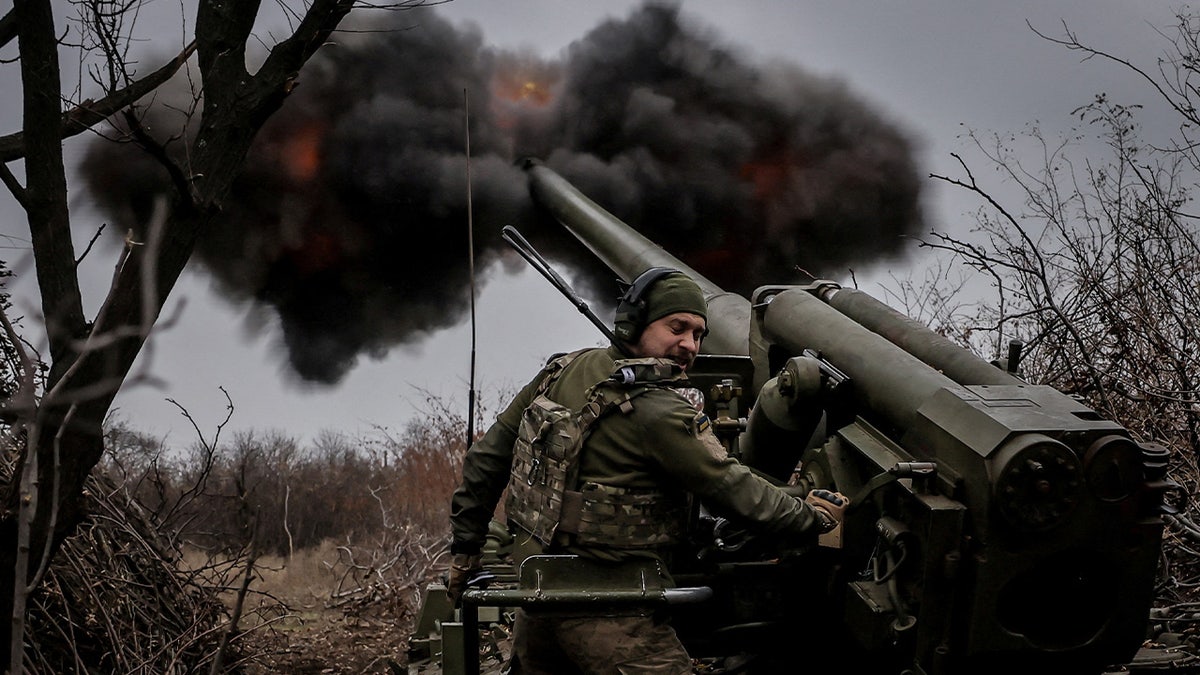
Executive Summary: The global geopolitical landscape is currently defined by rising tensions, particularly among the United States, Israel, and Iran. This executive summary provides a concise overview of the critical insights into this ongoing escalation, which is characterized by a complex interplay of historical grievances, strategic imperatives, and ideological divides. Our analysis highlights the sustained upward trajectory in this volatile relationship, signifying a heightened state of alert across the Middle East and beyond. Understanding the multifaceted implications of these strained relations is paramount for policymakers, analysts, and global citizens, as the ripple effects can impact energy markets, international diplomacy, and regional stability. This document delves into the enduring regional rivalry, the distinct perspectives of the US, Israel, and Iran, the multi-dimensional nature of escalation beyond the battlefield, the perilous path of continued tensions, and the imperative for diplomatic de-escalation.
The global geopolitical landscape is currently defined by **Rising Tensions**, particularly among the United States, Israel, and Iran, a dynamic that continues to shape international relations and regional stability. This ongoing escalation, characterized by a complex interplay of historical grievances, strategic imperatives, and ideological divides, demands meticulous analysis to comprehend its multifaceted implications. Our latest intelligence assessments indicate a sustained upward trajectory in this volatile relationship, signifying a heightened state of alert across the Middle East and beyond. Understanding the undercurrents of this intricate situation is paramount for policymakers, analysts, and global citizens alike, as the ripple effects of such strained relations can reverberate far and wide, impacting everything from energy markets to international diplomacy.
1. The Enduring Arc of Regional Rivalry
The current state of heightened vigilance is not an isolated phenomenon but rather the latest chapter in a long-standing narrative of regional rivalry and strategic competition. The roots of these disagreements delve deep into the post-World War II geopolitical restructuring, the Iranian Revolution of 1979, and subsequent conflicts that have reshaped alliances and animosities. For decades, the region has been a crucible of competing interests, with each actor pursuing its own security objectives and ideological agenda. This historical context is crucial for grasping why the current **Rising Tensions** persist and what factors contribute to their sustained escalation. The absence of specific new incidents in recent reports does not diminish the underlying pressure; instead, it highlights a chronic state of friction that is perpetually on the verge of manifesting into overt conflict. The continuous monitoring of these historical and contemporary factors is essential to anticipate potential flashpoints and to understand the strategic calculus of each involved party. The historical context explains the inherent mistrust and the difficulty in forging lasting diplomatic solutions.
Understanding the Dynamics of Rising Tensions
To truly grasp the gravity of the situation, it is imperative to dissect the distinct yet interconnected dynamics at play. The relationship between the United States and Iran has been fraught with challenges since the late 1970s, marked by periods of intense confrontation, economic sanctions, and proxy conflicts. Simultaneously, Israel views Iran’s nuclear program, ballistic missile development, and support for regional proxy groups as an existential threat, leading to a robust defense posture and an unwavering commitment to counter Iranian influence. The United States, as Israel’s primary ally, often finds itself navigating a delicate balance between its commitment to regional stability, its non-proliferation goals, and its strategic partnership. This complex web of alliances and antagonisms creates a fertile ground for **Rising Tensions**, where miscalculation or misinterpretation of intentions could have severe consequences. The continuous interplay of these factors ensures that the region remains a hotspot for geopolitical maneuvering, where every action by one party is met with a reaction from another, perpetuating the cycle of escalation.
2. The US Perspective: Strategic Alliances and Global Interests
From Washington’s vantage point, the Middle East represents a critical nexus of energy security, counter-terrorism efforts, and strategic competition with other global powers. The US commitment to Israel’s security is a cornerstone of its foreign policy in the region, providing a robust deterrent against perceived threats. Furthermore, the US seeks to prevent the proliferation of nuclear weapons, particularly in the hands of states deemed hostile to its interests or those of its allies. Iran’s pursuit of a nuclear program, even for civilian purposes, is viewed with deep suspicion, especially given its historical rhetoric and regional activities. The US strategy often involves a combination of diplomatic pressure, economic sanctions, and military presence designed to contain Iranian influence and to encourage a shift in its behavior. The ongoing **Rising Tensions** underscore the challenges inherent in this strategy, as Iran continues to assert its regional power and resist external pressures, often through asymmetric means. The US also balances its regional objectives with broader global priorities, including relations with other major powers and addressing global challenges like climate change and pandemics.
3. Israel’s Security Imperatives: An Existential Lens
For Israel, the threat perception from Iran is profoundly existential. Situated in a volatile neighborhood, Israel’s national security doctrine is heavily influenced by the imperative to maintain a qualitative military edge and to prevent any regional actor from developing capabilities that could pose an insurmountable threat. Iran’s ideological opposition to Israel, its calls for Israel’s destruction, and its support for groups like Hezbollah and Hamas, which engage in direct conflict with Israel, fuel this deep-seated concern. The prospect of a nuclear-armed Iran is considered an unacceptable red line, prompting Israel to maintain a readiness for pre-emptive action if diplomatic solutions fail. This intense focus on security means that Israel often advocates for a firm stance against Iran, aligning closely with US policy in many areas while also reserving the right to act unilaterally when its core interests are at stake. The dynamics of **Rising Tensions** are thus amplified by Israel’s unique security calculus, where even minor provocations can be seen through the lens of a larger, existential struggle. This perspective shapes its diplomatic efforts and military postures, making de-escalation a complex challenge.
4. Iran’s Regional Ambitions and Resistance
Iran, for its part, views its regional actions through the prism of national sovereignty, revolutionary ideals, and resistance against perceived external hegemony, particularly from the US and its allies. The Islamic Republic has consistently sought to expand its influence across the Middle East, often through a network of proxy forces and political alliances, which it sees as a legitimate defense strategy against encirclement. The economic sanctions imposed by the US and international community are viewed as acts of economic warfare, further hardening Iran’s resolve to develop self-sufficiency and to challenge the existing regional order. Its nuclear program, while officially declared for peaceful energy generation, is also seen by many as a strategic asset to deter aggression and enhance its geopolitical leverage. The current state of **Rising Tensions** is, from Iran’s perspective, a consequence of foreign interference and a testament to its steadfast resistance. This narrative of defiance resonates deeply within Iran, making any concessions difficult and reinforcing a cycle of confrontation. Iran’s strategic depth and its ability to project power through non-state actors present a formidable challenge to its adversaries.
5. Dimensions of Escalation: Beyond the Battlefield
The escalation of tensions between these three entities extends far beyond conventional military posturing. It encompasses a broad spectrum of activities, including intense diplomatic maneuvering, sustained economic warfare through sanctions, sophisticated cyber operations, and a relentless war of narratives. Each of these dimensions contributes to the overall sense of **Rising Tensions**. Economic sanctions, though designed to compel behavioral change, often lead to increased hardship for civilian populations, potentially fostering resentment and further entrenching hardline positions within Iran. Cyber warfare represents a new frontier of conflict, capable of disrupting critical infrastructure without direct military engagement, adding another layer of complexity and unpredictability. The information war, waged through state-sponsored media and social platforms, aims to shape public opinion both domestically and internationally, further polarizing viewpoints. This multi-dimensional nature of the conflict means that de-escalation requires a comprehensive approach that addresses not just military threats but also economic grievances, cyber vulnerabilities, and ideological divides. For deeper insights into global geopolitical shifts, explore the analyses from the Council on Foreign Relations.
6. The Perilous Path of Continued Rising Tensions
The sustained increase in tensions between the US, Israel, and Iran carries inherent risks of miscalculation and unintended escalation. Without clear lines of communication and mechanisms for de-escalation, even minor incidents could rapidly spiral into broader conflicts with devastating regional and global consequences. Such a scenario could destabilize global energy markets, trigger humanitarian crises, and draw in other regional and international actors, creating a broader theater of conflict. The potential for a breakdown in diplomatic efforts, combined with the continuous military exercises and rhetorical exchanges, keeps the region on edge. The international community, therefore, remains deeply concerned about the implications of these **Rising Tensions** and actively seeks pathways for dialogue and conflict resolution. The stakes are incredibly high, emphasizing the need for cautious diplomacy and a commitment to preventing any actions that could inadvertently ignite a wider conflagration. Understanding the nuances of international relations is crucial in these times; for further reading, visit Chatham House for expert research.
7. The Path Forward: Diplomacy and De-escalation
Despite the challenging outlook, the imperative for diplomatic engagement and de-escalation remains paramount. While the current intelligence points to a continued upward trajectory in **Rising Tensions**, the absence of specific new incidents beyond this overarching trend suggests that the situation, while precarious, is not yet irreversible. Sustained international pressure, coupled with carefully constructed channels for dialogue, could potentially offer avenues for reducing friction and building confidence. This requires a willingness from all parties to engage constructively, to acknowledge legitimate security concerns, and to explore compromises that prioritize regional stability over maximalist demands. The path forward is undoubtedly complex, fraught with historical baggage and deep-seated mistrust, but the alternative of unchecked escalation is far more perilous. Continued monitoring of the situation for any specific events or shifts remains crucial to inform future policy decisions and to prevent the current state of alert from transforming into open conflict. For detailed reports on global security, Explore The Vantage Reports.
Conclusion
The current geopolitical landscape, defined by the persistent **Rising Tensions** between the United States, Israel, and Iran, represents a critical challenge to international peace and security. While the immediate horizon shows no specific new incidents beyond the general escalation, the underlying currents of historical rivalry, strategic competition, and ideological clashes continue to drive this perilous trajectory. The implications of this sustained state of tension are far-reaching, affecting regional stability, global economics, and the lives of millions. As we move forward, a comprehensive understanding of each actor’s motivations and a concerted effort towards diplomatic solutions will be indispensable in navigating this complex and volatile environment, ultimately aiming to transform a state of chronic vigilance into one of cautious stability.