

The global geopolitical landscape is currently undergoing a profound transformation, marked by a surge in Extraterritorial Claims that are fundamentally reshaping international law and sovereign access to global commons. This phenomenon is not merely a series of isolated incidents but rather the precursor to a new era of legal warfare, redefining the very nature of sovereign access to what were once considered shared global resources and pathways. As established international channels for energy, trade, and digital exchange prove increasingly unreliable, nations are unilaterally asserting novel claims over critical international transit infrastructure, pushing the boundaries of traditional sovereignty.
1. The Unraveling of Global Channels
The stability and predictability of the international system, particularly concerning global flows, are diminishing at an alarming rate. This systemic unraveling is a primary driver behind the proliferation of extraterritorial assertions.
- Energy Insecurity: Geopolitical conflicts, such as the war in Ukraine, have starkly exposed the vulnerability of traditional energy supply chains. The weaponization of energy resources has prompted a strategic push by nations to secure and control energy transit routes and sources, often extending their reach beyond their recognized sovereign territory. This quest for energy independence and control fuels many novel claims.
- Trade Fragmentation: A confluence of global supply chain disruptions—ranging from the COVID-19 pandemic to the Suez Canal blockage—and the rise of economic nationalism has fueled protectionist policies. Nations are increasingly eager to control strategic trade routes, vital ports, and critical manufacturing inputs, leading to the imposition of export controls and tariffs that carry significant extraterritorial effect.
- Digital Balkanization: The once-idealized vision of a borderless internet is rapidly fracturing. National cyber sovereignty doctrines, stringent data localization laws, and pervasive state-sponsored cyber activities are segmenting the global digital space. Control over the physical and logical infrastructure of the internet—including subsea cables, Internet Exchange Points (IXPs), and satellite networks—is fast becoming a paramount national security and economic objective. For a deeper understanding of these geopolitical shifts, refer to analyses by institutions like the Council on Foreign Relations.
2. The Nature of Novel Extraterritorial Claims
These claims represent a significant expansion of national jurisdiction, extending beyond traditional land, sea, and air borders, specifically targeting infrastructure and activities situated in international domains.
- Jurisdictional Expansion: Nations are asserting regulatory, security, or economic control over infrastructure that is either physically located in international waters, airspace, or cyberspace, or that, while physically within another sovereign territory, is deemed critical to their national interests. This broadens the scope of national law far beyond its conventional limits.
- Beyond Traditional Boundaries: Unlike historical disputes over land or territorial waters, these novel assertions often involve claiming rights or imposing obligations on entities operating in the “global commons.” These are areas traditionally not subject to any single national sovereignty, creating unprecedented legal and political challenges. The very concept of Extraterritorial Claims challenges the foundational principles of international law.
- Strategic Imperatives: These assertions are driven by a complex interplay of national security concerns—such as protecting critical infrastructure from cyberattacks and ensuring freedom of navigation—economic competition, aimed at securing resource access and controlling trade routes, and the pursuit of technological dominance, particularly in controlling digital data flows.
3. Targeted Critical International Transit Infrastructure
The focus of these claims is overwhelmingly on “choke points” and essential conduits that facilitate global connectivity and resource movement, recognizing their strategic importance in the modern world.
- Maritime Choke Points & Shipping Lanes: Strategic straits (e.g., Strait of Hormuz, Malacca, Bab-el-Mandeb), vital canals (Suez, Panama), and key shipping lanes are increasingly subject to enhanced surveillance, naval presence, and overt attempts to assert control over passage rights or impose specific navigation rules.
- Subsea Cable Networks: The vast, intricate network of fiber optic cables that carry nearly all global internet and telecommunications traffic is a prime target for these claims. Assertions can involve demanding security oversight, requiring data interception capabilities, or even threatening physical disruption or protection of these vital arteries of the internet.
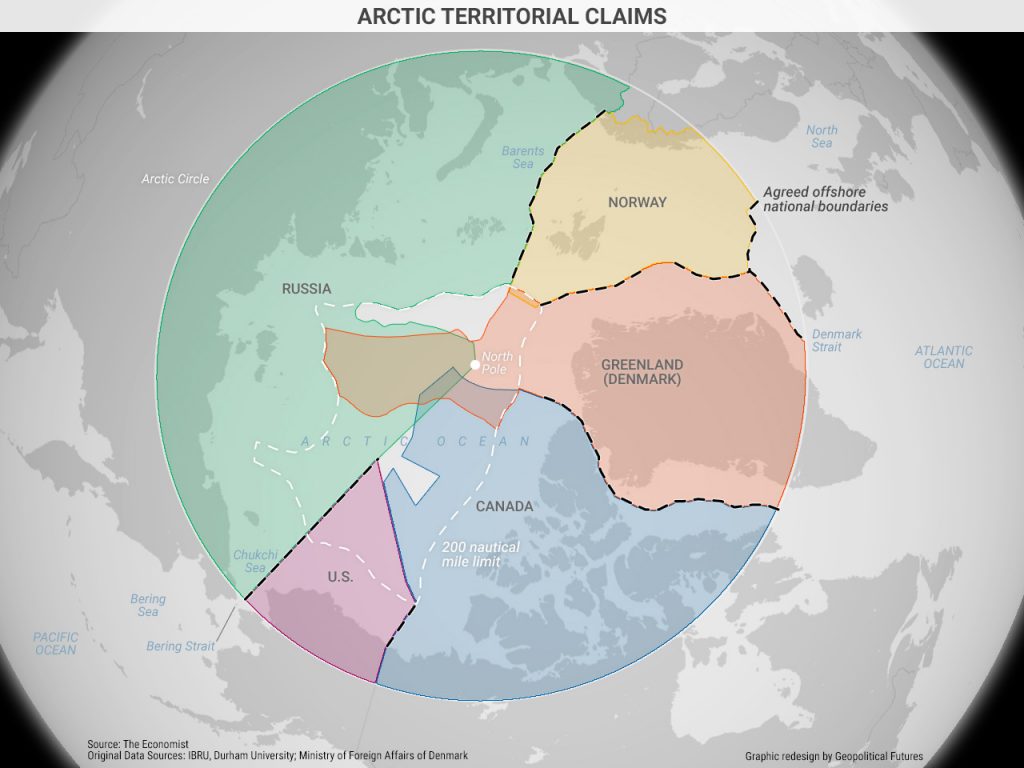
- Arctic Transit Routes: As climate change opens up new shipping routes through the Arctic, nations bordering the region are asserting extensive claims over navigation rights, resource exploration, and environmental regulation in these previously inaccessible international waters.
- Satellite Orbits & Space Assets: Control over strategic orbital slots and the ability to interfere with or protect satellite constellations (vital for communication, navigation, weather, and intelligence) are emerging areas of extraterritorial assertion, extending national interests into outer space.
- Digital Backbone & Data Infrastructure: While often physically located within sovereign states, critical internet exchange points (IXPs), major data centers, and even specific software platforms are becoming subjects of extraterritorial influence or control through legal mandates or technical means. For more on international maritime law and jurisdiction, see resources from the International Tribunal for the Law of the Sea.
4. Mechanisms of Assertion and the Rise of Legal Warfare
Nations employ a diverse and sophisticated toolkit to assert these claims, often leading to protracted legal, diplomatic, and economic confrontations that define a new era of legal warfare.
Understanding the Assertions of Extraterritorial Claims
- Domestic Legislation with Extraterritorial Reach: Enacting national laws, such as data localization mandates, sanctions regimes, or environmental regulations for international shipping, that purport to govern activities or entities far beyond a nation’s physical borders.
- Aggressive Interpretation of International Law: States are selectively interpreting or reinterpreting existing international conventions (e.g., UNCLOS regarding exclusive economic zones, transit passage, or the status of artificial islands) to justify expanded jurisdiction or control, often stretching the original intent of these agreements.
- Diplomatic Pressure & Bilateral Agreements: Leveraging political and economic power to influence international norms, secure preferential access, or establish de facto control through bilateral agreements that may intentionally circumvent or undermine multilateral frameworks.
- Military Presence & Enforcement Operations: Deploying naval or air assets to enforce perceived rights in international waters or airspace, frequently leading to “freedom of navigation” operations by opposing powers and potential standoffs.
- Cyber Operations: State-sponsored cyber activities targeting critical infrastructure, while not always an explicit “claim,” can serve to disrupt, control, or gather intelligence from international transit systems, thereby asserting a de facto influence or control.
- International Arbitration & Litigation: Submitting disputes to international tribunals (e.g., ICJ, ITLOS) or, conversely, rejecting the jurisdiction of such bodies when claims are challenged, turning legal forums into battlegrounds for national interests. These are the battlegrounds where the legality of these Extraterritorial Claims is tested.
5. Redefining Sovereign Access to Global Commons
The proliferation of these extraterritorial claims fundamentally challenges established principles of shared access and the traditional understanding of global commons, leading to significant shifts in international relations.
- Erosion of Freedoms: The long-held principles of freedom of navigation, overflight, and open access to cyberspace are being eroded by increased restrictions, demands for prior notification, and the assertion of security zones that extend far beyond internationally recognized boundaries.
- Fragmentation of the Internet: National efforts to control data flow, filter content, and localize data storage are segmenting the global internet, leading to a “splinternet” where information flow is increasingly dictated by national borders rather than global connectivity.
- Militarization and Contestation of Space: The assertion of national security interests and the development of counter-space capabilities threaten the peaceful and shared use of outer space, raising serious concerns about future conflicts over orbital assets and resources.
- Increased Risk of Conflict: The ambiguity, overlap, and often aggressive nature of these claims heighten the risk of miscalculation, diplomatic crises, and even armed conflict over vital resources and transit pathways, threatening global stability.
- Weakening of Multilateralism: The unilateral assertion of claims and selective adherence to international legal frameworks undermine the authority of international institutions and the rule-based global order, paving the way for a more anarchic and fragmented international system. The rise of Extraterritorial Claims is a direct challenge to the cooperative spirit of multilateralism.
Conclusion
In essence, the rising tide of Extraterritorial Claims signifies a pivotal moment in international relations. As the reliability and neutrality of global channels wane, nations are actively forging a new geopolitical reality where access to critical infrastructure and resources is increasingly contested. This phenomenon is ushering in a complex and perilous era of legal warfare, compelling a radical redefinition of global commons and the very fabric of international law. Understanding these shifts is crucial for navigating the evolving landscape of global power and sovereignty.
To delve deeper into these and other critical geopolitical analyses, we invite you to Explore The Vantage Reports.