

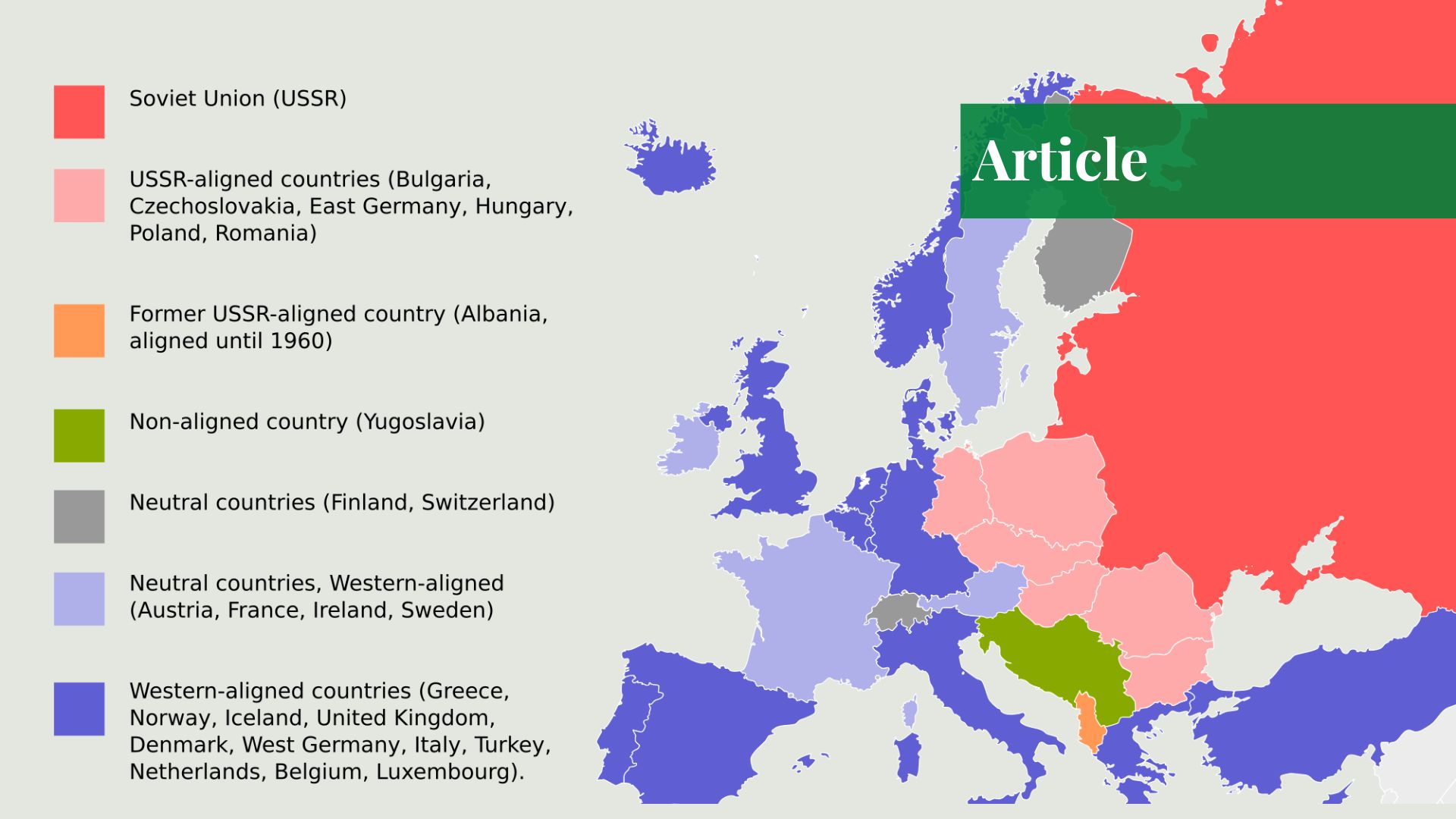
Executive Summary: The global landscape is currently witnessing a profound and strategic shift, often referred to as **Infrastructure Balkanization**, which is fundamentally re-engineering the architecture of global trade. This phenomenon, driven by an escalating security imperative, prioritizes regional resilience and strategic autonomy over the traditional pursuit of global efficiency. It manifests as a deliberate and accelerated race to construct physically segregated and non-interoperable foundational logistics infrastructure. This isn’t merely an incidental outcome but a calculated choice by nation-states and economic blocs, designed to erect permanent physical barriers that solidify regional economic spheres and fundamentally reshape how goods move across the planet. The implications are vast, impacting everything from supply chain costs to geopolitical stability, signaling an end to the era of seamless global connectivity and ushering in a new age of fragmented economic fortresses.
The Rise of Regionalized Markets: A Security-Driven Imperative
The notion of a seamlessly interconnected global economy, where goods flow freely and efficiently across borders, is increasingly being challenged by a new reality. A confluence of geopolitical tensions, economic nationalism, and a heightened focus on national security has spurred a strategic pivot towards regionalization. This pivot is not just about trade policies; it’s about the very physical sinews of commerce. Nations are no longer content with the vulnerabilities exposed by highly interdependent global supply chains, leading to a proactive effort to build self-sufficient, localized, and “friend-shored” economic ecosystems.
The Core Catalysts Behind Infrastructure Balkanization
The push towards **Infrastructure Balkanization** is multifaceted, stemming from several deeply entrenched global trends:
1. National Security and Supply Chain Resilience
The primary catalyst for this shift is a profound re-evaluation of national security within the context of globalized supply chains. Recent disruptions, such as the COVID-19 pandemic, ongoing geopolitical conflicts like the war in Ukraine, and a surge in protectionist policies, have starkly exposed the fragility of highly interdependent systems. Nations are now prioritizing self-sufficiency and redundancy in critical sectors, including semiconductors, medical supplies, defense components, and rare earth minerals. This imperative drives efforts to localize or “friend-shore” production and logistics networks within trusted geopolitical blocs, ensuring continuity and reliability even amidst global turmoil. The goal is to minimize reliance on potentially unstable or adversarial external sources, safeguarding national interests.
2. Geopolitical De-risking and Decoupling
Intensifying strategic competition between major global powers, particularly between the United States and China, is a significant driver of economic decoupling. This involves a conscious effort to reduce economic reliance on potential adversaries, extending beyond technology to the physical infrastructure that underpins global trade. By deliberately creating distinct, non-interoperable systems, nations aim to insulate their economies from external political pressures, the threat of sanctions, or disruptions originating from rival blocs. This strategy transforms infrastructure into a tool of foreign policy, capable of enforcing economic boundaries.
3. Economic Nationalism and Strategic Autonomy
Many regions and nations are actively pursuing policies designed to foster domestic industries, cultivate regional champions, and secure strategic economic advantages. Investments in unique infrastructure specifications can serve as effective non-tariff barriers, channeling trade and investment primarily within a bloc and making it significantly more challenging for external competitors to integrate seamlessly. This bolsters “strategic autonomy”—the capacity of a region or nation to act independently and decisively in key economic and security domains, free from undue external influence. It’s a move towards self-determination in the global economic arena.
4. Digital Sovereignty and Data Localization
The increasing digitization of logistics—encompassing smart ports, IoT tracking, and AI-driven routing—inexorably intertwines physical infrastructure with critical data flows. Growing concerns over data security, potential espionage, and national control over information are leading to the establishment of distinct digital ecosystems and stringent data localization requirements. This often necessitates proprietary or regionally specific intermodal transfer systems and information platforms that are fundamentally incompatible across different blocs. This digital segregation further cements physical barriers, creating a holistic divide that impacts both the movement of goods and the flow of information.
Manifestations of Physical Segregation and Non-Interoperability
The theoretical drivers of **Infrastructure Balkanization** are manifesting in tangible ways, reshaping the physical landscape of global logistics. This deliberate divergence creates significant friction at the interfaces between economic blocs.
1. Distinct Rail Gauges and Networks
While historical differences in rail gauges have long existed across the globe (e.g., standard gauge in Europe/China/North America, broad gauge in Russia/CIS/India, narrow gauge in parts of Africa/Asia), new infrastructure projects are increasingly being designed without an imperative for cross-bloc interoperability. In some cases, these projects are even *deliberately* constructed to reinforce regional connectivity at the expense of global integration. For instance, new high-speed rail networks within specific blocs are optimized for internal trade, with less emphasis on seamless transitions at the borders of rival blocs. This creates costly and time-consuming transhipment points, where goods must be unloaded, transferred, and reloaded onto different gauge trains, significantly hindering efficient cross-border movement. The World Bank offers valuable insights into the complexities of global trade infrastructure, highlighting the challenges of integrating diverse systems.
2. Proprietary Port Specifications and Logistics Hubs
Ports, as critical nodes in global trade, are at the forefront of this segregation:
- Crane Specifications and Terminal Operating Systems (TOS): Investments in port infrastructure are increasingly tailored to national or regional standards. This includes specific crane capacities, berth depths, and proprietary Terminal Operating Systems (TOS) that may not easily communicate with systems used in rival blocs. Such divergences can lead to significant inefficiencies, often requiring specialized equipment or cumbersome manual interventions for cargo transfer, slowing down throughput and increasing operational costs.
- Customs and Border Control Systems: Beyond regulatory frameworks, these systems are becoming deeply integrated with physical port infrastructure. Divergent digital customs platforms, varying security protocols, and incompatible cargo screening technologies create pervasive choke points and non-tariff barriers at the physical interfaces between blocs. The lack of universal standards complicates compliance and adds layers of bureaucracy.
- Dedicated Logistics Parks: The development of large-scale logistics and industrial parks is frequently tied to specific national or regional supply chain strategies. These parks are designed to integrate domestic production with particular export markets or import sources within a designated bloc, rather than facilitating broader, global transshipment. They serve as enclaves for regional commerce, further isolating trade flows.
3. Proprietary Intermodal Transfer Systems
The seamless transfer of goods between different modes of transport (e.g., ship-rail, rail-truck) is paramount for efficient logistics. However, the proliferation of proprietary container handling equipment, unique pallet standards, or incompatible digital tracking and management systems for intermodal hubs creates significant friction. This also extends to differing regulatory standards for maximum loads, vehicle dimensions, and driver qualifications, which vary considerably between economic blocs, making cross-border freight movement complex and costly.
4. Energy and Digital Infrastructure Segregation
While not strictly “logistics,” the foundational energy and digital infrastructures—such as regional power grids, subsea data cables, and 5G networks—are increasingly being built with a sharp focus on national security and strategic autonomy. These contribute significantly to the overall “balkanization” by limiting cross-bloc interoperability for industrial production and the data-driven optimization of logistics. A region’s ability to power its industries or transmit its data independently reinforces its economic fortress.
The Transformative Impact of Infrastructure Balkanization
The deliberate construction of fragmented physical infrastructure has profound consequences, fundamentally re-engineering the global trade architecture.
1. Increased Costs and Reduced Efficiency
The need for multiple transfers, re-gauging of rail cars, specialized equipment, increased warehousing, and navigating complex customs procedures at the physical interfaces between blocs will inevitably drive up logistics costs. This will also lead to increased transit times, eroding the efficiency gains accumulated over decades of globalization. Businesses will face higher operational expenses, which will likely be passed on to consumers.
2. Cementing Regional Economic Blocs
By creating robust, internally interoperable, yet externally segregated infrastructure, nations are effectively building physical walls around their economic blocs. This vigorously incentivizes intra-regional trade, investment, and supply chain integration, while simultaneously disincentivizing and making inter-regional trade more costly. Examples include the European Union’s ongoing push for “strategic autonomy,” ASEAN’s internal connectivity initiatives, and the USMCA region’s efforts to deepen integration. The World Trade Organization (WTO) tracks the proliferation of regional trade agreements, underscoring this trend towards deepening regional integration.
3. Fundamental Re-engineering of Global Trade
The era of a single, highly optimized, global supply chain is steadily giving way to a multi-polar system characterized by regionally focused, often redundant, supply chains. Global trade will become less about seamless flow across continents and more about navigating complex, high-friction interfaces between distinct economic fortresses. This will foster a “siloed globalization” where trade within blocs thrives, but trade between blocs faces increasing hurdles and inefficiencies.
4. Strategic Advantage and Disadvantage
Regions that successfully build comprehensive, resilient, and internally interoperable infrastructure will gain significant strategic advantage in the new global order. Conversely, nations or regions caught between competing blocs, or lacking the resources to invest in their own resilient infrastructure, may find themselves at a severe disadvantage, facing higher trade costs, reduced access to global markets, and diminished economic influence.
5. Innovation Bifurcation
The development of distinct regional standards and proprietary systems could lead to a significant bifurcation of innovation in logistics technology. Rather than global standards driving universal solutions, efforts may be duplicated or specialized for regional needs, potentially slowing overall progress in some areas of logistics technology and creating incompatible technological ecosystems.
In conclusion, the security-driven imperative for regionalized markets is actively dismantling the physical underpinnings of a truly globalized economy. The deliberate construction of physically segregated and non-interoperable logistics infrastructure is a powerful statement of geopolitical intent, solidifying regional blocs and ushering in a new era of global trade defined by fragmentation, resilience, and strategic independence. This fundamental shift requires businesses, policymakers, and consumers alike to re-evaluate long-held assumptions about global commerce and prepare for a more complex, less interconnected future.