

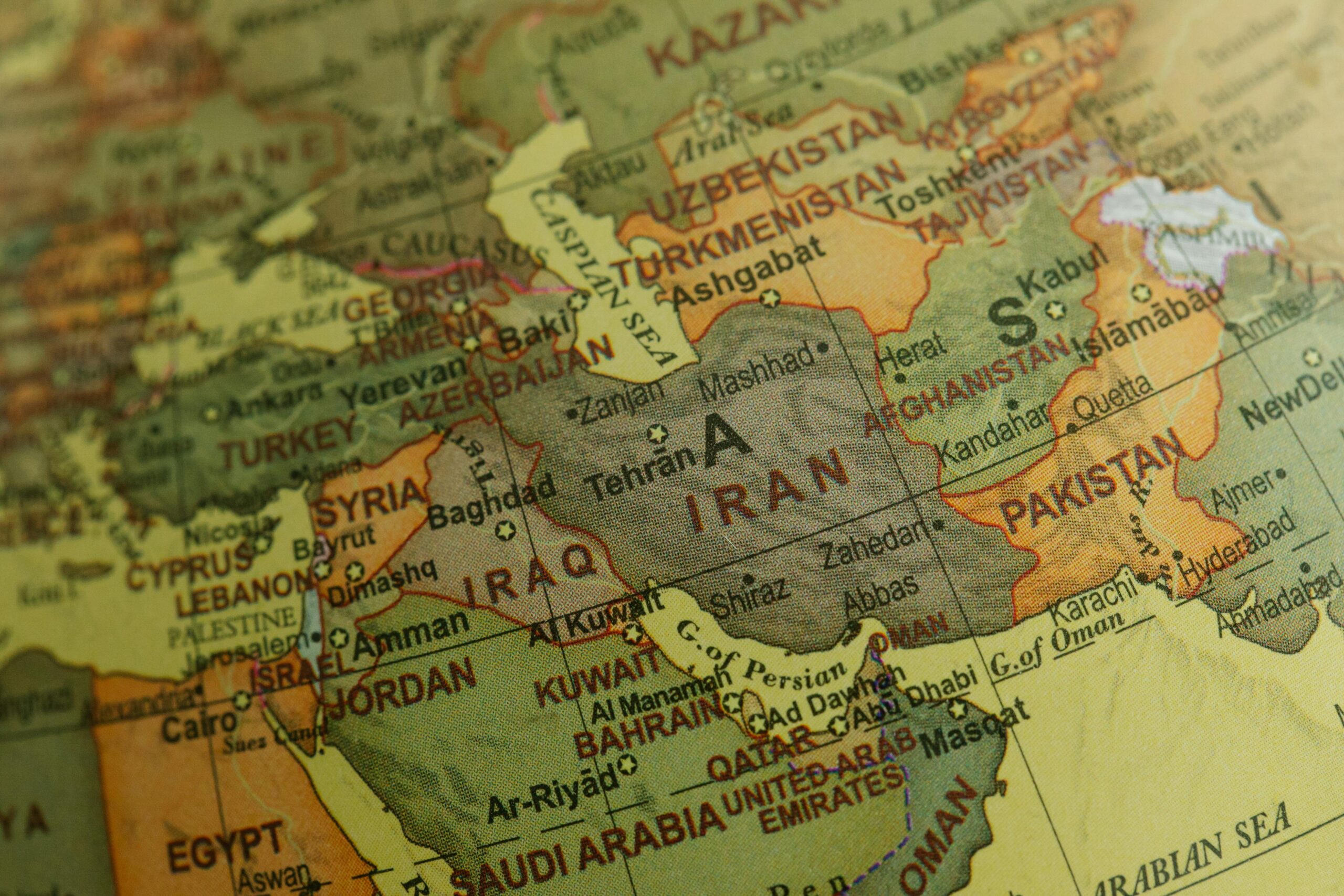
Executive Summary: The geopolitical landscape is currently defined by Rising Tensions involving three pivotal actors: the United States, Israel, and Iran. This sustained increase in strain among these nations represents a significant and evolving challenge to regional and global stability. While specific new events contributing to this escalation are not always immediately apparent, the underlying dynamics ensure a continuous state of heightened vigilance and strategic maneuvering.
Understanding the intricate web of relationships, historical grievances, and strategic imperatives that fuel this ongoing friction is paramount for policymakers, analysts, and the international community alike. The daily situation reports consistently highlight this trend, emphasizing that the trajectory of these relationships remains cautiously poised on the edge of further escalation, demanding a comprehensive and nuanced analysis of the forces at play.
The Geopolitical Crucible: Understanding the Current Climate
The Middle East has long been a region of complex power dynamics, but the current configuration of US, Israeli, and Iranian interactions presents a particularly potent mix of ideological clashes, security dilemmas, and proxy conflicts. Each nation perceives the actions of the others through a lens of national interest and existential threat, contributing to a self-reinforcing cycle of distrust and antagonism. This dynamic is not static; it is constantly influenced by internal political shifts, technological advancements, and the broader global context, making the observation of consistently Rising Tensions a critical indicator for future developments.
Historical Roots of Rising Tensions
To grasp the depth of the current situation, one must look back at the historical evolution of these relationships. The US-Iran relationship transformed dramatically after the 1979 Iranian Revolution, shifting from a strategic alliance to one characterized by deep animosity, sanctions, and ideological opposition. For Israel, Iran’s revolutionary ideology, its nuclear ambitions, and its support for regional proxies like Hezbollah and Hamas are perceived as direct existential threats, leading to a proactive security posture. The US-Israel alliance, while historically robust, sometimes faces internal stresses over the optimal strategy for managing the Iranian challenge, adding another layer of complexity to the overall Rising Tensions.
- US-Iran: A legacy of revolution, hostage crises, economic sanctions, and the withdrawal from the Joint Comprehensive Plan of Action (JCPOA) has cemented decades of mistrust.
- Israel-Iran: An undeclared shadow war involving cyberattacks, assassinations, and military strikes in neighboring countries defines this intense rivalry.
- US-Israel: A strategic partnership often united against common threats, yet occasionally divergent on tactical approaches to regional security.
Drivers of Escalation: Factors Fueling Rising Tensions
Several key factors consistently contribute to the upward trend in regional strain. These drivers are interconnected, with actions taken by one party often eliciting reactions that further exacerbate the situation. Without specific new events, the general observation of increasing strain points to the continued influence of these underlying dynamics.
Iran’s Nuclear Ambitions and Regional Proxies
Iran’s nuclear program remains a central point of contention. Despite international monitoring, concerns persist regarding the scope and intent of its enriched uranium production, particularly following the US withdrawal from the JCPOA. This fuels Israeli and US anxieties about Iran’s potential to develop nuclear weapons. Concurrently, Iran’s extensive network of regional proxies across Iraq, Syria, Lebanon, and Yemen allows it to project power and destabilize areas vital to US and Israeli interests. These proxy conflicts often serve as arenas for indirect confrontation, preventing direct military engagements but maintaining a constant state of low-level conflict that contributes significantly to Rising Tensions.
The International Atomic Energy Agency (IAEA) regularly reports on Iran’s nuclear activities, providing critical data that informs international diplomacy and security assessments. Monitoring these reports is crucial for understanding the technical aspects of the nuclear program and potential triggers for escalation. For more information, visit the IAEA website.
The US Role: Balancing Alliances and Containment
The United States plays a dual role in this dynamic: a steadfast ally to Israel and a principal adversary to Iran. US policy generally aims to contain Iranian influence, prevent its acquisition of nuclear weapons, and ensure regional stability. However, the methods to achieve these goals vary between administrations, oscillating between diplomatic engagement and stringent sanctions. The presence of US military forces in the region and its strategic alliances are often seen by Iran as provocative, while Israel views them as essential for its security. This delicate balancing act often finds itself caught in the crosscurrents of Rising Tensions.
Israel’s Security Imperatives Amidst Rising Tensions
For Israel, the threats emanating from Iran are existential. Iran’s stated aim to eliminate Israel, coupled with its nuclear program and the arming of groups like Hezbollah on Israel’s borders, necessitates a highly vigilant and often pre-emptive security posture. Israel has demonstrated a willingness to act unilaterally to counter perceived threats, as evidenced by its strikes against Iranian-linked targets in Syria. This proactive approach, while rooted in national security, often risks direct confrontation and further escalation, contributing to the overall climate of Rising Tensions.
The strategic analysis of these complex relationships is a continuous effort by various think tanks and international organizations. For in-depth reports on global security and foreign policy, the Council on Foreign Relations offers valuable resources.
Implications of Persistent Rising Tensions
The sustained increase in strain among these three actors carries profound implications for the Middle East and beyond:
- Regional Instability: The risk of miscalculation or accidental escalation into a broader conflict remains high. Small incidents could quickly spiral out of control.
- Economic Impact: Potential disruptions to oil supplies, shipping lanes, and global trade could have significant ripple effects on the world economy.
- Humanitarian Concerns: Any widespread conflict would inevitably lead to immense human suffering, displacement, and a severe humanitarian crisis.
- International Diplomacy Challenges: The intractable nature of these disputes often paralyzes international efforts towards de-escalation and peacebuilding.
The Looming Shadow of Rising Tensions
The persistent state of heightened alert and mutual suspicion means that any perceived provocation, no matter how minor, can rapidly escalate. This creates an environment where diplomatic solutions are harder to forge, and trust is almost non-existent. The continuous reporting of Rising Tensions is not merely an observation but a warning sign, indicating an underlying volatility that demands constant attention and strategic foresight.
Navigating a Volatile Future: Outlook and Strategic Considerations
The outlook for the US, Israel, and Iran triangle remains cautious. Without specific new developments that could dramatically alter the current trajectory, the expectation is that the pattern of Rising Tensions will continue to define regional dynamics. Future monitoring will need to focus on potential triggers, such as significant advancements in Iran’s nuclear program, major proxy attacks, or shifts in the domestic political landscapes of any of the three nations.
De-escalation efforts, whether overt diplomacy or back-channel communications, will be critical in preventing the situation from boiling over. The international community, while often divided, has a vested interest in promoting stability and finding pathways to mitigate the risks associated with this enduring geopolitical standoff. The ongoing challenge is to find common ground, or at least a modus vivendi, that can prevent the current state of heightened strain from morphing into open conflict.
Understanding these complex dynamics is crucial for anyone seeking to comprehend the future of global security. For more in-depth analyses and daily updates on critical geopolitical issues, we invite you to Explore The Vantage Reports.
Disclaimer: This report is based on general intelligence and analysis of publicly available information regarding the ongoing geopolitical situation. It does not contain specific, time-sensitive intelligence beyond the general observation of rising tensions.