

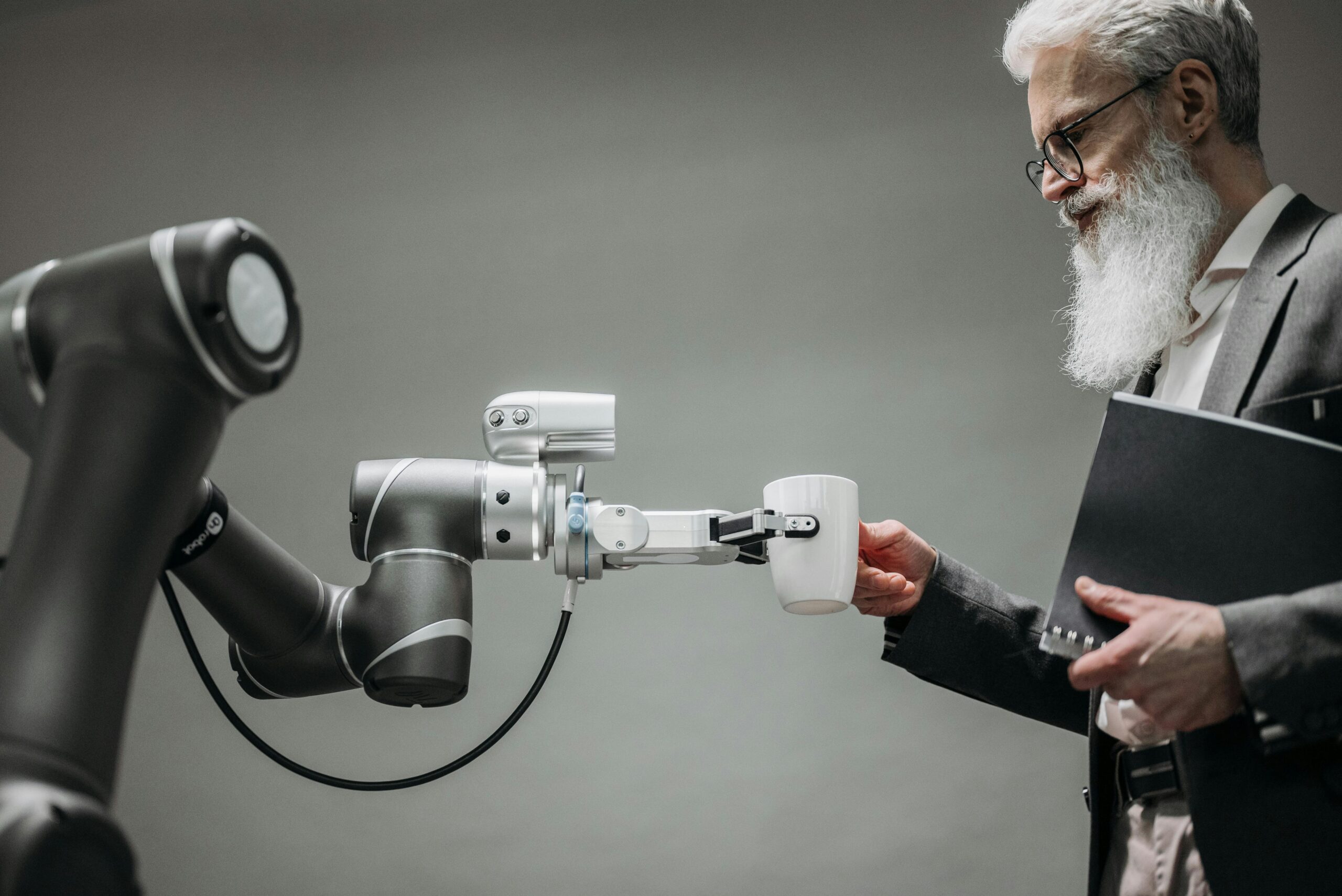
AI Performance Spaces are transforming the entrepreneurial landscape, ushering in a new era where physical environments are no longer static backdrops but dynamic, intelligent ecosystems designed to amplify human capabilities. Moving far beyond smart buildings, these hyper-adaptive environments leverage cutting-edge artificial intelligence and pervasive sensor networks to optimize individual and collective cognitive states and physical performance. This profound shift is not just about enhancing productivity; it’s about engineering human potential and, critically, monetizing the verifiable “performance yield” generated within these innovative settings. This report delves into the multi-faceted layers of this burgeoning industry, exploring how these spaces are redefining work, wellness, and wealth.
1. The Genesis of AI Performance Spaces: Hyper-Adaptive Environments
At the core of this revolution is the sophisticated integration of advanced AI with pervasive sensor arrays, creating environments that truly respond to occupants. Modern entrepreneurs are deploying systems far exceeding basic smart home functionalities, crafting living ecosystems that dynamically modulate to foster optimal human states.
Ubiquitous Biometric and Environmental Sensing captures real-time, granular data—from occupant biometrics (heart rate variability, gaze tracking) via wearables or passive sensors, to environmental conditions (air quality, light spectrum, soundscapes). This data forms the input for Predictive and Prescriptive AI, which analyzes streams to identify cognitive states (focus, stress) and proactively adjusts environmental configurations. This leads to Dynamic Environmental Orchestration, where lighting, soundscapes, temperature, airflow, and even scent diffusion fluidly modulate. The ultimate goal is Personalized Micro-Environments, deeply individualized spaces responding to unique biological rhythms and real-time needs, like a precisely optimized “flow state” office pod.
2. Engineering Human Potential: Optimizing Cognitive & Physical Performance
AI Performance Spaces meticulously engineer environments to optimize both mental acuity and physical prowess, pushing the boundaries of what individuals can achieve.
Cognitive State Optimization for Enhanced AI Performance Spaces
- Focus & Productivity: Environments detect waning attention, subtly adjusting lighting or sound frequencies to aid concentration, leading to verifiable increases in task completion.
- Creativity & Problem-Solving: Spaces are curated to foster divergent thinking with dynamic visual stimuli, open-ended soundscapes, and adaptable layouts.
- Stress Reduction & Recovery: Gentle environmental shifts, calming visuals, and therapeutic sound frequencies actively lower stress markers (e.g., cortisol, improved HRV), promoting mental clarity.
In Physical Performance Enhancement:
- Peak Performance & Endurance: AI-driven climate, targeted lighting, and motivational audio optimize training conditions, improving stamina and precision.
- Accelerated Recovery: Post-exertion spaces leverage light therapies, temperature modulations, and biometric feedback to reduce soreness and enhance tissue repair.
- Injury Prevention: Predictive analytics on movement patterns and fatigue provide real-time feedback, preventing overexertion and incorrect form.
3. The New Economy of Performance Yield: Monetization & Verification
The revolution’s disruptive monetization model shifts from traditional leases to an outcome-based economy, valuing tangible, verifiable results.
“Performance Yield” is the quantifiable improvement in human output or well-being directly attributable to the AI Performance Space. Metrics include increased productivity, accelerated learning, reduced stress (via HRV), improved physical metrics, or enhanced creative output—all empirically measurable.
Data-Driven Verification, using extensive sensor networks and AI analytics, provides robust, auditable data. Blockchain-based solutions ensure integrity, transparency, and secure aggregation of these metrics, allowing third-party verification and trustless contract execution. For insights on AI’s impact, explore the World Economic Forum on Artificial Intelligence.
Attribution Challenges remain crucial: isolating the environment’s specific impact from other variables. Advanced statistical models and A/B testing are critical to establish clear causal links and accurately quantify generated yield, ensuring industry credibility.
4. Disrupting Asset Ownership: Fractionalized, Outcome-Based Asset Classes
Performance monetization redefines asset ownership. Instead of physical real estate, investors engage in Fractionalized Ownership of Performance—owning “fractions” of the *performance yield* from intelligent environments. For example, a token representing 0.1% of collective productivity uplift across AI-optimized co-working spaces.
This enables Outcome-Based Investment Instruments, where returns tie directly to verified performance. “Cognitive Productivity Futures” could fund a facility for a percentage of users’ measured cognitive output increase. “Well-being Derivatives” tie to improvements in user stress markers.
Smart Contracts and Tokenization form the technological backbone. Blockchain-powered smart contracts automate asset distribution and payouts. Once verified performance metrics hit thresholds, returns disburse to token holders, ensuring transparency and reducing intermediaries. This creates a global, liquid market for “human performance as an asset.” Research from institutions like IEEE covers this convergence of AI and blockchain.
5. Experiential Service Evolution: Real-Time Experiential Service Contracts
The user-facing side transforms traditional service models towards dynamic, outcome-focused engagements. Users pay for guaranteed outcomes, not just access.
Pay-Per-Performance-Outcome manifests as “pay-per-focus-hour,” charged only if AI verifies sustained cognitive engagement, or “peak creativity sessions” with variable fees based on ideation output. This directly aligns incentives with results.
Dynamic, Personalized Pricing adapts in real-time based on individual biometric data, predicted performance uplift, demand, and external factors. A user might pay more for a “guaranteed deep work” session when their personal AI assistant predicts a highly productive window.
Subscription Models for Enhanced States offer continuous access to AI Performance Spaces, promising baseline improvements in well-being, cognitive function, or physical readiness over time, with performance guarantees. This fosters long-term engagement.
Seamless Integration with Personal AI is crucial. Spaces connect with users’ AI assistants and wearables, allowing continuous feedback, personalized presets, and automated scheduling to optimize individual goals, creating a symbiotic relationship.
Challenges and Future Outlook
Despite immense potential, these revolutionary environments face hurdles: data privacy and security, ethical implications of continuous biometric monitoring, and potential AI bias. Establishing robust, universally accepted “performance yield” metrics is complex. However, the capacity for AI Performance Spaces to unlock unprecedented human potential and create entirely new economic models is vast, positioning modern entrepreneurs at the forefront of a truly transformative industry.
For more in-depth analyses and reports on emerging technologies and their impact, you can Explore The Vantage Reports.