

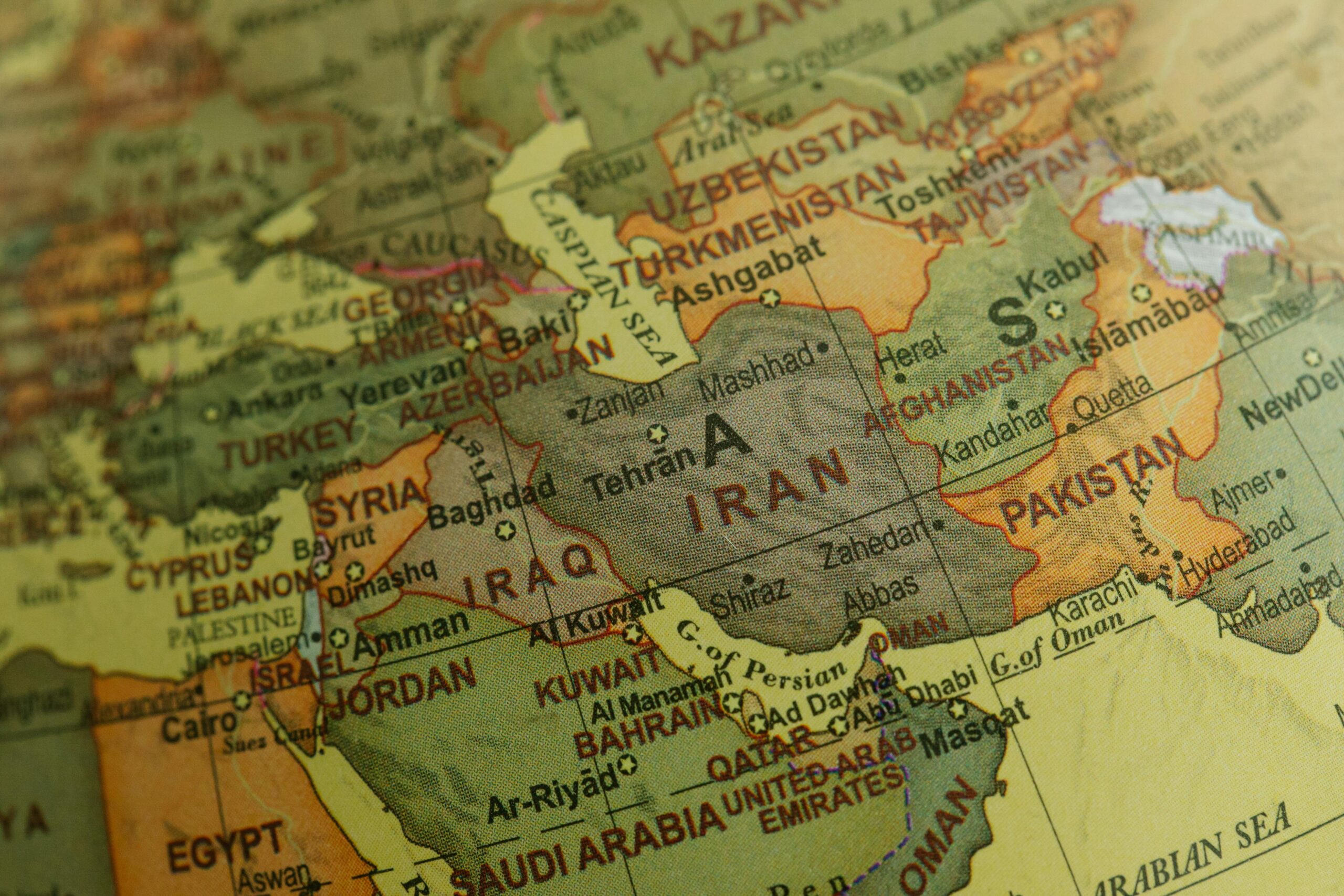
Executive Summary: This report provides 7 crucial insights into the escalating tensions between the United States, Israel, and Iran, a volatile geopolitical triangle posing significant challenges to global stability. The assessment highlights a persistent rise in friction, driven by historical antagonisms, Iran’s nuclear program, regional proxy warfare, economic sanctions, domestic political imperatives, and the constant risk of miscalculation. The interconnected nature of these relationships means actions by one party inevitably impact the others, creating a dangerous action-reaction cycle. The implications are severe, ranging from the risk of direct conflict and regional destabilization to global economic impact and the erosion of diplomatic efforts. Navigating this complex environment requires careful calibration, robust diplomatic engagement, and an understanding of the deep-seated drivers behind the sustained increase in friction.
The current geopolitical landscape is marked by escalating tensions among the United States, Israel, and Iran. This complex and volatile triangle represents one of the most significant challenges to global stability, with implications that extend far beyond the immediate region. Today’s assessment underscores a continued rise in friction, characterized by a general worsening of the security and diplomatic environment surrounding these key actors. While no specific new events or declarations were identified as immediate triggers for this particular report, the overarching trend points to a persistent and concerning increase in strained relations, demanding a thorough examination of its underlying causes, historical context, and potential future trajectories.
The Persistent Rise in Regional Friction
The relationship between the United States, Israel, and Iran has been fraught with challenges for decades, evolving into a multifaceted dynamic where the actions of one actor invariably impact the others. This intricate web of alliances and antagonisms creates an environment ripe for misunderstanding and miscalculation, leading to a consistent pattern of escalating tensions. The absence of a singular, dramatic event does not diminish the gravity of the situation; rather, it highlights a systemic issue where fundamental disagreements and strategic objectives are constantly clashing, fueling a slow but steady upward trajectory of instability.
Understanding this dynamic requires looking beyond daily headlines to the deeper currents of history, ideology, and strategic interests that shape the policies of Washington, Jerusalem, and Tehran. Each party perceives its actions as defensive or necessary for its national security, yet these very actions often contribute to the cycle of escalation. The challenge lies in identifying pathways to de-escalation or, at the very least, managing the inherent risks associated with escalating tensions to prevent them from spiraling into direct conflict.
Historical Roots of Escalating Tensions
To grasp the current state of affairs, it’s essential to trace the historical evolution of these relationships:
- US-Iran Dynamics: The 1979 Iranian Revolution fundamentally altered the US-Iran relationship, transforming a key Cold War ally into an ideological adversary. Decades of sanctions, proxy conflicts, and disputes over Iran’s nuclear program have cemented this adversarial stance. The withdrawal from the Joint Comprehensive Plan of Action (JCPOA) by the US in 2018 and subsequent “maximum pressure” campaign further exacerbated hostilities, leading to a tit-for-tat cycle of provocations and retaliations.
- Israel-Iran Dynamics: For Israel, Iran represents an existential threat, primarily due to its nuclear ambitions, its rhetoric questioning Israel’s legitimacy, and its extensive network of proxy forces (such as Hezbollah in Lebanon and various militias in Syria and Iraq) that encircle Israel. This perception has led to a shadow war characterized by cyberattacks, assassinations, and targeted strikes, all contributing to a dangerous regional arms race and a constant state of alert.
- US-Israel Relationship: Traditionally, the US-Israel alliance has been a cornerstone of American foreign policy in the Middle East. However, even this strong bond has experienced periods of friction, particularly concerning approaches to the Israeli-Palestinian conflict and, crucially, strategies for confronting Iran. While both nations share a common goal of preventing Iran from acquiring nuclear weapons, their preferred tactics and tolerance for risk can diverge, leading to internal tensions within the alliance itself.
These historical trajectories are not isolated; they are deeply intertwined. For instance, US policy towards Iran directly impacts Israel’s security calculus, and Israeli actions often necessitate responses or adjustments from the United States. This interconnectedness means that any shift in one bilateral relationship inevitably ripples through the entire trilateral dynamic, often leading to a general increase in suspicion and military posturing.
Understanding the Drivers of Escalating Tensions
Several key factors consistently drive the increase in friction:
- Iran’s Nuclear Program: Despite international efforts, concerns persist about Iran’s nuclear capabilities and intentions. Israel views a nuclear-armed Iran as an unacceptable threat, while the US aims to prevent proliferation and maintain regional stability. Iran, for its part, asserts its right to peaceful nuclear technology, viewing its program as a deterrent against external aggression. The ongoing negotiations and the state of the JCPOA remain a critical flashpoint.
- Regional Hegemony and Proxy Warfare: Iran’s strategy of projecting power through a network of non-state actors (often referred to as the “Axis of Resistance”) across Iraq, Syria, Lebanon, and Yemen is a major source of contention. These proxies challenge US influence, threaten Israeli security, and destabilize governments allied with Washington and Jerusalem. This asymmetric warfare allows Iran to exert influence without direct military confrontation, but it fuels a constant low-intensity conflict.
- Economic Sanctions and Their Impact: US-led sanctions have severely crippled Iran’s economy, aiming to compel a change in its behavior. While intended to pressure Tehran, they are also perceived by Iran as an act of economic warfare, hardening its resolve and often leading to retaliatory actions or increased uranium enrichment. The humanitarian impact of these sanctions also draws international scrutiny.
- Domestic Political Imperatives: Internal political dynamics in all three nations play a significant role. Leaders often adopt hardline stances to appeal to their domestic bases, which can limit diplomatic flexibility and contribute to the perception of unwavering resolve, even when de-escalation might be strategically beneficial.
- Miscalculation and Communication Gaps: In an environment of heightened alert, the potential for miscalculation is ever-present. Ambiguous signals, intelligence failures, or accidental encounters can quickly spiral out of control, especially when direct communication channels are limited or mistrusted.
- Arms Race and Military Buildup: The persistent threat perception drives all parties to invest heavily in military capabilities, including advanced weaponry, missile defense systems, and intelligence gathering. This arms race, while intended for deterrence, can paradoxically increase the likelihood of conflict by creating a hair-trigger environment.
- Cyber Warfare: The digital domain has become a new front for competition and conflict. Cyberattacks targeting critical infrastructure or military systems can inflict significant damage without direct military engagement, adding another layer of complexity and risk to the already volatile situation.
The Interconnected Nature of Conflict
The US-Israel-Iran dynamic is not a series of isolated bilateral relationships but rather a deeply interconnected system. An action taken by Israel against Iranian targets in Syria, for example, can provoke an Iranian response that might target US interests or personnel in Iraq, thereby drawing Washington into the fray. Similarly, US diplomatic overtures or sanctions relief towards Iran can cause apprehension in Israel, potentially prompting them to take more assertive unilateral actions.
This “action-reaction” cycle creates a feedback loop where each party’s security concerns are amplified by the perceived threats from the others. The lack of a clear, overarching framework for dialogue or de-escalation mechanisms means that the potential for escalating tensions to erupt into wider conflict remains high. Observers and policymakers alike frequently reference the “powder keg” metaphor, underscoring the extreme fragility of the regional security architecture.
For deeper analysis on regional security, visit the Council on Foreign Relations.
Implications and Future Outlook
The persistent rise in friction has profound implications:
- Risk of Direct Conflict: The most significant concern is the potential for an accidental or intentional trigger leading to direct military confrontation, which could quickly engulf the entire region and beyond.
- Regional Destabilization: Beyond direct conflict, the ongoing tensions exacerbate existing instabilities in countries like Iraq, Syria, Lebanon, and Yemen, where proxy conflicts continue to rage, causing immense humanitarian suffering and hindering development.
- Global Economic Impact: The Middle East is a vital hub for global energy supplies. Any major disruption, particularly involving the Strait of Hormuz, could send shockwaves through international oil markets, impacting global economies.
- Erosion of Diplomacy: The cycle of escalation makes diplomatic breakthroughs incredibly challenging, as trust is eroded and hardline positions become entrenched.
Navigating this complex environment requires careful calibration and a multi-pronged approach. While deterrence remains a critical component, there is also an urgent need for robust diplomatic efforts, even if indirect, to establish communication channels and explore potential off-ramps. The international community, including bodies like the International Crisis Group, continues to advocate for strategies to mitigate escalating tensions.
The future outlook for US-Israel-Iran dynamics remains highly uncertain. Scenarios range from continued low-level conflict and proxy warfare to a potential diplomatic breakthrough or, conversely, a full-scale regional confrontation. Much depends on the domestic political landscapes within each country, the strategic choices of their leaders, and the ability of international actors to facilitate de-escalation.
The world watches with bated breath as these three powerful actors continue to navigate a path fraught with danger. Understanding the nuances of their interactions and the drivers behind the constant state of Explore The Vantage Reports is paramount for anyone seeking to comprehend global security challenges.