

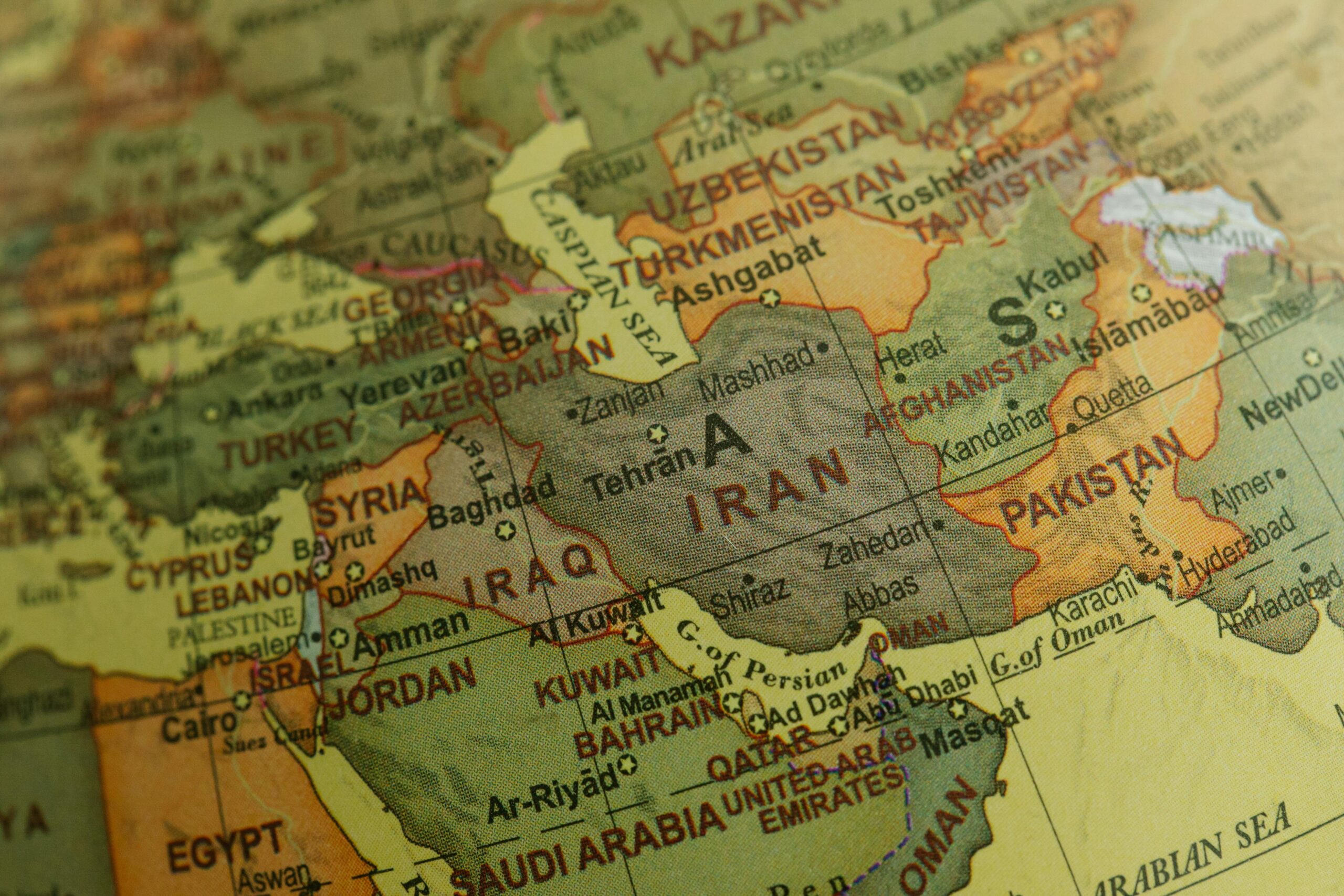
The geopolitical landscape of the Middle East is currently witnessing a significant and concerning trend: Mideast tensions rise among key regional and global players, particularly the United States, Israel, and Iran. This intricate and volatile dynamic is not merely a transient phenomenon but an escalating trajectory of strain in relations that demands meticulous analysis and understanding. While no specific new events have been detailed in recent intelligence reports, the overarching trend of increasing strain is undeniable, casting a long shadow over regional stability and global security. This report delves into the multifaceted aspects contributing to this persistent escalation, exploring the historical underpinnings, strategic imperatives, and potential ramifications of the heightened strain between these three pivotal nations.
Understanding the complexities of this escalating situation requires a deep dive into the historical context, the core drivers of conflict, and the distinct perspectives of each actor. From competing geopolitical interests to ideological divides and security dilemmas, the factors at play are numerous and interconnected. As the world watches with bated breath, the imperative to comprehend why Mideast tensions continue to rise and what implications this holds for the future has never been more critical. This analysis aims to provide a comprehensive overview, shedding light on the intricate web of relationships that define one of the world’s most sensitive regions.
The Historical Roots of Discord
The current state of heightened tension is deeply rooted in decades of complex history, marked by shifting alliances, revolutions, and geopolitical realignments. The United States has historically played a significant role in the Middle East, forging strong strategic alliances with countries like Israel, driven by shared security interests and democratic values. Concurrently, the 1979 Iranian Revolution fundamentally reshaped regional dynamics, transforming Iran from a Western-allied monarchy into an Islamic Republic with an anti-Western and anti-Israeli foreign policy. This revolutionary shift established an ideological chasm that continues to fuel animosity.
Israel, situated in a perpetually volatile neighborhood, views Iran’s nuclear ambitions, ballistic missile program, and support for regional proxies (such as Hezbollah in Lebanon and various militias in Syria and Iraq) as existential threats. The memory of past conflicts and the ongoing struggle for security profoundly influence Israeli policy. The US, while maintaining its commitment to Israel’s security, also grapples with broader regional stability concerns, including the free flow of oil, counter-terrorism efforts, and preventing nuclear proliferation. These divergent, yet often overlapping, interests create a crucible where Mideast tensions rise consistently, making any path to de-escalation arduous and fraught with challenges.
Understanding Why Mideast Tensions Rise
Several critical factors consistently contribute to the upward trend in regional strain. Among the foremost is Iran’s nuclear program. Despite international agreements and sanctions, concerns persist regarding Iran’s uranium enrichment capabilities and its potential to develop nuclear weapons. Israel views a nuclear-armed Iran as an unacceptable threat, while the US aims to prevent proliferation through diplomatic pressure and sanctions. Each advancement in Iran’s nuclear capabilities, or even perceived advancements, immediately causes Mideast tensions to rise.
Another significant driver is the proliferation of regional proxy conflicts. The battle for influence between Iran and its adversaries plays out in various theaters, including Syria, Yemen, Iraq, and Lebanon. Iran’s support for non-state actors often clashes with US and Israeli interests, leading to indirect confrontations and exacerbating existing instabilities. These proxy wars drain resources, destabilize governments, and create humanitarian crises, all while serving as constant flashpoints that can quickly escalate into broader conflicts. The strategic competition over regional hegemony, therefore, is a powerful engine behind the ongoing escalation.
Strategic Imperatives: US, Israel, and Iran
Each nation operates under distinct strategic imperatives that often collide. The United States seeks to maintain a balance of power, protect its economic interests (particularly energy security), combat terrorism, and uphold its commitments to allies. Its approach often involves a combination of diplomatic engagement, economic sanctions, and military deterrence. Different US administrations have varied in their tactics, but the core objectives remain largely consistent, aiming to prevent regional destabilization while navigating complex alliances.
Israel’s primary imperative is national security. Surrounded by historical adversaries and facing threats from state and non-state actors, Israel maintains a robust defense posture and a doctrine of pre-emptive action when it perceives imminent threats. Iran’s development of long-range missiles and its entrenchment in neighboring countries are particularly alarming to Jerusalem. The perceived need to counter Iranian influence and capabilities often dictates Israel’s regional actions, contributing significantly to the dynamic where Mideast tensions rise.
Iran, on the other hand, views its regional strategy as a defensive measure against external threats and a means to project its revolutionary ideology. Its ‘Axis of Resistance’ is designed to create strategic depth and deterrence against potential attacks, particularly from the US and Israel. Economic sanctions, perceived as acts of aggression, further solidify Iran’s resolve to strengthen its regional alliances and develop its indigenous military capabilities. This interplay of perceived threats and defensive strategies creates a self-reinforcing cycle of escalation.
Potential Flashpoints and Global Implications
The persistent escalation carries significant risks, with several potential flashpoints capable of igniting broader conflict. The Strait of Hormuz, a critical chokepoint for global oil shipments, remains a highly sensitive area where naval encounters and disputes over maritime security could quickly spiral out of control. Cyber warfare is another growing concern, with state-sponsored attacks capable of disrupting critical infrastructure and causing widespread chaos without direct military engagement. The constant threat of miscalculation, where an intended limited action leads to an unintended full-scale confrontation, looms large over the region.
The global implications of continued high Mideast tensions are profound. Energy markets are highly susceptible to instability in the region, with potential disruptions impacting global economies. Furthermore, any major conflict would likely trigger a massive humanitarian crisis, generating refugee flows and exacerbating existing vulnerabilities. The involvement of global powers also raises the specter of a wider international confrontation, making the de-escalation of these tensions a paramount concern for the entire international community. For more detailed analysis on Middle Eastern policy, you can refer to resources from the Council on Foreign Relations.
The Path Forward: Diplomacy and De-escalation
Despite the formidable challenges, pathways to de-escalation and long-term stability must be explored. Diplomatic engagement, even indirect, remains crucial. Open channels of communication, perhaps facilitated by neutral third parties, could help manage crises and prevent misunderstandings. Confidence-building measures, such as transparency regarding military exercises or nuclear activities, could also play a role in reducing mistrust. Economic incentives and disincentives, carefully calibrated, may also offer leverage for encouraging more constructive behavior.
However, any lasting solution requires addressing the core grievances and security concerns of all parties involved. This includes finding a durable resolution to Iran’s nuclear program, promoting regional security frameworks that include all stakeholders, and de-escalating proxy conflicts. The international community, led by organizations and nations committed to peace, has a vital role to play in facilitating dialogue and mediating disputes. Without sustained and concerted diplomatic efforts, the trajectory where Mideast tensions rise is likely to continue, with unpredictable and potentially catastrophic consequences.
For further insights into international security and regional dynamics, consider exploring reports from the International Crisis Group.
Conclusion: Navigating a Volatile Future
The intelligence reports confirm an undeniable reality: Mideast tensions rise, creating an increasingly precarious situation involving the United States, Israel, and Iran. This escalation is a complex tapestry woven from historical grievances, competing strategic interests, and ideological divides. The absence of specific new events in the immediate daily situation report only underscores the persistent, underlying strain that defines this critical geopolitical triangle. The potential for miscalculation and the far-reaching implications for global stability demand continuous vigilance and informed analysis.
As these tensions continue their upward trajectory, understanding the motivations, fears, and strategic calculations of each party becomes more vital than ever. The future of the Middle East, and indeed a significant portion of global security, hinges on the ability of international actors to navigate this volatility with prudence, foresight, and a renewed commitment to diplomatic solutions. The stakes are undeniably high, and the need for comprehensive and strategic engagement is paramount to avert further escalation. Explore The Vantage Reports for more in-depth analyses of global geopolitical trends: Explore The Vantage Reports.