

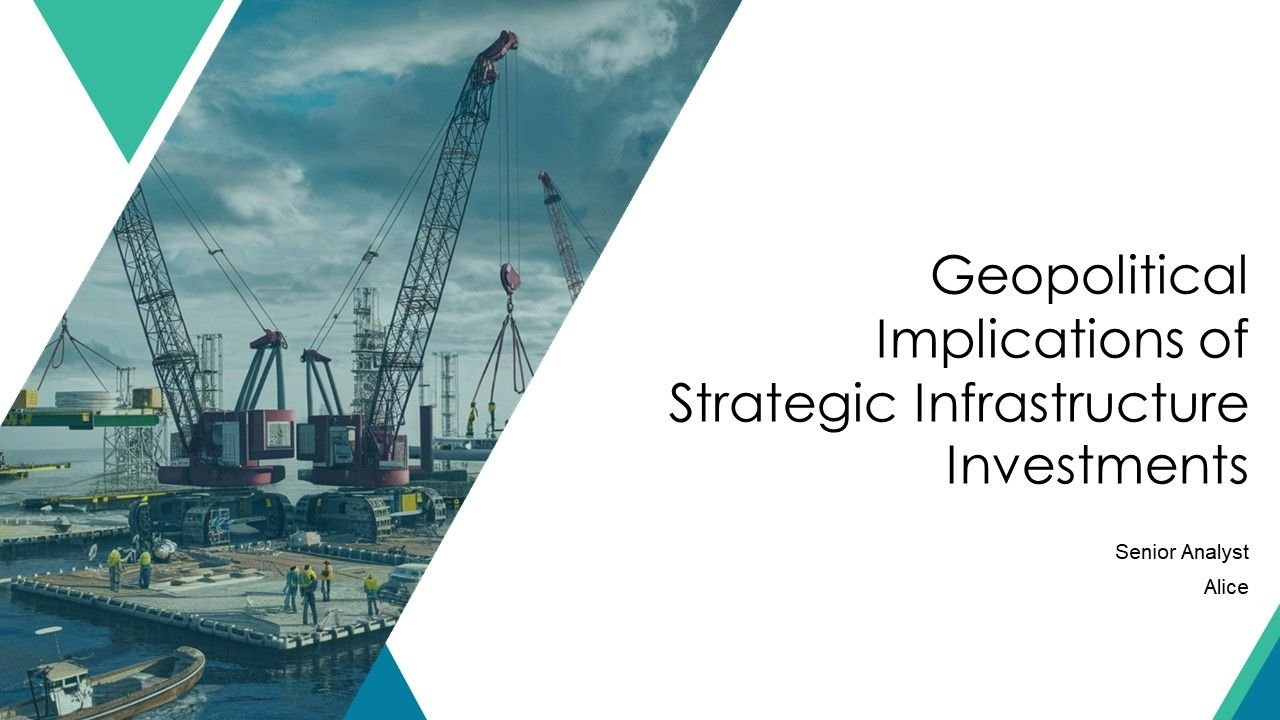
The global geopolitical landscape is shifting. Nations now face a continuous, multifaceted “Strategic Infrastructure War.” This paradigm elevates critical logistical arteries.
Energy pipelines, power grids, digital networks, and transportation hubs become primary battlegrounds. They are vital for economic sovereignty and strategic influence. States and their proxies engage in a dynamic, real-time contest.
This involves construction, sabotage, and rapid re-routing. It signals a profound transformation in how nations project power.
Securing national interests now depends on these foundational assets. This ongoing conflict demands constant vigilance. Understanding its dynamics is crucial for every nation.
Defining the New Front Line: Strategic Infrastructure War
Strategic Infrastructure War moves beyond traditional military engagements. It encompasses a persistent, low-grade, yet high-stakes conflict. This battle focuses on foundational assets. It is characterized by several key elements.
Key Characteristics of This Conflict
This war operates differently from conventional warfare. It involves continuous engagement. There are no defined start or end points. It manifests through tactical actions and counter-actions.
Hybrid tactics are common. These include overt and covert operations. Physical sabotage, cyber attacks, and economic coercion play roles. Rapid engineering solutions are also critical.
Infrastructure often has a dual-use nature. Assets built for civilian prosperity become strategic. They are vulnerable to attack, yet crucial for defense. Nations must adapt their security strategies accordingly.
Attribution is often difficult. Attacks leverage proxies. Plausible deniability is a common tactic. This complicates response efforts.
The physical development and protection of these assets are paramount. They are no longer mere engineering challenges. They are critical national security imperatives.
Nations now invest heavily in resilience and redundancy. They also explore offensive options to disrupt adversaries.
Arenas of Conflict: Where the Battle Unfolds
The battleground for Strategic Infrastructure War is diverse. It targets any artery vital for a nation’s functioning. It also impacts the projection of power. We observe conflicts across various sectors.
Energy Networks: Pipelines and Grids
Energy infrastructure faces constant threats. Sabotage incidents are stark reminders. The Nord Stream pipeline events in 2022 disrupted gas flows, impacting European energy security.
Similar global incidents weaponize energy supply. Consequently, nations diversify energy sources.
Construction and re-routing are strategic moves. The Baltic Pipe diversifies European gas, while Russia’s pivot to Asian gas routes exemplifies strategic re-routing.
Cyber attacks also pose significant risks. Ukraine’s power grid attacks (2015, 2016) disabled energy supply, causing widespread disruption and economic damage.
Digital Arteries: Cables and 5G
Digital networks are vital for global communications. Subsea internet cables are increasingly vulnerable, as damage to Red Sea cables in 2024 highlighted.
Naval assets now monitor and protect these critical arteries. Their security is a top priority.
The race to deploy 5G networks is strategic. Nations vie for technological leadership, seeking control over future digital arteries.
Concerns over vendor security, like Huawei, underscore these implications. Cyber espionage and disruption are persistent threats.
They target IT infrastructure, data centers, and telecommunication networks. This aims to gain intelligence or disrupt services.
Global Lifelines: Ports and Routes
Transportation hubs and routes are key targets. Naval blockades, like Houthi forces in the Red Sea, impact global trade, supply chains, and economic stability.
Attacks on commercial shipping demonstrate the weaponization of maritime routes. Global commerce consequently faces severe threats.
Infrastructure development is also strategic. China’s Belt and Road Initiative (BRI) builds global logistical arteries, enhancing economic influence and strategic reach.
Counter-initiatives, such as the G7’s PGII, reflect this competition. Sabotage targets bridges, railway lines, and port infrastructure, which can paralyze logistics and cripple economic activity.
Critical Utilities: Water Systems
Water and other critical utilities are also vulnerable. Attacks on dams or water treatment plants have devastating consequences.
Cyber attacks on water treatment plants, like Oldsmar, Florida (2021), show system vulnerabilities. Control over transboundary rivers is a growing point of contention, representing a strategic asset.
Driving Forces: Actors and Motivations
Several actors engage in Strategic Infrastructure War. Primarily, nation-states and their proxies are involved. These include paramilitary groups, cyber warfare units, and intelligence agencies. Non-state actors, often aligned with state interests, also play a role.
Their motivations are varied. Economic sovereignty is a key driver, as nations secure access to vital resources and guarantee trade routes.
They protect domestic industries and prevent economic coercion.
Strategic influence is another motivation. Actors project power, expand geopolitical reach, and establish dependencies. They also deny adversaries strategic advantage.
Deterrence is also crucial. Signaling capabilities deter aggression. Disruption causes instability, weakens adversaries, or creates leverage in negotiations.
The stakes are immense. Disruptions can trigger economic recessions, humanitarian crises, or even broader military conflicts.
The National Security Imperative
Strategic Infrastructure War directly impacts national security. Attacks on critical assets can cripple a nation, threatening economic stability and compromising defense capabilities.
Protecting these systems is a top priority for governments globally.
Nations invest heavily in intelligence gathering, developing robust defensive measures and preparing for rapid recovery.
This proactive approach safeguards citizens and national interests. Securing digital networks prevents espionage and protects sensitive government data.
It also maintains operational continuity for military and civilian services. This holistic defense strategy is essential.
For more insights into geopolitical risks, read our post on Geopolitical Risk Assessment.
Reshaping the Global Order
The rise of Strategic Infrastructure War fundamentally reshapes international relations and global security. Escalation pathways are now more complex.
Attacks on infrastructure, even non-lethal ones, can be considered acts of war. This lowers the threshold for broader conflict.
The lines between peacetime competition and wartime aggression blur. Global interconnectedness fosters efficiency, but also creates systemic vulnerabilities.
These vulnerabilities can be exploited. Consequently, nations must reassess their security doctrines.
New norms and governance frameworks are urgently needed. International treaties must address cyber warfare and protect shared infrastructure.
Nations must prioritize building resilient infrastructure. This ensures continuity of essential services during attacks.
The “Strategic Infrastructure War” represents a fundamental reorientation. Global competition now centers on critical logistical arteries.
Their physical development, protection, and disruption are central to national security doctrines. They shape economic policy and define the struggle for global influence.
This demands a comprehensive and adaptive response from both states and international bodies.
Stay ahead of evolving threats. Our “Critical Infrastructure Resilience Checklist” helps assess vulnerabilities and enhance protective measures. Download your copy today. Download Now!
Explore related topics in our article on Emerging Cybersecurity Threats. Learn about the economic impact of global events with our piece on Building Supply Chain Resilience.