

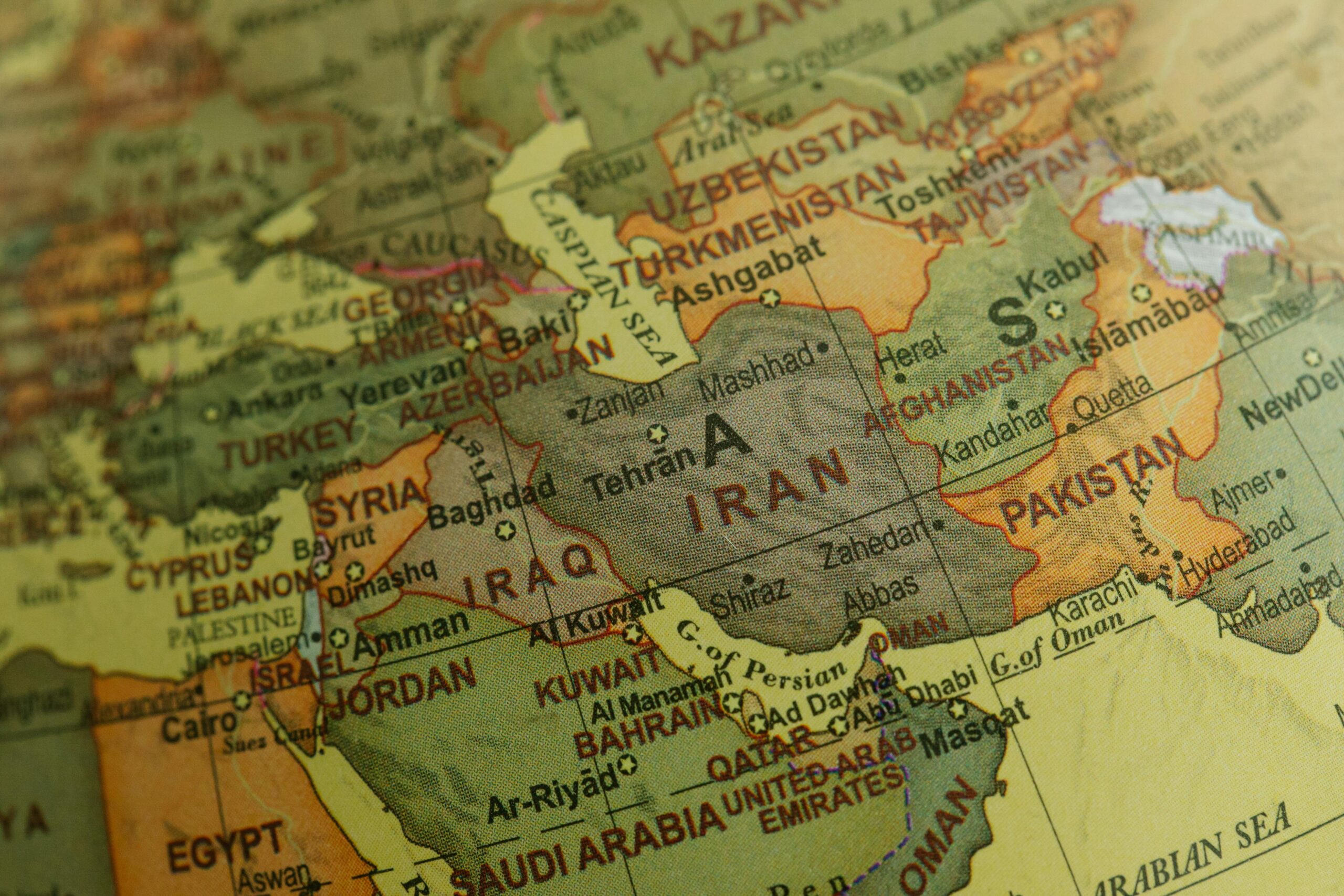
Executive Summary: This report analyzes Geopolitical Trade Disruption as a defining feature of the modern global economy, with a particular focus on the US-Iran conflict’s role in destabilizing worldwide trade. It details how this conflict directly impacts soaring oil prices due to Strait of Hormuz vulnerability, sanctions, and geopolitical risk premiums, and cripples global supply chains through maritime route disruptions and increased costs. The report further explores broader implications, including the exacerbation of international relations leading to bloc formation, increased risks of proxy warfare and escalation, the urgent need for supply chain resilience and diversification, accelerated energy transition driven by oil price volatility, and a global shift towards protectionist trade policies. The interconnectedness of these factors underscores a fundamental reshaping of the global economic landscape, demanding proactive understanding and adaptation to this pervasive volatility.
The intricate web of international relations currently faces unprecedented challenges, with Geopolitical Trade Disruption emerging as a defining feature of the modern global economy. This comprehensive report delves into the complex interplay of international relations, ongoing conflicts, critical supply chain vulnerabilities, fluctuating oil prices, and evolving global trade policies, dissecting how these factors converge to create a volatile and unpredictable landscape. Our deep-dive analysis particularly highlights the US-Iran conflict as a potent catalyst for widespread destabilization, fundamentally altering worldwide trade dynamics and economic forecasts.
The Macro Trend: US-Iran Conflict’s Impact on Global Trade and Economies
The assertion that “The greatest global disruption is the destabilization of worldwide trade and economies, directly triggered by the ongoing US-Iran conflict’s impact on soaring oil prices and crippled supply chains” holds significant weight. Rooted in decades of mistrust, regional power struggles, and nuclear ambitions, the US-Iran conflict manifests through a myriad of channels: sanctions, proxy conflicts, and direct threats to vital trade arteries. This persistent tension not only creates immediate economic ripples but also fundamentally reshapes long-term strategic planning for nations and corporations alike. The ripple effects are felt from the boardrooms of multinational corporations to the pockets of everyday consumers, illustrating the profound interconnectedness of global systems.
1. Impact on Soaring Oil Prices and Geopolitical Trade Disruption
The critical role of oil in the global economy means that any threat to its supply or stable pricing has immediate and far-reaching consequences. The US-Iran dynamic significantly influences this stability:
- Strait of Hormuz Vulnerability: Iran’s strategic position, commanding the Strait of Hormuz, a narrow chokepoint through which approximately 20% of the world’s total petroleum liquids pass, grants it immense leverage. Threats to disrupt shipping in this waterway, whether explicit or implicit, inject a substantial risk premium into global oil prices. Even the hint of a blockade can send futures soaring, reflecting the market’s sensitivity to potential supply shocks. The sheer volume of crude and refined products transiting this strait makes it an indispensable artery for global energy supply, making any threat to it a global economic concern.
- Sanctions and Supply Dynamics: US sanctions on Iranian oil exports effectively remove a substantial volume of crude from the market, tightening global supply. Any perceived weakening or strengthening of these sanctions, or attempts by Iran to circumvent them through illicit trade, directly influences market sentiment and price. The effectiveness and enforcement of these sanctions are constantly monitored by traders, as they directly impact the available global supply and the geopolitical calculus of major oil-consuming nations.
- Geopolitical Risk Premium: The persistent tension between the US and Iran creates an inherent geopolitical risk premium in crude oil futures. Traders price in the possibility of supply disruptions, escalating conflicts, or even direct military confrontation, leading to higher prices even without immediate physical disruption. This premium reflects the market’s assessment of future uncertainty and the potential for sudden, unforeseen events to impact supply.
- Economic Consequences: Soaring oil prices translate into higher energy costs across all sectors. This fuels inflation, reduces consumer purchasing power, and significantly increases operational costs for businesses across transportation, manufacturing, and agriculture. Consequently, central banks may be compelled to raise interest rates to curb inflation, potentially stifling economic growth and increasing the risk of recession, especially in energy-importing nations.
2. Impact on Crippled Supply Chains
Beyond the direct impact on oil, the US-Iran conflict, and broader regional instabilities it exacerbates, critically impair global supply chains:
- Maritime Route Disruptions: The broader Middle East, particularly the Red Sea and Gulf of Aden, has become a hotbed of conflict, exemplified by Houthi attacks on shipping. These disruptions force vessels to reroute around the Cape of Good Hope, adding weeks to transit times, significantly increasing fuel consumption, and driving up shipping costs and insurance premiums. The knock-on effect is a domino of delays, impacting everything from consumer goods to industrial components.
- Increased Costs and Delays: Longer routes, higher insurance premiums, and the potential for further escalation lead to increased costs for raw materials and finished goods. Delays in delivery disrupt production schedules globally, leading to stockouts, lost sales, and reduced efficiency across numerous industries, from automotive and electronics to pharmaceuticals and retail. Businesses face a difficult choice between absorbing higher costs or passing them on to consumers.
- Vulnerability of Globalized Systems: The US-Iran conflict starkly highlights the extreme fragility of highly optimized, just-in-time global supply chains. A single regional conflict can have cascading effects worldwide, exposing over-reliance on specific routes and manufacturing hubs and prompting a re-evaluation of globalization strategies.
- Sector-Specific Impacts: Industries reliant on specific components or raw materials from affected regions, or those with tight delivery schedules, are particularly vulnerable. Energy-intensive industries face a double whammy of higher fuel costs and supply chain delays, eroding profit margins and challenging operational continuity.
Broader Sector Analysis: Geopolitics & Conflict
The US-Iran dynamic is not an isolated event but rather a significant amplifier within the broader ‘Geopolitics & Conflict’ sector, illustrating the profound implications of Explore The Vantage Reports on global stability.
3. International Relations and Bloc Formation
The conflict exacerbates existing geopolitical fault lines, pushing nations to align with either the US or Iran (and its allies like Russia and China). This leads to a more fragmented international order, characterized by rival blocs and reduced multilateral cooperation. Diplomacy often struggles against assertive actions, creating a cycle of brinkmanship. Regional powers are drawn into the vortex, impacting their bilateral and multilateral relationships, while great power competition further complicates diplomatic solutions, as these powers vie for influence in the Middle East.
4. Wars & Conflicts: Proxy Warfare and Escalation Risks
The US-Iran rivalry fuels numerous proxy conflicts across the Middle East (e.g., Yemen, Syria, Iraq, Lebanon), destabilizing entire regions, generating refugee crises, and creating fertile ground for extremist groups. The constant threat of direct military confrontation, whether accidental or intentional, remains a critical concern, with any miscalculation capable of triggering a wider regional or even global conflict. This heightened tension also spurs increased defense spending globally, diverting resources and accelerating regional arms races.
5. Supply Chain Resilience and Diversification
The ongoing disruptions underscore the need for greater supply chain resilience. Companies are increasingly looking to diversify their supply chains away from single points of failure, exploring reshoring or nearshoring strategies to reduce reliance on distant and volatile regions. This trend, while costly, aims to build resilience against future shocks. The ‘just-in-time’ inventory model is being re-evaluated, with a shift towards ‘just-in-case’ strategies, holding larger buffer stocks to mitigate against unpredictable disruptions, albeit at higher warehousing costs. Investment in supply chain visibility tools, powered by AI and blockchain, is growing, enabling better tracking, risk assessment, and proactive management of potential disruptions.
6. Oil Prices: Energy Security and Transition
The volatility and high prices of fossil fuels from conflict-prone regions provide a strong impetus for accelerating the transition to renewable energy sources, aiming for greater energy independence and sustainability. Nations are prioritizing energy security, leading to strategic petroleum reserves, diversification of energy sources, and renewed focus on domestic production where feasible. The role of OPEC+ in managing global oil supply becomes even more critical, with their decisions on production quotas often influenced by their own geopolitical interests, further contributing to the complexity of Geopolitical Trade Disruption.
7. Global Trade Policies: Protectionism and De-risking
The era of free trade is increasingly challenged by protectionist measures, including tariffs, non-tariff barriers, and the formation of regional trade blocs aimed at securing national interests and reducing external dependencies. Sanctions, exemplified by those against Iran, have become a primary tool of geopolitical leverage, significantly impacting global trade flows and forcing companies to navigate complex compliance landscapes. Secondary sanctions can have far-reaching effects on third-party nations and businesses. Securing critical maritime and land trade routes has become a paramount concern, leading to increased naval presence and international cooperation (and sometimes competition) in strategic waterways. Nations and corporations are actively pursuing strategies to “de-risk” or even “decouple” from economies perceived as geopolitical adversaries, leading to a profound restructuring of global manufacturing and trade relationships.
Conclusion: The Cascade of Geopolitical Trade Disruption
The US-Iran conflict serves as a microcosm and amplifier of the broader ‘Geopolitics & Conflict’ sector’s destabilizing effects. Its direct impact on oil prices and supply chains reverberates through every aspect of the global economy, from inflation and interest rates to consumer spending and industrial production. This macro trend, combined with existing geopolitical tensions, is accelerating a fundamental reshaping of international relations, driving shifts in trade policies towards protectionism and resilience, and pushing the world towards a more fragmented, volatile, and potentially less prosperous future. The interconnectedness of these factors means that a resolution or escalation in one area will inevitably trigger a cascade of effects across the entire global system, making proactive understanding and adaptation to Geopolitical Trade Disruption more critical than ever.