

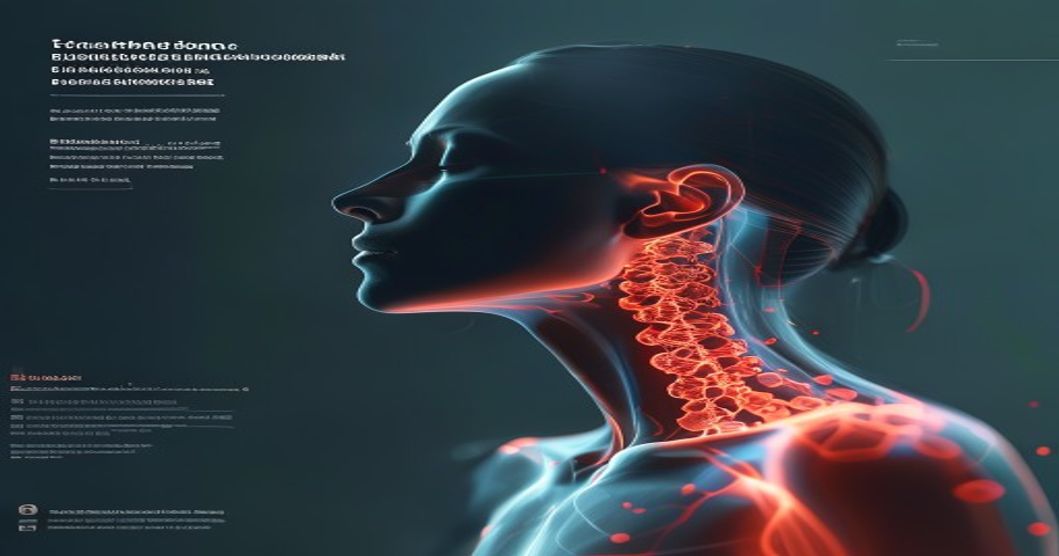
Chronic pain affects millions globally. This debilitating condition often involves central sensitization. This means neural signaling within the central nervous system (CNS) becomes amplified. Traditional physiotherapy addresses biomechanical issues. An emerging field explores its impact on cervical glymphatic function.
This report investigates how targeted physiotherapy enhances glymphatic efficiency. It aims to attenuate neuroinflammation. Furthermore, it clears pro-nociceptive metabolites. This fundamentally reprograms chronic pain pathways for lasting relief.
Understanding the Glymphatic System
The glymphatic system is the CNS’s dedicated waste clearance pathway. It acts like the body’s lymphatic system. Cerebrospinal fluid (CSF) enters brain tissue, moving along para-arterial spaces. Arterial pulsations facilitate this movement.
Within the brain, CSF exchanges with interstitial fluid (ISF). This drives the bulk flow of waste products. These include amyloid-beta, tau proteins, and inflammatory cytokines. Waste-laden ISF then exits along para-venous spaces, draining into cervical lymphatic vessels.
This system is most active during sleep, maintaining CNS homeostasis. Impaired glymphatic function leads to toxic protein accumulation. This contributes to neuroinflammation. Consequently, neuronal dysfunction and chronic pain worsen.
Neuroinflammation and Pain’s Cycle
Neuroinflammation drives chronic pain. Glial cells activate in the CNS. They release pro-inflammatory mediators. These include IL-1β and TNF-α.
Such mediators sensitize nociceptive neurons. This contributes to pain chronification.
Pro-nociceptive metabolites also accumulate. Substances like glutamate and substance P build up. Metabolic stress or impaired clearance causes this. These substances activate pain receptors, lowering pain thresholds.
Central sensitization (CS) amplifies pain signals. This occurs in the spinal cord and brain, causing allodynia and hyperalgesia. CS is a hallmark of many chronic pain conditions. Persistent neuroinflammation fuels this cycle.
Precision Physiotherapy Targets Cervical Glymphatic Function
Physiotherapy interventions profoundly influence glymphatic system efficiency. This is especially true for cervical spine treatments. They work through several connected mechanisms.
First, they optimize CSF dynamics. Pulsatile CSF flow drives glymphatic influx. Restricted cervical mobility can impede this.
Targeted cervical mobilization restores joint kinematics. It reduces muscle tension. This enhances CSF flow through glymphatic pathways.
Furthermore, physiotherapy modulates dural tension. The dura mater connects to the cervical spine. Restrictions here influence perivascular spaces. These spaces are conduits for glymphatic flow.
Interventions reduce dural tension. They improve connective tissue flexibility. This optimizes space geometry.
Consequently, venous and lymphatic drainage enhances. The glymphatic system drains into cervical lymphatic vessels. Improved cervical alignment aids this. Postural correction optimizes these downstream pathways, facilitating efficient waste egress.
Autonomic Nervous System (ANS) modulation also plays a role. Chronic pain often correlates with sympathetic overactivity. Sympathetic activation impairs glymphatic function.
Parasympathetic activity supports it. Physiotherapy can shift the ANS balance. This supports optimal glymphatic clearance.
Reprogramming Chronic Pain Pathways
Enhanced glymphatic clearance directly targets chronic pain. Physiotherapy reduces neuroinflammatory burden. It removes pro-inflammatory cytokines. This dampens glial cell activation and lowers central nociceptive neuron excitability.
Concurrently, pro-nociceptive metabolites clear faster. Excess glutamate and substance P remove from the CNS. This elevates pain thresholds and decreases persistent neuronal sensitization.
The combined effect directly attenuates central sensitization. Pain signal amplification reduces. Allodynia and hyperalgesia decrease. Overall pain perception lessens.
Over time, this fosters neuroplastic changes. Chronic pain pathways “reprogram.” Maladaptive pain processing shifts. This offers sustainable pain relief, moving beyond mere symptomatic management.
The Intersection: Daily Health and Glymphatic Wellness
Chronic pain profoundly impacts daily life. It affects work, relationships, and sleep quality. Targeting cervical glymphatic function offers a new path. Improved glymphatic clearance means better brain health, translating directly to reduced pain.
Better sleep and mental clarity often follow. Consequently, overall quality of life improves significantly. Prioritizing brain waste removal is crucial. It supports long-term neurological well-being and empowers individuals to reclaim their health.
Future Insights and Clinical Action
Research actively explores these connections. Advanced neuroimaging will validate these hypotheses. Animal models demonstrate promising results. They show the influence of head position on glymphatic flow.
Clinically, this understanding offers a novel mechanism. It explains the efficacy of manual therapy. It encourages physiotherapists to consider broader neurological impacts. Targeting cervical glymphatic function unlocks an endogenous pathway for neurobiological repair, offering profound, sustainable relief for chronic pain sufferers.
Download our “Quantum Readiness Checklist” today. It provides actionable insights for optimizing your well-being and brain health.
- Learn more about Understanding Neuroinflammation
- Discover The Science of Chronic Pain
- Explore Optimizing Sleep for Brain Health